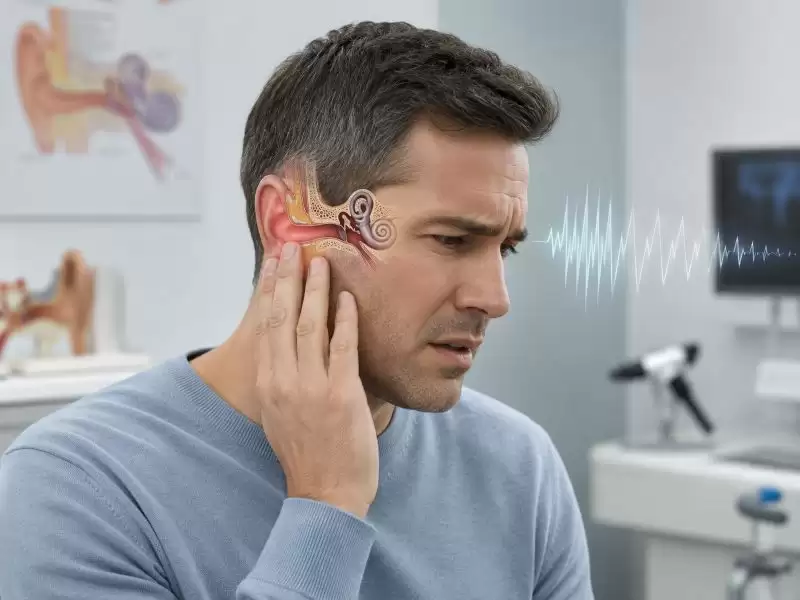


Prominent ears are a noticeable ear shape variation that can draw attention aesthetically and may lead to self-confidence issues in some individuals. This condition occurs when the ears protrude more than normal relative to the head and is most often associated with congenital anatomical structures or genetic factors. Today, this difference in ear structure can be evaluated with medical methods, and the angle between the ears and the head can be adjusted again within natural limits. The appearance of prominent ears is not only a physical feature; it can also have psychological effects on the individual.
What Are Prominent Ears?
The term “prominent ears” refers to a condition in which the ears appear more noticeably protruded outward and forward from the head than normal. Under ideal circumstances, the ear maintains a certain angle with the head and harmonizes with the head profile. When this angle increases, a structure may emerge that can cause discomfort in terms of aesthetic appearance and the person’s social life. A marked separation of the auricle (pinna) from the head creates the appearance described as prominent ears. Understanding the factors that lead to this condition helps the process be evaluated more consciously.
What Causes Prominent Ears?
Evaluations of the question “What causes prominent ears?” show that this condition is most commonly related to congenital anatomical features. For example, differences may be seen such as insufficient development of the fold called the “antihelix” or a prominent “conchal” cartilage in the inner part of the ear.
Genetic predisposition is an important factor; if family members have a similar ear appearance, the likelihood may increase.
During infancy, because cartilage tissue is softer, external factors may also affect the ear’s form. Trauma can likewise cause changes in ear symmetry or protrusion.
Can Prominent Ears Develop Later in Life?
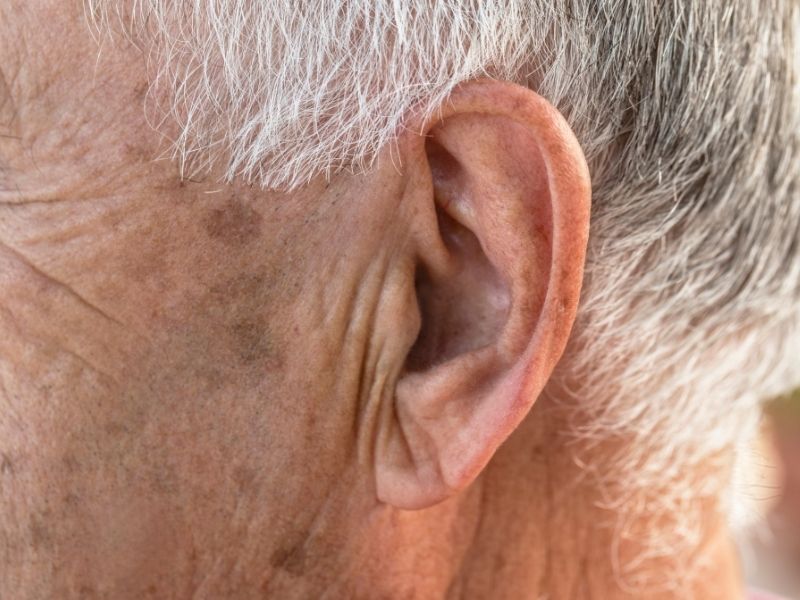
Although prominent ears are most often congenital, they may also develop later in some cases. Sleeping position during infancy or external pressure can affect the shape of the ear cartilage. After trauma, changes in the ear’s form may also occur. For this reason, if a change in ear structure is noticed, it is important to have it evaluated by a specialist.
Who Is Prominent Ear Surgery (Otoplasty) Suitable For?
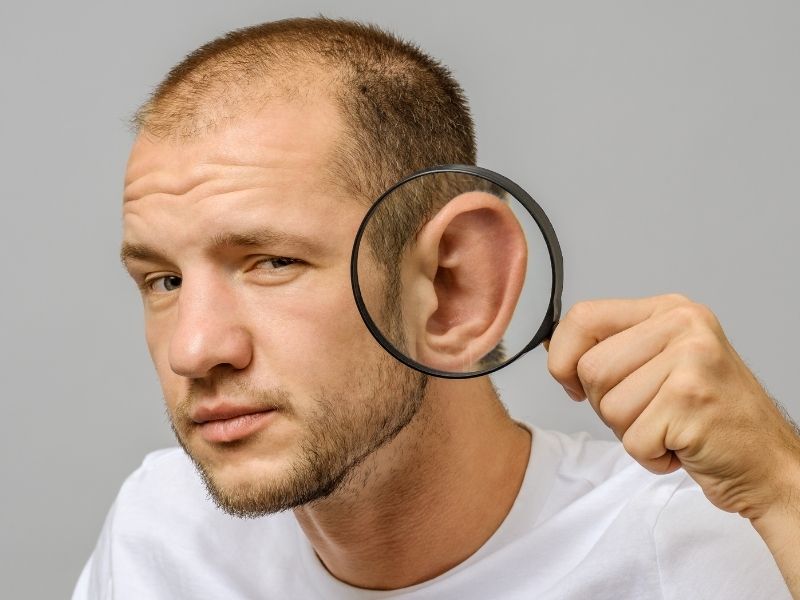
Otoplasty may be considered for children after the age of 5–6—when ear development is largely complete—as well as for adults. It can be performed in individuals who are bothered by the appearance of their ears, have aesthetic concerns, or are affected by the social/psychological impact of ear protrusion.
When assessing suitability for surgery, factors such as overall health status, accompanying medical conditions, and eligibility criteria for surgery are taken into account.
What Is Prominent Ear Surgery (Otoplasty)?
“Otoplasty,” commonly known as “prominent ear surgery,” is a surgical procedure aimed at reducing ear protrusion. In this procedure, the anatomical structures of the auricle are evaluated; techniques such as defining the antihelical fold, adjusting conchal size, or bringing the ear angle closer to the head may be performed. Surgical planning is individualized, with the goal of achieving a natural-looking ear structure.
What to Consider After Prominent Ear Surgery (Otoplasty)
The postoperative period after otoplasty is important for proper healing. In the first days, pressure on the head area should be avoided, the ears should be protected from impact, and the bandages or headgear recommended by the doctor should be used. Swelling and mild pain may occur; these usually decrease over time.
Wearing a headband at night, paying attention to sleeping position, quitting smoking if applicable, and avoiding blood-thinning medications may be recommended.
It may take a few months for the final ear position to become apparent, and follow-up visits are important during this period.
Yasal Uyarı:
Her cerrahi veya girişimsel işlemde sonuçlar kişiden kişiye değişiklik gösterebilir. İşlem öncesinde hekiminizden detaylı görüş almanız önerilir.