

What Causes Nosebleeds (Epistaxis)?
Nosebleeds, medically known as epistaxis, are a fairly common condition in the community. Although short-lasting nosebleeds that stop on the...
Functional Endoscopic Sinus Surgery (FESS) is an endoscopic surgical technique that may be used to evaluate chronic sinusitis and obstructions related to nasal–sinus anatomy when deemed necessary. It is performed by ENT (Ear, Nose and Throat) specialists using endoscopes placed inside the nose. During this procedure, no external incision is made; the surgery is carried out through the nasal passages under camera guidance.
FESS enables the surgical field to be assessed under a wide view with endoscopic imaging, and healthy tissues are preserved as much as possible during the procedure. Endoscopic sinus surgery is planned with the aim of providing functional and anatomical solutions tailored to the patient’s needs.
FESS is generally considered a surgical option for sinus diseases that do not respond to medical treatments, become chronic, or carry a risk of complications. In particular, the following conditions may be among the indications for FESS:
For the management of these conditions, detailed examination by an ENT specialist, endoscopic assessment, and planning with imaging methods such as CT–MRI are performed.
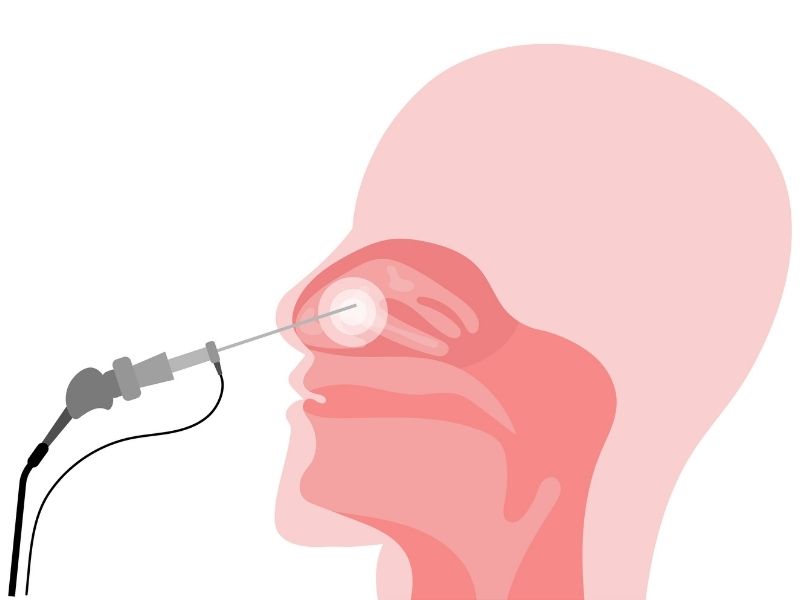
FESS is usually performed under general anesthesia. With a camera system placed inside the nose, the anatomical structure of the sinuses is visualized in detail. The goal is to adjust the sinus openings in a way that supports natural drainage and ventilation.
The surgeon aims to make the sinus area more functional by removing inflamed tissue, polyps, cystic structures, or anatomical narrowings that constrict the sinus pathways. In this way, structures that may cause infection and obstruction can be eliminated and management of the condition may become easier.
During FESS, no external incision is made; the procedure is performed through the nasal passages. This approach eliminates the need for an additional external cut and the recovery process may vary from person to person.

When Is Nosebleed Dangerous? Click to review.
Yasal Uyarı:
Her cerrahi veya girişimsel işlemde sonuçlar kişiden kişiye değişiklik gösterebilir. İşlem öncesinde hekiminizden detaylı görüş almanız önerilir.
Nosebleeds, medically known as epistaxis, are a fairly common condition in the community. Although short-lasting nosebleeds that stop on the...