

Nasal massage after rhinoplasty (rhinoplasty)
One of the most common recommendations patients hear during the recovery process after rhinoplasty is nasal massage. However, nasal massage ...
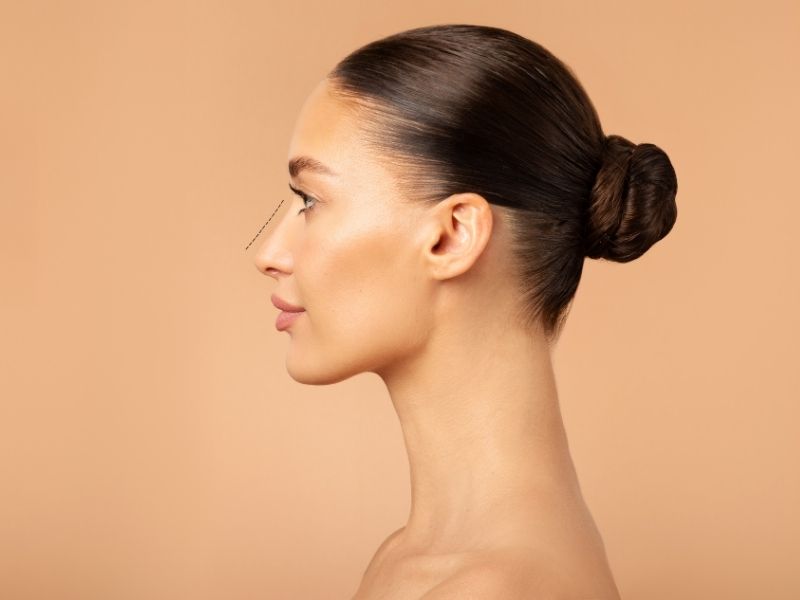
Rhinoplasty, also known as nose aesthetic surgery, is a procedure aimed at reshaping the nose for aesthetic purposes.
Rhinoplasty surgery is one of the most commonly performed surgical procedures both in Turkey and worldwide. One of the reasons for this is that the nose is a highly visible organ located at the center of the face. A change in the appearance of the nose can also affect a person's facial expression.
The concept of beauty has existed since the beginning of human existence and has a philosophical meaning. It comes from the Greek word "aesthesia," meaning feeling and perception. The term "cosmetic," derived from the Greek word "kosmos," meaning "decoration," is used in similar contexts. The term "aesthetic" was introduced in literature in 1750 as "the pursuit of beauty, the art of thinking about beauty."
Rhinoplasty, also known as nose aesthetic surgery, is a procedure aimed at reshaping the nose. It is one of the most commonly performed plastic surgery procedures both in Turkey and worldwide. The goal of rhinoplasty is to make changes to the nose while also contributing to the overall harmony of the face.
Since the nose is located in the center of the face, it plays an important role in appearance and social communication. Rhinoplasty may be preferred for aesthetic reasons or functional concerns. Along with nose aesthetics, functional issues such as breathing difficulties may also be corrected.
The planning of rhinoplasty surgeries should be done in line with the patient's needs and expectations. Therefore, the surgeon's evaluation is crucial for managing the process correctly.
Rhinoplasty surgery, depending on the nose structure, typically lasts between 2–4 hours and involves reshaping the bones and cartilage inside the nose. It is generally performed under general anesthesia.
The recovery process may vary depending on the patient's health condition and the scope of the surgery.
These changes can be addressed together based on the patient's needs, examination findings, and the surgeon's plan. Since each person's anatomical structure and expectations are different, the procedure is tailored to the individual.
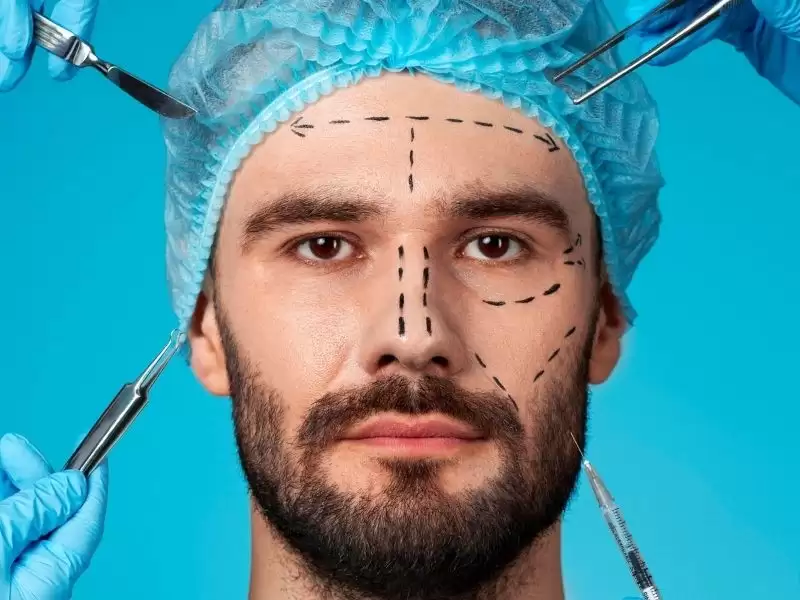
Open rhinoplasty surgery is performed with a small incision made in the columella, the area between the nostrils. This technique allows the surgeon to evaluate the nose structure with a wider view.
During the surgery, structural deviations or nasal internal tissues affecting respiration can also be evaluated in the same session.
The recovery process may vary from person to person, and the incision made during the open technique reduces its visibility over time.
The technique to be used in the nose will be decided by the surgeon's evaluation.
Closed rhinoplasty is performed without opening the nose, using only incisions inside the nostrils.
The incisions are not visible externally.
This technique may be preferred in cases where smaller reshaping is needed, as the working space inside the nose is more limited.
It may also be preferred by some patients due to the less swelling and shorter recovery time.
The answer to this question can vary from person to person.
The surgeon's evaluation, the patient's expectations, skin type, and nose anatomy are the main factors that determine the technique to be used.
The appropriate method is planned individually for the patient after the examination by the surgeon.
Bruising after rhinoplasty is usually at its most intense during the first few days. For most people, bruising significantly decreases within 7-10 days. Complete resolution may take 2-4 weeks. These times can vary from person to person and depend on the body's healing rate.
Yasal Uyarı:
Her cerrahi veya girişimsel işlemde sonuçlar kişiden kişiye değişiklik gösterebilir. İşlem öncesinde hekiminizden detaylı görüş almanız önerilir.
One of the most common recommendations patients hear during the recovery process after rhinoplasty is nasal massage. However, nasal massage ...
Rhinoplasty surgery, when planned correctly, provides more predictable results both aesthetically and functionally. The preoperative period ...