

Situations Where Revision Rhinoplasty Should Not Be Performed
Revision rhinoplasty is the second surgery performed to assess shape or functional issues that arise after the previous rhinoplasty....
Revision rhinoplasty is the second (or sometimes third) corrective surgery performed when the aesthetic appearance or breathing function after a previous rhinoplasty surgery is insufficient.
Since the recovery process, tissue responses, and anatomical limitations after the first rhinoplasty surgery can vary from person to person, it is not always predictable. Therefore, revision surgeries require more delicate, technically detailed, and personalized planning.
General goals of revision surgery:
Revision rhinoplasty is typically evaluated 9-12 months after the initial surgery, as it is expected that the nose tissues will settle during this period.
This operation requires a more detailed preparation process, especially for patients who have undergone multiple surgeries, due to changes in tissue structures. Therefore, the surgeon's evaluation of the process, as well as the patient's current nasal anatomy, skin thickness, and cartilage reserve, are important.
Due to the amount of cartilage used in the first surgery or changes in the tissues during the recovery period, nasal support may decrease. In this case, to create support:
The appropriate source is determined based on the patient's medical evaluation.
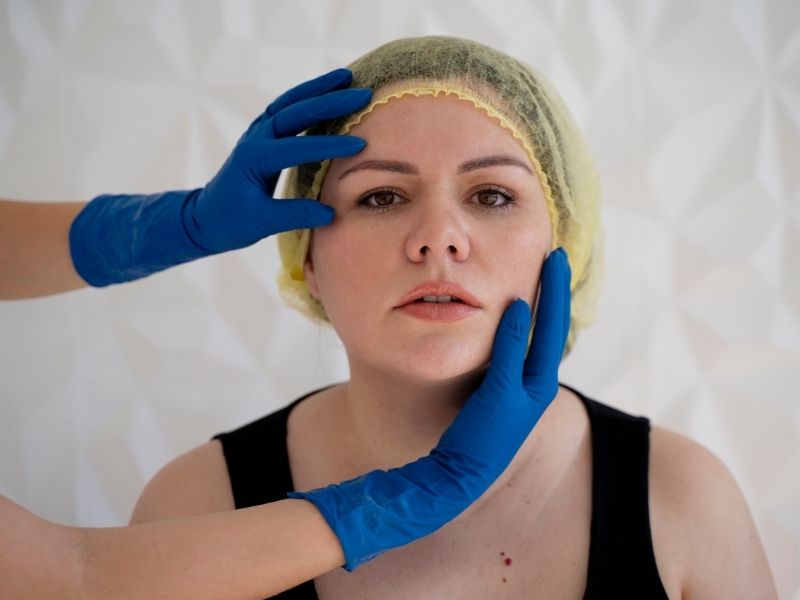
Revision rhinoplasty is considered more complex than primary rhinoplasty because:
Therefore, it is important that the operation is planned specifically for the individual.
It typically takes between 2–4 hours. The scope of the correction may alter this duration.
Revision rhinoplasty is typically considered at least 9 to 12 months after the initial surgery, once the tissues have healed.
Yasal Uyarı:
Her cerrahi veya girişimsel işlemde sonuçlar kişiden kişiye değişiklik gösterebilir. İşlem öncesinde hekiminizden detaylı görüş almanız önerilir.
Revision rhinoplasty is the second surgery performed to assess shape or functional issues that arise after the previous rhinoplasty....

In revision rhinoplasty procedures, rib cartilage harvested from the rib is one of the most commonly used methods to reconstruct the nasal s...