Botulinum Toxin
Botulinum Toxin is a protein obtained by purifying it in a laboratory from the Clostridium botulinum bacteria....
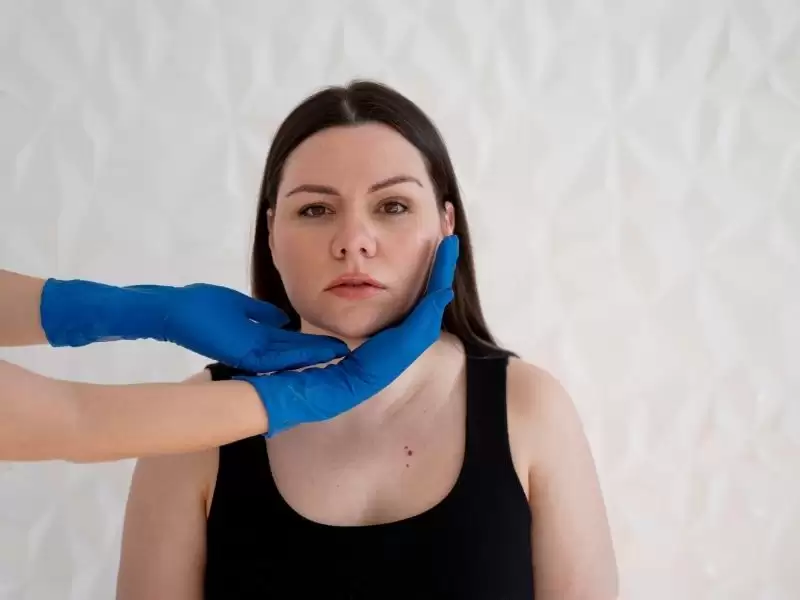
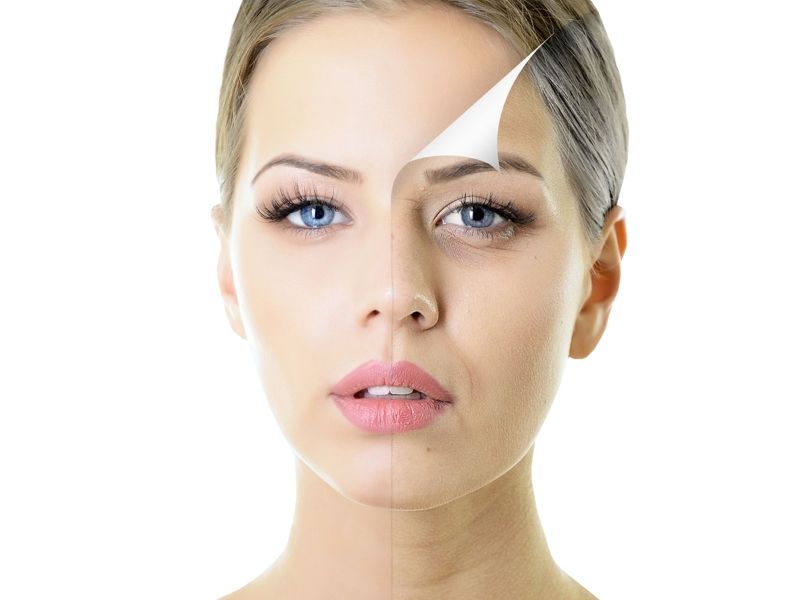
As we age, the skin may lose its elasticity, changes can occur in facial contours, and the signs of time may become more visible. Today, aesthetic treatments offer various methods aimed at helping the skin look healthier and more vibrant. Facelift applications provide information regarding loss of firmness and signs of aging in the skin, while non-surgical facelifts and skin rejuvenation techniques are among the options used without the need for surgery. At any age, it is important to determine an approach that is appropriate for the individual in order to support skin health.
A facelift is a type of procedure that addresses changes such as skin sagging and wrinkles that occur with signs of aging. A decrease in the skin’s elastic structure, the effect of gravity, and the slowing of collagen production with age may all influence this process. Facelift methods provide information about different techniques related to these changes.
There are various techniques ranging from surgical procedures to energy-based applications. Among current options, non-surgical methods draw particular attention. These methods may be preferred due to shorter recovery time, a faster return to daily life, and the aim of achieving a natural-looking result. The choice of treatment is evaluated according to the person’s facial structure, skin type, and age.
Non-surgical facelift methods are options applied without surgery and typically affect daily life for only a short period. Procedures are often brief, and individuals can usually return to social life quickly afterwards.
Energy-based treatments performed with devices (for example, HIFU or radiofrequency systems) aim to support the structure of the skin. Not requiring anesthesia during these procedures may also be a reason for preference for some individuals.
Non-surgical facelifts are often considered by people in their 30s who experience mild loss of elasticity. They are also researched by individuals with limited time or those who prefer to avoid surgery.
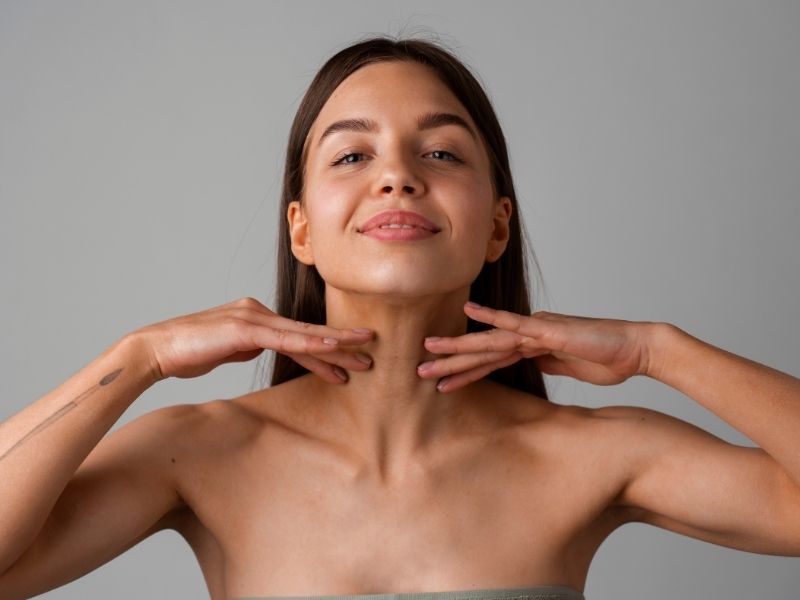
Facelift procedures can be approached using different techniques depending on the individual’s needs. Surgical methods, non-surgical solutions, and treatments performed with technological devices are evaluated within this scope.
This method is based on removing excess skin tissue and repositioning the facial muscles. It is a type of procedure used to address more pronounced sagging and wrinkles in older age groups. The recovery period may be longer compared to other techniques.
In this non-surgical technique, special threads placed under the skin are used to support the face. It may provide additional support by stimulating collagen production. It is known that results can be maintained for varying durations depending on the individual.
HIFU is a method that focuses ultrasound energy on the layers beneath the skin. It may create a tightening effect in various areas of the face. During the procedure, the skin surface is not damaged.
RF energy heats the tissues beneath the skin and may produce a tightening effect on collagen fibers. It can also be applied to sensitive areas such as around the eyes and the forehead.
Filler and botox applications are among the options aimed at supporting facial contours and reducing the appearance of expression-related lines. A visible difference may be noticed in a short time.
These procedures are generally considered by:
Suitability is determined by evaluating skin structure, scarring tendency, active infection status, and general health conditions. Expert advice should always be obtained during pregnancy, breastfeeding, and in certain skin conditions.
One of the most important goals in facial treatments is to preserve a person’s natural expressions. It is important that the method supports the overall facial appearance without disrupting facial movements. Procedures performed by qualified professionals contribute to more balanced and natural-looking results.
Aftercare is highly important for maintaining the achieved appearance. Supporting the skin’s renewal process, protecting it from the sun, and maintaining moisture balance may be beneficial.
General health recommendations such as adequate water intake and limiting smoking and alcohol consumption may also positively affect the appearance of the skin. Products recommended by the doctor should be used regularly, and irritating practices should be avoided.
Yasal Uyarı:
Her cerrahi veya girişimsel işlemde sonuçlar kişiden kişiye değişiklik gösterebilir. İşlem öncesinde hekiminizden detaylı görüş almanız önerilir.
Botulinum Toxin is a protein obtained by purifying it in a laboratory from the Clostridium botulinum bacteria....
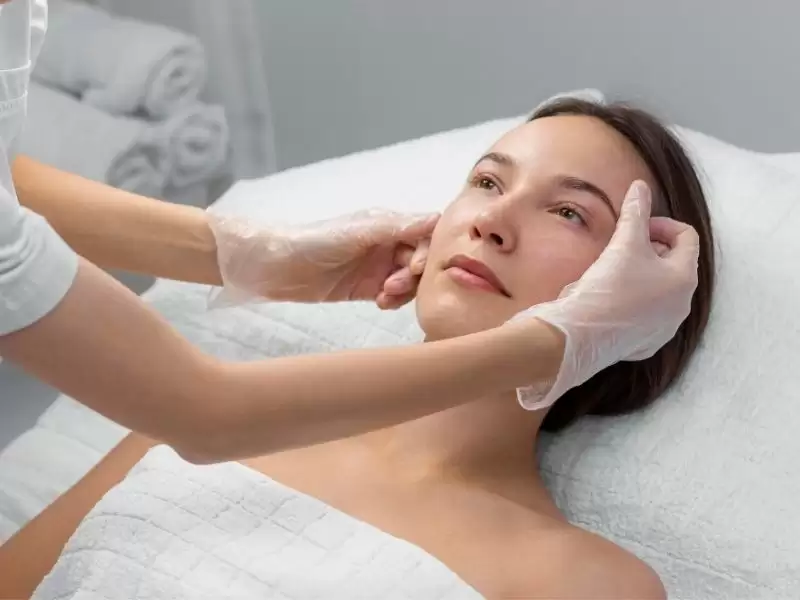
Non-surgical facelift is one of the medical aesthetic procedures aimed at reducing the appearance of skin sagging and looseness without the ...
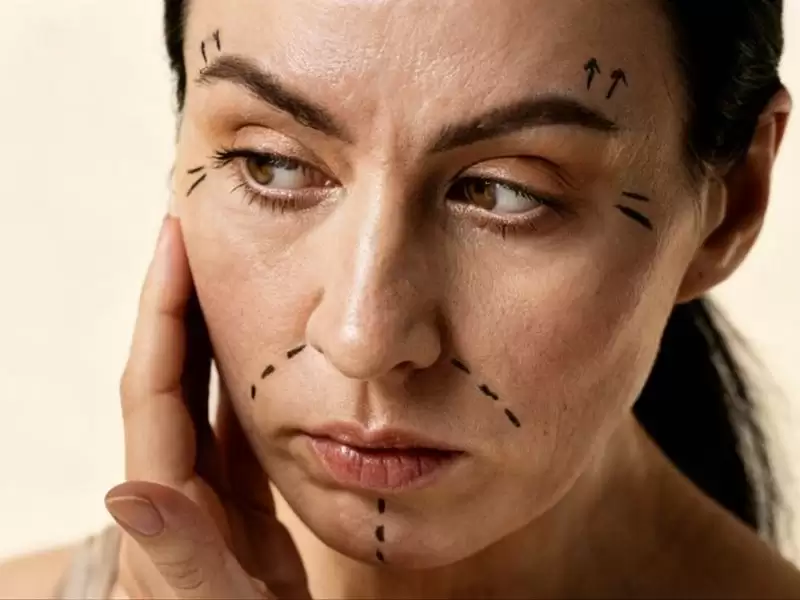
Combined facial aesthetic surgery is an approach based on the holistic evaluation of the changes that occur over time in different areas of ...