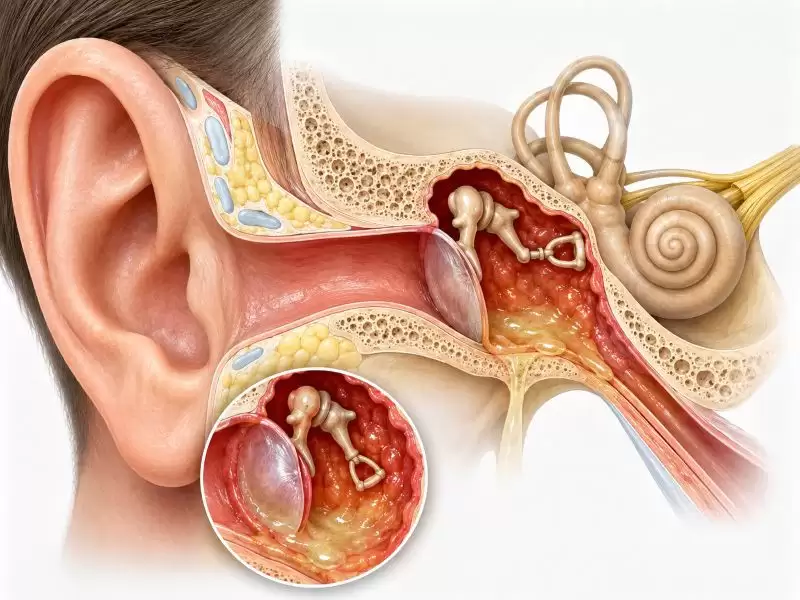


Mastoidectomy is a surgical procedure performed to treat infections and diseases affecting the mastoid bone, the bony structure located behind the ear. It is commonly preferred in conditions such as chronic otitis media (chronic middle ear infection) or cholesteatoma. This procedure is considered an approach aimed at controlling the spread of infection and protecting hearing health.
- What Is the Mastoid Bone?
- Why Is a Mastoidectomy Performed?
- What Are the Types of Mastoidectomy?
- 1. Simple Mastoidectomy
- 2. Radical Mastoidectomy
- 3. Modified Radical Mastoidectomy
- How Is Mastoidectomy Surgery Performed?
- Postoperative Process
- What Happens If Mastoidectomy Is Not Performed?
- Mastoidectomy and ENT Specialist Evaluation
What Is the Mastoid Bone?
The mastoid is a spongy bone located behind the ear and filled with air cells. It is connected to the middle ear, and infections can spread to the mastoid region. Because infections that extend to this area may lead to various complications, mastoidectomy may be considered necessary in some patients.
Why Is a Mastoidectomy Performed?
- Chronic otitis media (chronic middle ear infection)
- Cholesteatoma (accumulation of skin cells in the middle ear)
- Mastoiditis (inflammation of the mastoid bone)
- Recurrent or treatment-resistant ear infections
- Abscess formation behind the ear
- Risk of complications associated with facial nerve paralysis or meningitis
- Infections causing hearing loss and foul odor from the ear
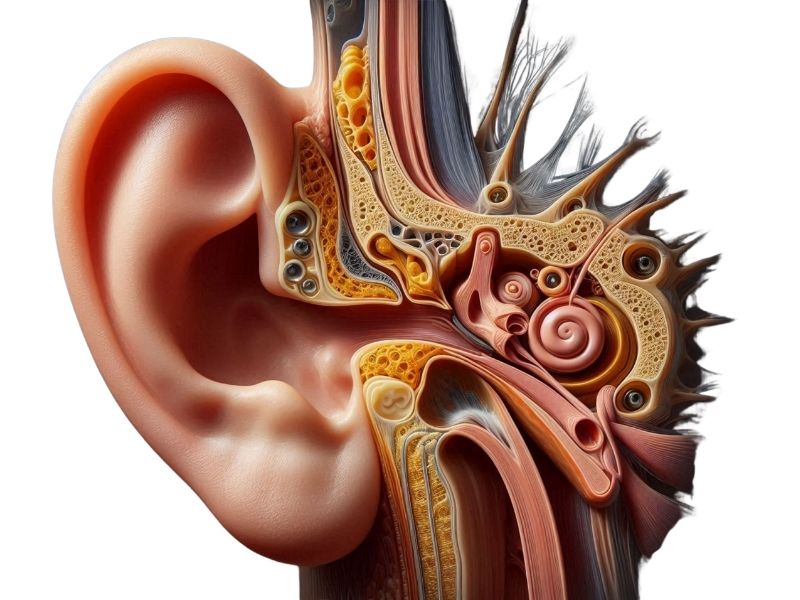
What Are the Types of Mastoidectomy?
1. Simple Mastoidectomy
Infected air cells are removed while preserving the structures of the middle ear.
2. Radical Mastoidectomy
Performed in cases where the disease is more widespread. Some of the middle ear structures may be removed.
3. Modified Radical Mastoidectomy
While diseased tissues are removed, the goal is to preserve the hearing structures as much as possible.

How Is Mastoidectomy Surgery Performed?
- It is performed under general anesthesia.
- A small incision is made behind the ear to access the mastoid bone.
- Infected air cells, cholesteatoma, and inflamed tissues are removed.
- If necessary, tympanoplasty (eardrum repair) may be performed in the same session.
- The surgery typically lasts 2–3 hours.
Postoperative Process
- Mild dizziness and a feeling of fullness in the ear may occur.
- Ear dressings may continue for several weeks.
- Hearing levels are monitored.
- Medication is prescribed to prevent recurrence of infection.
- Resting with the head elevated is recommended for the first few days.
What Happens If Mastoidectomy Is Not Performed?
The risk of the following complications may increase:
- Spread of infection to the meninges (risk of meningitis)
- Permanent hearing loss
- Facial nerve paralysis
- Persistent ear discharge and odor
- Intracranial complications
Therefore, in conditions such as cholesteatoma or recurrent chronic otitis, mastoidectomy may be considered a necessary treatment option based on specialist evaluation.
Mastoidectomy and ENT Specialist Evaluation
Through a detailed examination and imaging methods performed by an ENT specialist, the extent of the infection is assessed. In cases where medical treatment is not sufficient, surgical options may be considered.
For detailed information about eardrum repair, you can review the relevant page.
Yasal Uyarı:
Her cerrahi veya girişimsel işlemde sonuçlar kişiden kişiye değişiklik gösterebilir. İşlem öncesinde hekiminizden detaylı görüş almanız önerilir.