
UPPP (Uvulopalatopharyngoplasty) is a surgical procedure considered in cases where snoring—and in some patients obstructive sleep apnea (OSA)—is related to narrowing in the upper airway. During surgery, tissues in the uvula and soft palate region are typically reshaped to help increase the openness of the throat airway. However, because the cause of snoring can vary from person to person, UPPP is not suitable for every patient; a thorough examination and, when necessary, a sleep study are required for proper patient selection.
What Is UPPP Surgery?
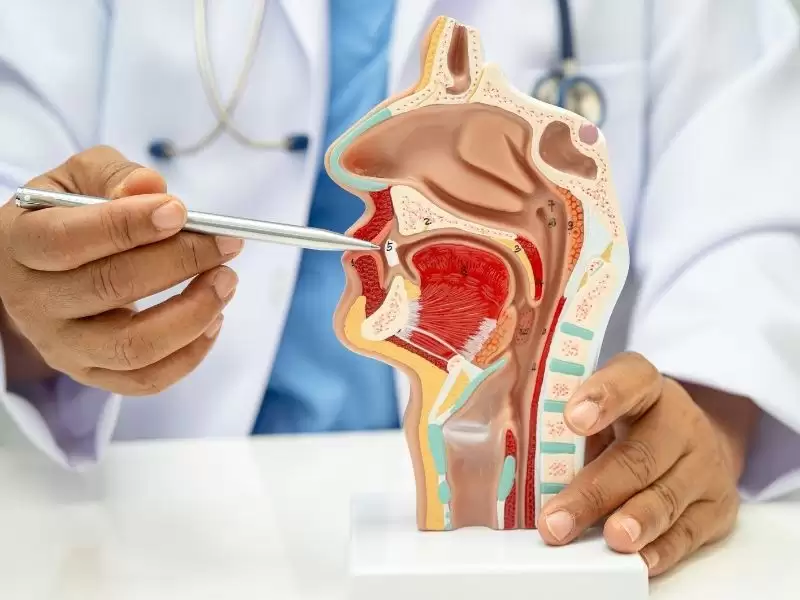
Although UPPP is commonly referred to as “snoring surgery,” it is technically a procedure targeting tissues that narrow the airway at the level of the throat (soft palate–uvula–tonsil area).
The goal is to reduce vibration and narrowing during sleep, helping decrease the severity of snoring and, in suitable patients, reduce apnea episodes.
What Causes Snoring?
Snoring is usually the sound of vibration caused by narrowing of the upper airway during sleep. The most common causes include:
- Soft palate sagging
- An elongated uvula
- Enlarged tonsils
- Nasal obstruction (deviated septum, turbinate enlargement, allergies, etc.)
- The tongue base falling backward
- Weight gain and increased neck circumference
- Alcohol, smoking, sleeping pills
For this reason, there is no single “snoring surgery” that fits every patient; an individualized evaluation is necessary.

Who Is UPPP Suitable For?
UPPP may be more suitable especially for patients who:
- Have snoring originating from the soft palate–uvula area
- Have enlarged tonsils (in some cases combined with tonsil surgery)
- Have airway narrowing at the oropharyngeal level in sleep apnea
- Cannot tolerate CPAP therapy in select cases (with appropriate criteria)
❗ To decide on UPPP, endoscopic examination, assessment of oral–throat anatomy, and polysomnography (sleep study) in many patients are important.
Does UPPP Completely Cure Sleep Apnea?
Sleep apnea can be multifactorial.
UPPP may help reduce the severity of apnea in some patients; however, if there are additional issues such as tongue base obstruction, laryngeal-level narrowing, or nasal blockage, it may not be sufficient on its own.
Therefore, the current approach is to identify the level(s) of obstruction and plan the most appropriate treatment accordingly.
Preoperative Evaluation
In the preoperative assessment for UPPP, your doctor will evaluate:
- History of snoring / apnea
- Sleep study (if needed)
- Nasal and throat endoscopy
- Tonsil size
- Tongue base and jaw–facial structure analysis
- BMI/weight assessment

How Is UPPP Surgery Performed?
UPPP surgery generally includes:
- restructuring of the soft palate tissue
- shortening/reshaping of the uvula
- removal of the tonsils if necessary
These steps may be performed.
Technical details vary depending on the patient’s anatomy. In some patients, additional procedures (such as nasal surgery) may be planned in the same session.
Recovery Process After UPPP
The most common experiences during recovery include:
- 1–2 weeks of sore throat
- Difficulty/sensitivity when swallowing
- Temporary changes in voice tone
- A temporary sensation of “nasal speech” (usually temporary)
- Temporary increase in snoring (due to swelling)
In the first days, liquid and soft foods are generally recommended. Medications prescribed by the doctor should be taken regularly.
Risks and Possible Side Effects
As with any surgical procedure, UPPP may involve risks:
- Bleeding
- Infection
- Prolonged sore throat
- Temporary swallowing problems
- Rarely, permanent voice change or a sensation of air escaping through the nose (velopharyngeal insufficiency)
- Lack of the desired effect / persistence of snoring
For this reason, an individualized examination is essential.
Can Snoring Continue After UPPP?
Yes, it can continue in some patients.
Because the source of snoring may be outside the throat (nasal obstruction, tongue base, weight, sleep position).
The best outcomes are achieved with proper patient selection and accurate anatomical targeting.
Yasal Uyarı:
Her cerrahi veya girişimsel işlemde sonuçlar kişiden kişiye değişiklik gösterebilir. İşlem öncesinde hekiminizden detaylı görüş almanız önerilir.