

What Is UPPP (Uvulopalatopharyngoplasty) Snoring Surgery?
UPPP (Uvulopalatopharyngoplasty) is a surgical procedure considered in cases where snoring—and in some patients obstructive sleep apnea (OSA...
Ear, Nose and Throat (ENT) diseases include many surgical procedures, and tonsillectomy and adenoidectomy are among the most frequently performed ones. These two procedures are commonly known as “tonsil and adenoid surgery.” Medically referred to as tonsillectomy and adenoidectomy, these operations may be considered especially in children during evaluations related to breathing and infection problems. In this article, we will discuss in detail why these procedures are performed, in which cases they may be necessary, and what to expect afterward.
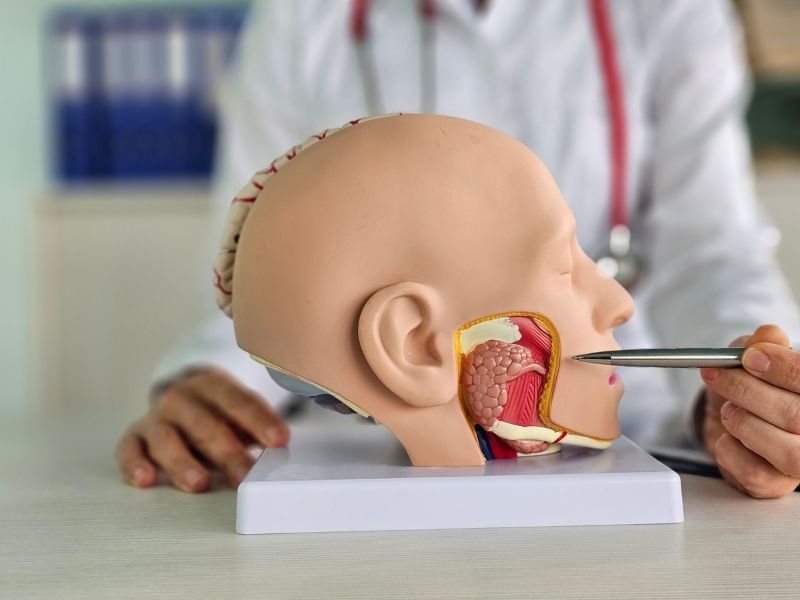
Tonsils are lymphoid tissues located on both sides of the oral cavity. They are part of the immune system.
The adenoid, also known as adenoid tissue, is another lymphoid tissue located behind the nose in the nasopharyngeal area. Like the tonsils, it plays a protective role against infections during childhood. However, it is expected to shrink over time and its function gradually decreases.
Tonsillectomy (tonsil surgery) and adenoidectomy (adenoid surgery) are often performed together by ENT specialists, and the following conditions are among the main indications:
1. Recurrent Tonsil Infections:
2. Peritonsillar Abscess:
Collection of pus around the tonsil is often recurrent and may be an indication for urgent tonsillectomy.
3. Obstructive Sleep Apnea (OSA):
Excessive enlargement of the tonsils may block the airway and cause breathing pauses during sleep. This is one of the most common surgical indications in children.

4. Difficulty Swallowing and Nutritional Problems:
Tonsils may be large enough to interfere with eating and swallowing.
5. Suspicious Masses Suggestive of Malignancy:
Asymmetry in the tonsils, unilateral enlargement, or the presence of suspicious lesions.
1. Nasal Congestion and Sleeping with the Mouth Open:
Impaired nasal breathing due to enlargement of the adenoid tissue and persistent mouth breathing.
2. Obstructive Sleep Apnea Syndrome:
Breathing pauses during sleep, restless sleep, night sweats, and snoring.
3. Recurrent Middle Ear Infections and Serous Otitis:
Ear problems caused by the adenoid tissue blocking the Eustachian tube.
4. Impaired Facial and Jaw Development:
Long-term mouth breathing may lead to a characteristic facial appearance in children known as “adenoid facies.”
5. Loss of Smell and Taste, Chronic Sinusitis:
Impaired sinus drainage due to obstruction caused by the adenoid tissue.
Tonsillectomy and adenoidectomy procedures are generally performed under general anesthesia and take approximately 30–45 minutes.
Patients are usually discharged on the same day.
The recovery process is usually completed within 7–10 days. During this period, a soft diet, plenty of fluid intake, and the use of pain relievers may be recommended.
Careful follow-up is required in terms of infection risk and rare complications such as bleeding.
Tonsillectomy and adenoidectomy are surgical methods that may be considered in suitable patients. These surgeries should be decided after a detailed evaluation by an ENT specialist. Rather than making a general statement that they significantly improve quality of life in children and, in some cases, adults, process-related evaluations should be handled as varying according to the individual situation. If your child frequently has tonsillitis, snores at night, or has persistent nasal congestion, evaluation of the tonsil and adenoid tissues by a specialist may be considered.
Adenoid surgery in children may be considered when the adenoid significantly blocks airflow behind the nose. Children with adenoid enlargement may experience nasal congestion, sleeping with the mouth open, snoring, restless sleep at night, and waking up tired in the morning.
The adenoid does not only affect nasal breathing. In some children, it may also lead to middle ear problems. Recurrent middle ear infections, fluid accumulation in the middle ear, and temporary hearing reduction may be associated with adenoid enlargement. Therefore, when adenoid surgery is evaluated in children, nasal breathing, sleep pattern, and ear health are considered together.
Long-term mouth breathing may also affect facial and jaw development in children. In cases such as constantly sleeping with the mouth open, snoring, difficulty breathing through the nose, and frequent ear infections, an ENT evaluation for adenoid enlargement is important.
Tonsil surgery, medically known as tonsillectomy, may be considered when the tonsils are frequently infected or enlarged enough to make breathing difficult. Not every tonsil enlargement requires surgery. The decision for surgery is made by evaluating the frequency of infections, the size of the tonsils, their effect on breathing during sleep, and the patient’s overall condition together.
Frequently recurring tonsil infections, increased need for antibiotics, development of an abscess around the tonsils, difficulty swallowing, and nutritional problems may be among the important reasons for tonsil surgery.
In children, excessively enlarged tonsils may cause nighttime snoring, sleeping with the mouth open, and breathing problems such as pauses in breathing during sleep. In this case, tonsil surgery may be considered not only due to infection but also due to conditions affecting sleep and breathing patterns.

Tonsil and adenoid surgery may be performed in the same session in some patients. Especially in children, if both tonsil enlargement and adenoid enlargement cause breathing problems together, tonsillectomy and adenoidectomy may be planned together.
However, both procedures do not need to be performed together in every patient. In some children, adenoid surgery alone may be sufficient, while in some patients, tonsil surgery may also be considered necessary. This decision is made by an ENT specialist according to the examination findings and the patient’s complaints.
Frequent tonsillitis in children, persistent nasal congestion, nighttime snoring, sleeping with the mouth open, restless sleep, and recurrent ear infections are among the symptoms that should be taken into consideration. In some children, loss of appetite, difficulty swallowing, bad breath, daytime fatigue, and attention problems may also occur.
These symptoms alone do not mean that surgery is required. However, if the complaints recur frequently or affect the child’s sleep pattern or daily life, the tonsil and adenoid structures should be evaluated.

The decision for tonsil and adenoid surgery is made by evaluating the child’s complaints together with an ENT examination. During the examination, the size of the tonsils, the effect of the adenoid behind the nose, ear findings, and breathing complaints are assessed.
When necessary, endoscopic evaluation, hearing tests, or additional examinations may be performed. Information obtained from the family is also important in this process. Whether the child snores at night, sleeps with the mouth open, frequently has infections, or experiences ear problems is taken into consideration during the evaluation.
Tonsillectomy and adenoidectomy are surgical procedures that may be considered in suitable patients. However, tonsil surgery and adenoid surgery are not planned in the same way for every child. The process should be handled individually according to the child’s current complaints and examination findings.
Adenoid enlargement is one of the important causes that may affect the sleep pattern in children. When the airway behind the nose becomes narrowed, the child may not be able to breathe comfortably throughout the night. This may lead to sleeping with the mouth open, snoring, frequent waking, and restless sleep.
Impaired sleep quality is not limited to nighttime. Some children may wake up tired in the morning and experience attention problems, restlessness, and affected school performance during the day. Therefore, in children who constantly snore, sleep with their mouth open, or have difficulty breathing during sleep, evaluation of the adenoid and tonsil structures is important.
Yasal Uyarı:
Her cerrahi veya girişimsel işlemde sonuçlar kişiden kişiye değişiklik gösterebilir. İşlem öncesinde hekiminizden detaylı görüş almanız önerilir.
UPPP (Uvulopalatopharyngoplasty) is a surgical procedure considered in cases where snoring—and in some patients obstructive sleep apnea (OSA...
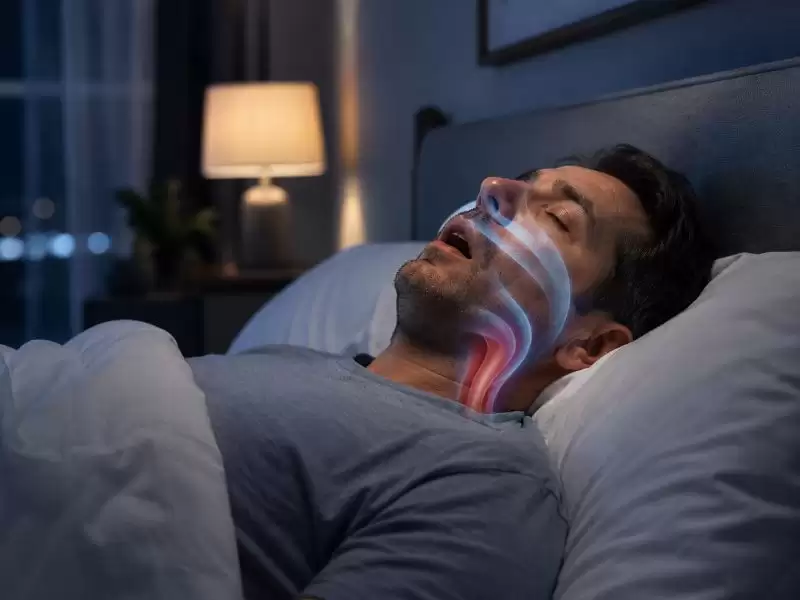
Sleep apnea is a sleep-related breathing disorder characterized by brief pauses or significant reductions in breathing during sleep....