
Frequently Asked Questions About Rhinoplasty
After rhinoplasty, the nose typically reaches its final shape within 6–12 months, depending on the skin type and the surgical technique used...
Yes. Aesthetic nasal surgery (rhinoplasty) and removal of enlarged nasal turbinates (concha) or nasal polyps can be performed together in the same surgical session in suitable patients. This approach is a holistic surgical plan that addresses both the external appearance of the nose and breathing function together.
However, not every “turbinate” or “polyp” condition is the same; which procedure is necessary is determined after a detailed examination and imaging.
Nasal Turbinates (Concha)
Nasal turbinates are normal anatomical structures inside the nose that warm and humidify the air you breathe.
In cases of turbinate hypertrophy, these structures enlarge and may cause nasal obstruction.
Nasal Polyps
Nasal polyps are generally:
Chronic sinusitis
An allergic background
Long-term inflammation of the nasal mucosa
resulting in abnormal soft tissue growths that can lead to nasal blockage.
Although these two structures are often collectively called “nasal tissue” in everyday language, their surgical approaches are different.
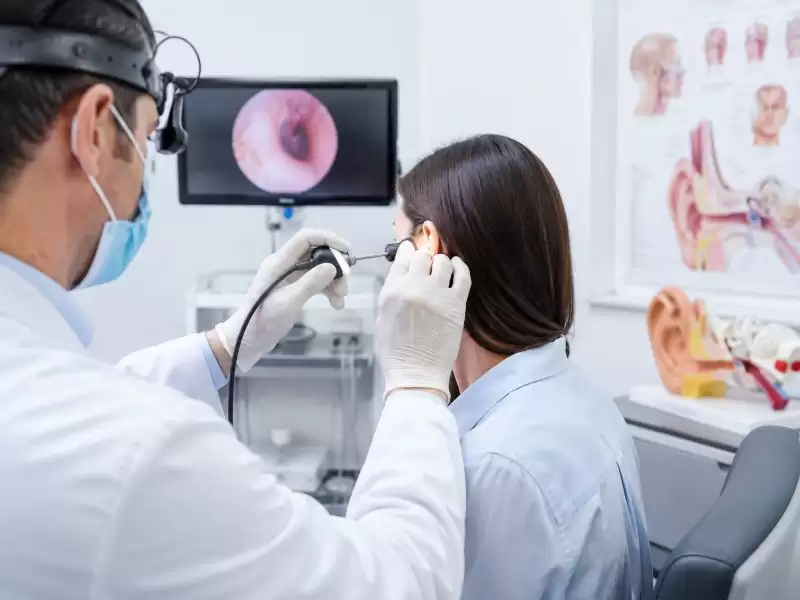
When planning rhinoplasty, the internal nasal structures must be evaluated. If the patient has complaints such as:
Significant nasal obstruction
Mouth breathing
Snoring at night
Shortness of breath during exercise
then correcting only the outside of the nose will not be sufficient.

Advantages of performing them together:
Solving both aesthetic and functional problems with a single anesthesia
Balanced planning of internal and external nasal structures
Improved breathing quality after surgery
Reduced need for a second operation
This combined approach is often called functional rhinoplasty.
In patients with turbinate enlargement, during rhinoplasty:
Turbinates can be reduced
Airway width can be increased
Breathing can be improved while preserving nasal function
The goal is not to remove the turbinates completely, but to reduce their volume while preserving their function.

If nasal polyps are present, the following are evaluated first:
The extent of the polyps
Their relationship with the sinuses
The presence of chronic sinusitis
In suitable patients, together with rhinoplasty:
Endoscopic polyp surgery
Sinus surgery if necessary
can be planned in the same session. If there is an active infection, medical treatment may be required first.
Combined surgery:
May slightly prolong the operation time
However, it provides a single recovery period
During recovery:
Intranasal swelling
A temporary feeling of congestion
Crusting
may be seen. These findings are usually a natural part of the healing process.
No.
Mild turbinate enlargement
Polyps that are not clinically significant
Breathing problems due to other causes
may not require additional surgery.
The decision is made by evaluating complaints, examination findings, and if necessary, CT scan results together.
Aesthetic nasal surgery together with turbinate or nasal polyp surgery can be safely performed in the same session in suitable patients. This approach considers the nose not only as an aesthetic organ, but also as a structure at the center of breathing function.
A successful rhinoplasty is possible with a balanced, personalized surgical plan that improves not only the shape of the nose, but also the internal nasal airways and functional health together.
Yasal Uyarı:
Her cerrahi veya girişimsel işlemde sonuçlar kişiden kişiye değişiklik gösterebilir. İşlem öncesinde hekiminizden detaylı görüş almanız önerilir.
After rhinoplasty, the nose typically reaches its final shape within 6–12 months, depending on the skin type and the surgical technique used...