

Facelift Techniques
As we age, the skin may lose its elasticity, facial contours can change, and the signs of time may become more visible. Today, aesthetic pro...
The facial bones are among the structures frequently affected in traumatic injuries. A zygoma fracture (cheekbone fracture) is one of the fractures that may occur in this area, and clinical evaluation is important because it can affect anatomical regions related to both function and facial structure. For this reason, early assessment by a physician is recommended.
The zygoma is the bony structure that gives volume and shape to the cheek (malar) region.
This structure is connected to:
Therefore, fractures in this area may be related to facial contour, jaw movements, nerve passageways, and functions around the eye.
If such symptoms are present, it is important to be evaluated by a healthcare professional.

The treatment approach is determined by considering the severity of the fracture, the degree of displacement, functional impairment, and the patient’s overall condition.
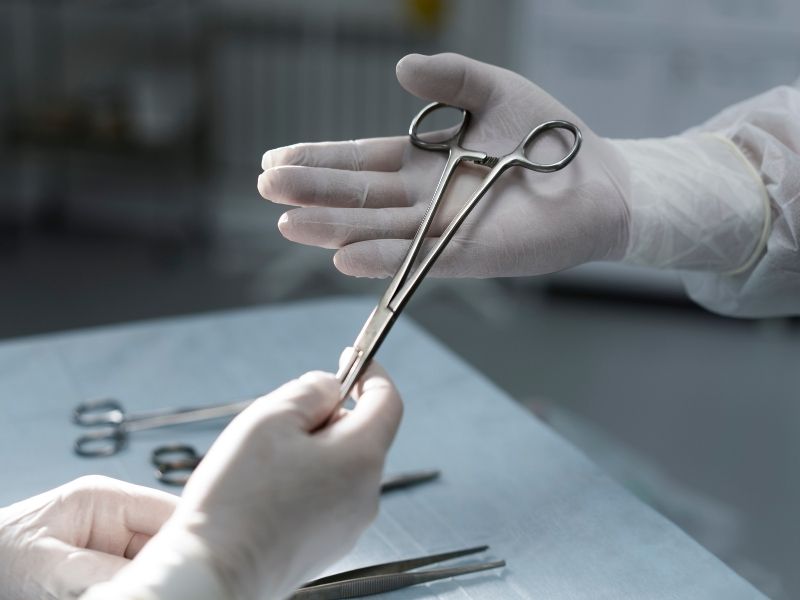
In some fractures, the bones may need to be repositioned to their original alignment. In such cases:
The decision on whether to perform surgery is made based on clinical findings and imaging results.
In such findings, medical evaluation is important.
Note:
This text is for informational purposes only.
A physician’s evaluation is required for diagnosis and treatment decisions.
Yasal Uyarı:
Her cerrahi veya girişimsel işlemde sonuçlar kişiden kişiye değişiklik gösterebilir. İşlem öncesinde hekiminizden detaylı görüş almanız önerilir.
As we age, the skin may lose its elasticity, facial contours can change, and the signs of time may become more visible. Today, aesthetic pro...

Facelift surgery is a procedure performed after evaluating signs of aging in the face, neck, and jawline areas....

Botulinum Toxin is a protein obtained by purifying it in a laboratory from the Clostridium botulinum bacteria....