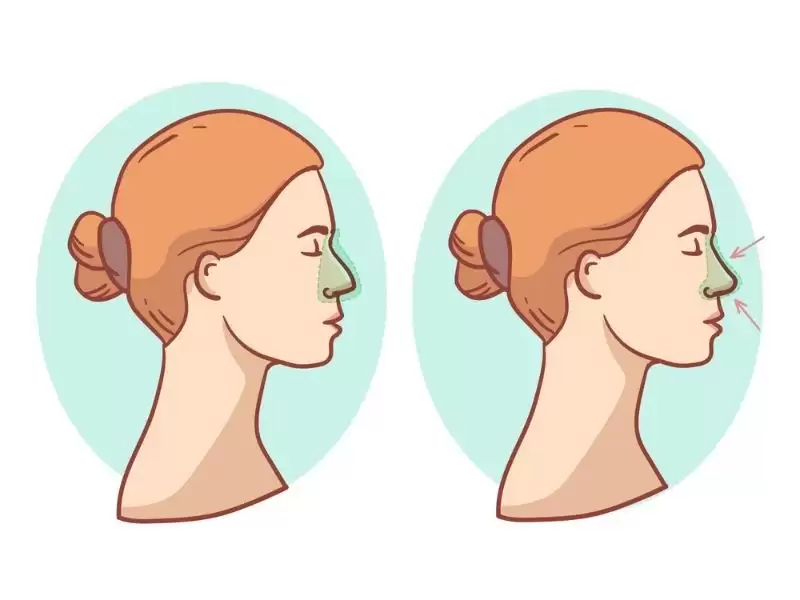


A deviated septum (nasal septal deviation) is a very common condition in the community, yet it often goes unnoticed. Sometimes it is due to a congenital anatomical variation, and sometimes it develops after trauma later in life. This condition is not only an aesthetic difference; it can also make daily life difficult due to functional effects such as difficulty breathing, snoring, and recurrent sinusitis. A deviated septum can be corrected with appropriate methods when deemed necessary after medical evaluation.
- What Is a Deviated Septum?
- What Causes a Deviated Septum?
- What Symptoms Can a Deviated Septum Cause?
- How Is a Deviated Septum Corrected?
- What Is Septorhinoplasty?
- Who May Be a Suitable Candidate for Septorhinoplasty?
- What to Consider After Deviated Septum Surgery
- Informational Note in Compliance With the Legal Framework
What Is a Deviated Septum?
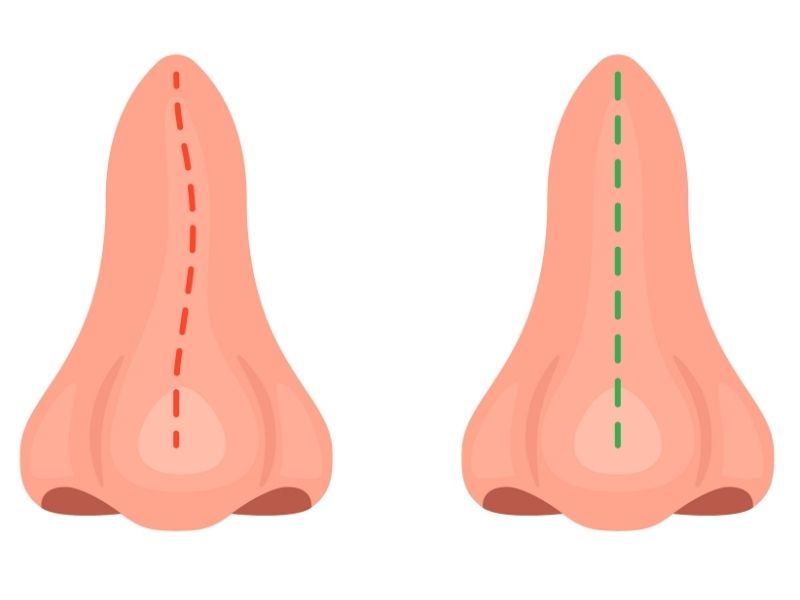
The term “nasal deviation” refers to a curvature (deviation) in the bony or cartilaginous structure of the septum, which lies along the midline of the nose and separates the two nostrils. This structure should normally be straight, but in cases of deviation it may shift to one side.
This may lead to:
- An appearance of asymmetry in the external structure of the nose,
- Increased resistance to airflow,
- Inability to breathe adequately through the nose.
A deviated septum may be associated with complaints such as snoring, dry mouth, postnasal drip, frequent sinusitis, and nasal congestion.
What Causes a Deviated Septum?
Factors that may contribute to a deviated septum include:
- Congenital anatomical structures,
- Genetic factors,
- Causes such as falls, impacts, and trauma,
- Nasal injuries during childhood or adulthood,
- Growth-related mismatches in nasal structure
may play a role.
Therefore, the deviation can be either congenital or acquired later in life.
What Symptoms Can a Deviated Septum Cause?
Although it may not be obvious in some people, a deviated septum may present with the following:
- Difficulty breathing
- Unilateral or bilateral nasal congestion
- Snoring
- Mouth breathing
- Headache
- Reduced sense of smell
- Frequent sinusitis
- Postnasal drip
Long-term mouth breathing may also cause throat dryness and reduced sleep quality.
How Is a Deviated Septum Corrected?
After evaluation, nasal septal deviation may be corrected with surgical methods if the physician deems it appropriate.
The deviated cartilage or bony parts of the septum may be:
- Straightened,
- Repositioned if necessary,
- And the nasal airway passage is improved.
This procedure can be performed through an intranasal approach or with an open technique. Regular nasal care in the postoperative period is important.
What Is Septorhinoplasty?
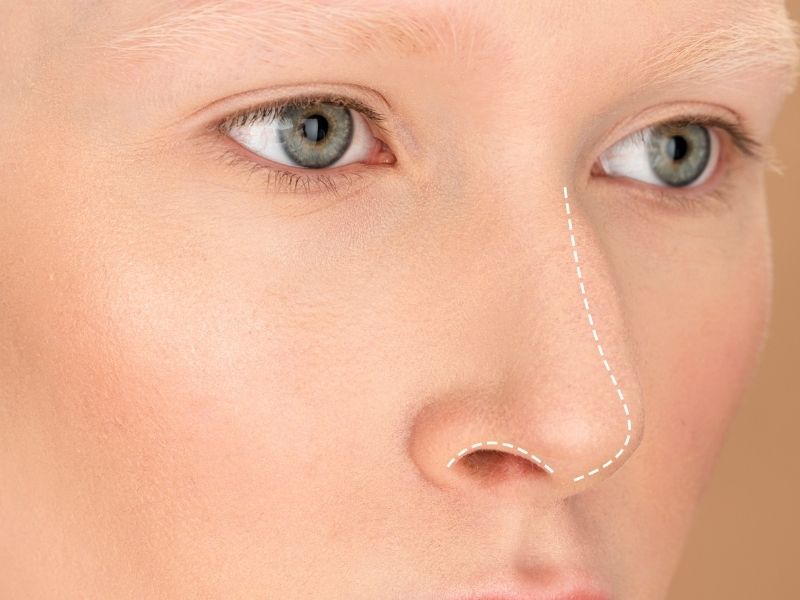
Septorhinoplasty is a combination of the concepts “septum” and “rhinoplasty”; it is a surgical approach in which both a deviated septum and the external structure of the nose are evaluated together.
With this procedure, nasal airflow can be improved and any deformity in the external structure can also be addressed.
Who May Be a Suitable Candidate for Septorhinoplasty?
- Those who have difficulty breathing due to nasal deviation
- Those who snore during sleep or have problems with mouth breathing
- Those with frequent recurrent sinusitis
- Individuals who are not satisfied with the shape of their nose and have appropriate health conditions
Overall health status and suitability for surgery are evaluated by the physician.
What to Consider After Deviated Septum Surgery
In the postoperative period:
- Swelling, nasal congestion, and mild pain are normal in the first days.
- Keeping the head elevated helps reduce swelling.
- Cold application may be used for the first 3–5 days.
- Care should be taken to avoid any impact to the nose.
- Avoid sleeping face down and avoid heavy lifting.
- It may be necessary to take a break from wearing glasses.
- Nasal care, drops, and solutions recommended by the doctor should be used regularly.
- Follow-up visits should not be missed.
The full settling/healing process may vary from person to person and can take anywhere from a few weeks to a few months.
Informational Note in Compliance With the Legal Framework
This text is intended for general informational purposes only.
Since each individual’s condition is different, diagnosis and treatment planning can only be determined through a physician’s evaluation.
Yasal Uyarı:
Her cerrahi veya girişimsel işlemde sonuçlar kişiden kişiye değişiklik gösterebilir. İşlem öncesinde hekiminizden detaylı görüş almanız önerilir.