Written and medically reviewed by: Assoc. Prof. Dr. Ali Seyit Resuli Published: Last updated:
Rhinoplasty and uvulopalatopharyngoplasty (UPPP) surgeries can be performed in the same anesthesia session. This combined approach may allow breathing problems originating from the nose and throat to be addressed within the same process. However, whether it is suitable for each patient can only be decided after a comprehensive preliminary evaluation. Proper patient selection is one of the important steps of planning. A person with structural problems in the nose may often also experience snoring and sleep quality problems. The coexistence of these two conditions may lead patients to wonder whether both problems can be resolved with the same surgery. ENT specialists and plastic surgeons may plan these two procedures in the same session when certain conditions are met. However, the decision is not made only according to technical suitability; the patient’s general health, expectations, respiratory structure and anatomical features are evaluated together.
- What Are the Common Points of Rhinoplasty and UPPP Surgery?
- Can Rhinoplasty and UPPP Be Performed in the Same Session?
- 1. Suitability for General Anesthesia
- 2. Coordination of the Surgical Team
- 3. Comprehensive Preliminary Evaluation
- 4. Clarity of the Patient’s Expectations
- Who Is Not Recommended for Combined Rhinoplasty and UPPP Surgery?
- Advantages and Points to Consider in Combined Rhinoplasty and UPPP Surgery
- What Is the Recovery Process Like After Rhinoplasty and UPPP?
- FREQUENTLY ASKED QUESTIONS
What Are the Common Points of Rhinoplasty and UPPP Surgery?
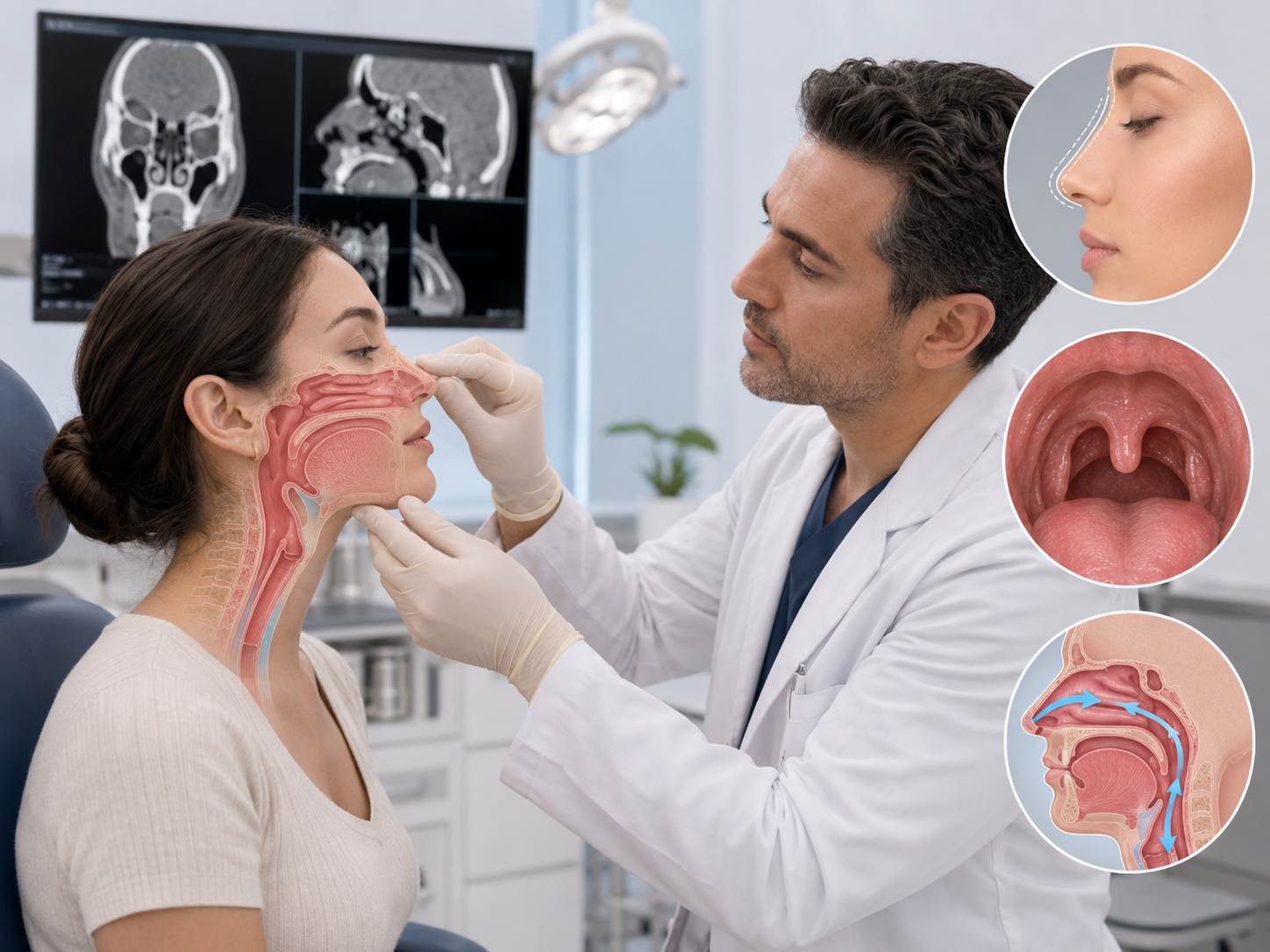
Both rhinoplasty and UPPP are related to upper airway anatomy. Structural problems in the nose may negatively affect airflow. Laxity in the throat tissues may contribute to snoring and apnea during sleep. For this reason, the two procedures may be considered complementary interventions in some patients.
Can Rhinoplasty and UPPP Be Performed in the Same Session?
Some prerequisites must be met for combined surgery to be performed. These conditions are important in terms of both medical evaluation and surgical planning.
1. Suitability for General Anesthesia
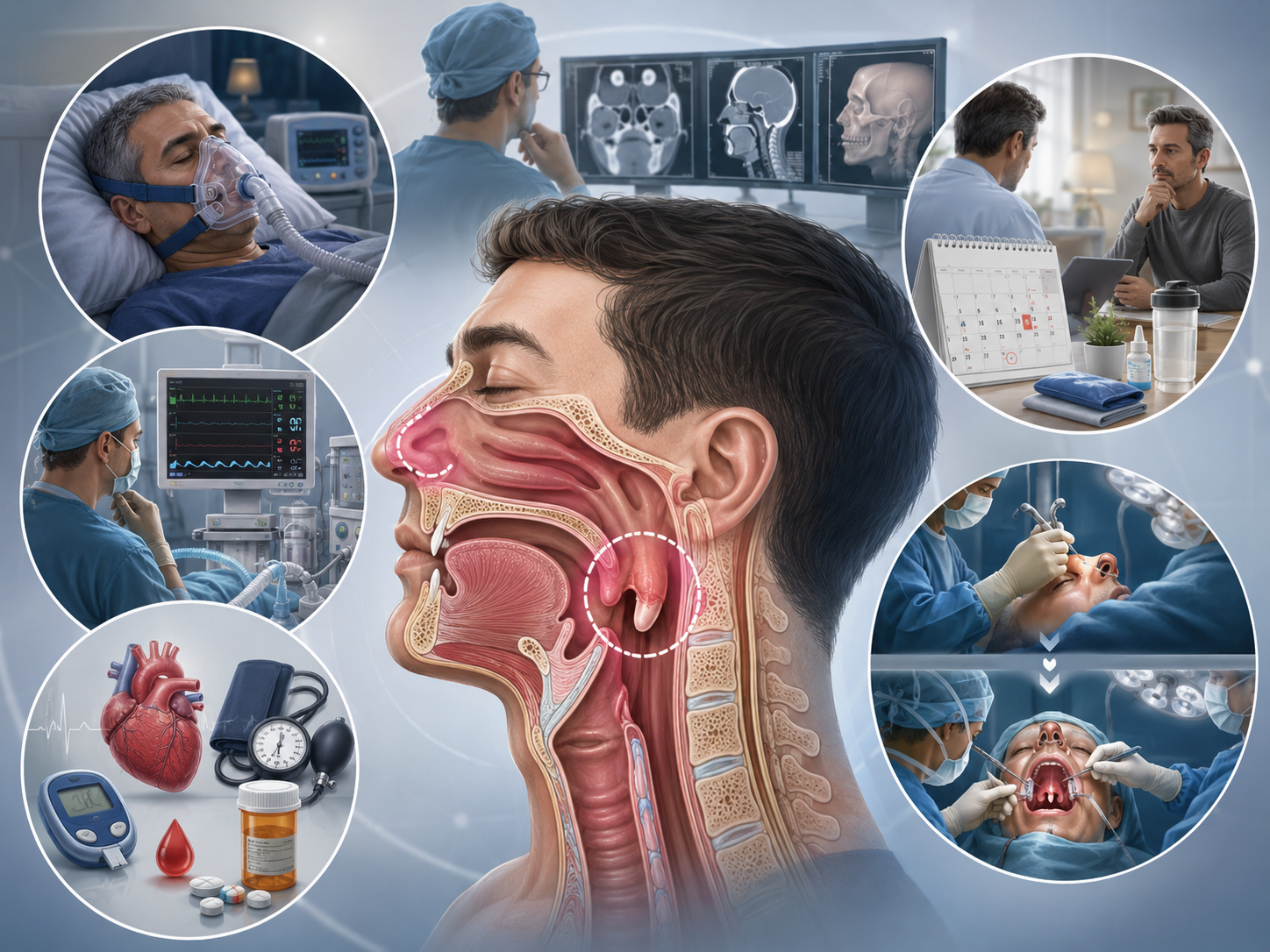
The patient’s heart, circulatory and respiratory health must be suitable for prolonged general anesthesia. Anesthesia management is planned more carefully in patients with sleep apnea.
2. Coordination of the Surgical Team
In some centers, rhinoplasty is performed by a plastic surgeon, while UPPP is performed by an ENT specialist. In some cases, both procedures may be performed by an ENT specialist. Therefore, surgical team planning should be clarified before the operation.
3. Comprehensive Preliminary Evaluation
Sleep testing, nasal endoscopy, detailed examination and general health evaluation should be completed before surgery. A surgical decision should not be made before determining the level from which snoring or sleep apnea originates.
4. Clarity of the Patient’s Expectations
Since the recovery process of both surgeries will be managed together, the patient should be informed about this. It should be known that temporary sensitivity, pain, dryness or difficulty swallowing may occur in the nose and throat area during the same period.
Who Is Not Recommended for Combined Rhinoplasty and UPPP Surgery?
In patients with severe sleep apnea, high anesthesia risk, uncontrolled additional disease or a potentially difficult postoperative follow-up process, performing the two procedures in separate sessions may be preferred. In addition, if aesthetic expectations and functional priorities are not compatible, the surgeon may separate the surgeries into different times for safer planning. This is not a deficiency, but a safety-oriented planning decision.
Advantages and Points to Consider in Combined Rhinoplasty and UPPP Surgery
Having two procedures in a single session offers certain conveniences for the patient, as well as points that need to be managed carefully.
| Advantages | Points to Consider |
|---|---|
| It may allow two procedures to be completed with a single anesthesia session. | The surgery duration may be longer than a single procedure. |
| It may help the overall recovery process progress in a more planned way. | Anesthesia management may require more detailed planning. |
| The patient stays away from work and social life for a single recovery period. | Pain and sensitivity in both the nose and throat area may occur during the same period. |
| Breathing problems originating from the nose and throat can be evaluated together. | Nasal congestion, throat pain and dry mouth may occur together in the first days. |
| The need for preparation for a second surgery may be reduced. | It is not suitable for every patient; the decision should be made individually. |
What Is the Recovery Process Like After Rhinoplasty and UPPP?
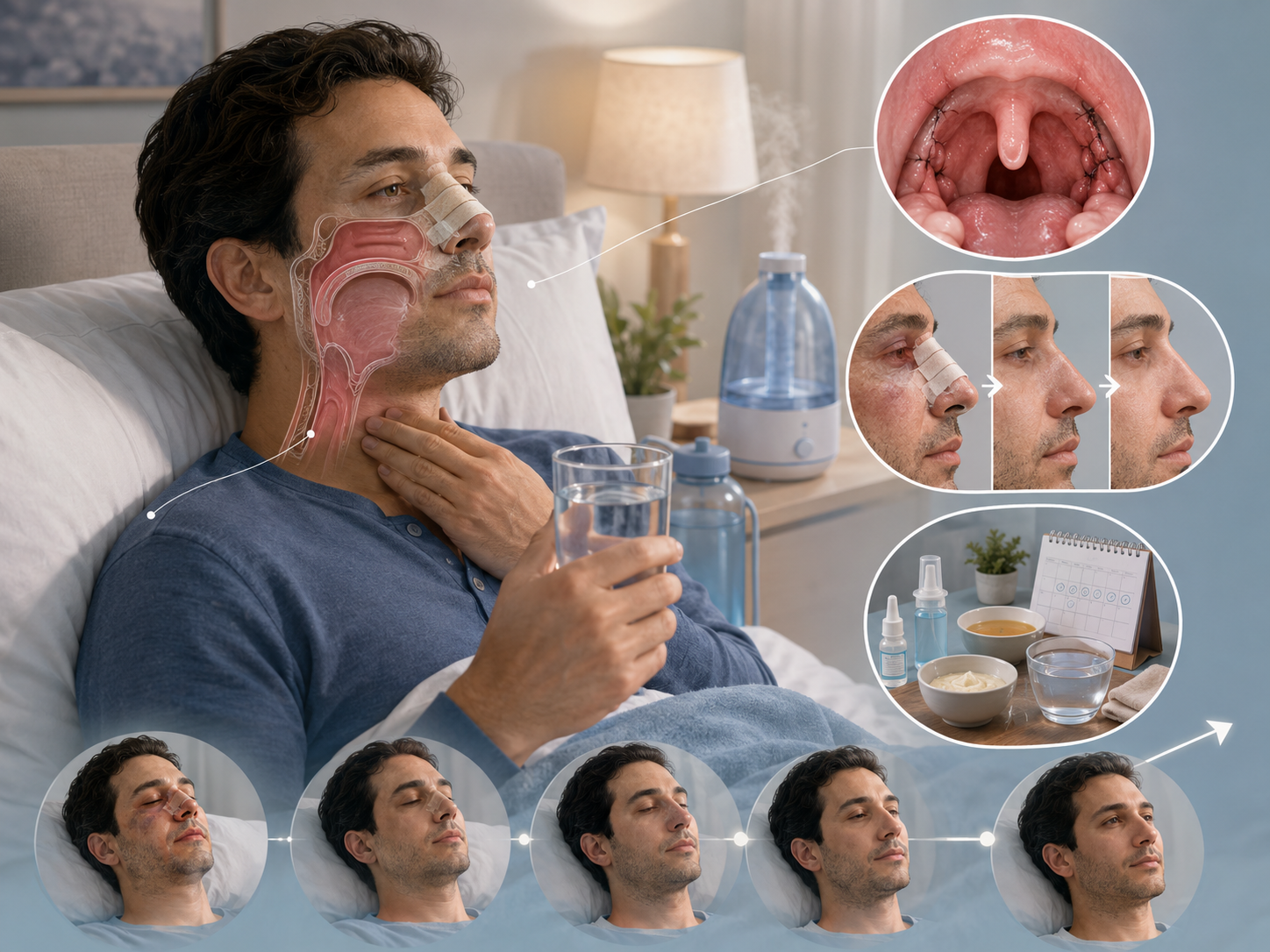
After combined surgery, both nasal congestion and throat-related pain and difficulty swallowing are managed together during the first 48–72 hours. During this period, mouth breathing may become more noticeable and temporary dry mouth may occur.
After the first two-week basic recovery period, complaints in the throat area are expected to decrease significantly. Nasal edema, however, may take longer to subside. Evaluation of the final result after rhinoplasty may often take 6–12 months. For this reason, patience and regular follow-up are important after combined surgery.
FREQUENTLY ASKED QUESTIONS
Yasal Uyarı:
Her cerrahi veya girişimsel işlemde sonuçlar kişiden kişiye değişiklik gösterebilir. İşlem öncesinde hekiminizden detaylı görüş almanız önerilir.