
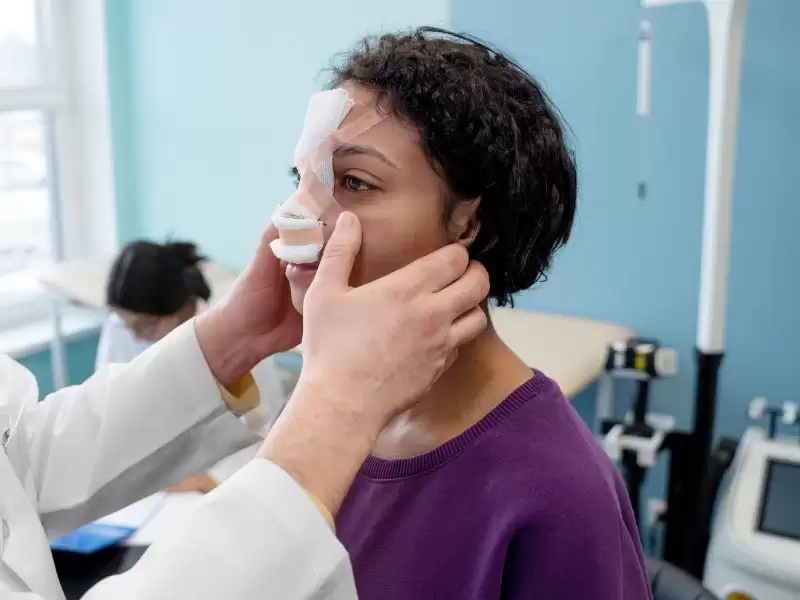
Revision Rhinoplasty – Recovery Process
Revision rhinoplasty is a surgical procedure performed on patients who have previously undergone rhinoplasty and require further adjustment ...
Revision rhinoplasty is the second surgery performed to correct shape or functional issues that arise after a previous nasal surgery. This procedure requires a more technical plan due to changes in tissue structure, cartilage loss, and healing processes compared to the initial surgery.
This is why revision rhinoplasty may not be suitable for every patient.
The situations in which revision rhinoplasty should be postponed or avoided are explained below.
The nasal tissues can take an average of 12–18 months to fully heal.
Performing revision surgery before this time may:
For this reason, most clinical approaches recommend waiting at least 12 months.
In some nose types (thick skin, post-revision nasal tip, soft cartilage structures), swelling may take longer.
If swelling persists, performing revision surgery may make it difficult to plan properly as the final shape of the nose may not be clear yet.
Revision rhinoplasty may be postponed or deemed unsuitable for some medical conditions:
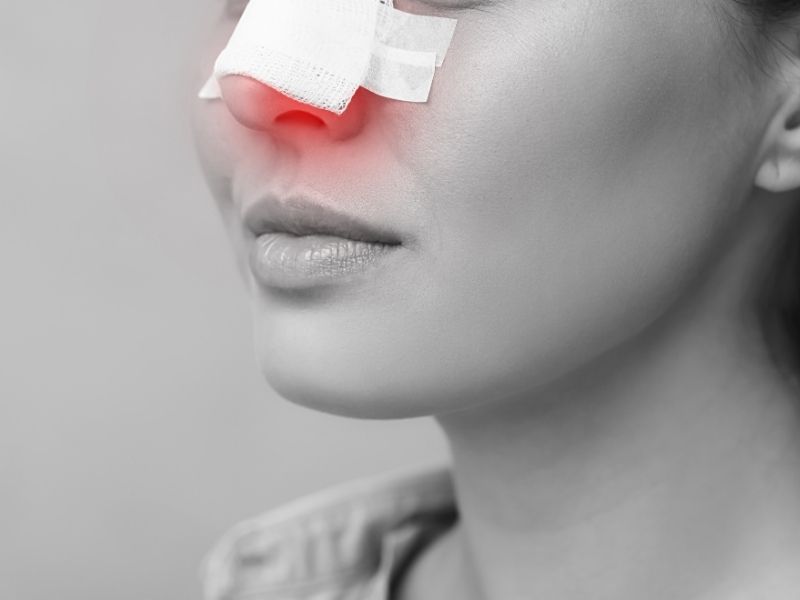
Revision surgery requires a more comprehensive assessment, and managing expectations is crucial.
Revision is generally not recommended in the following situations:

Experienced surgeons may avoid revision if the structural integrity of the nose is at risk.
For example:
These conditions may increase the risk of the operation.
In revision cases, the following cartilage sources are often needed:
If there is insufficient cartilage, the surgeon may prefer to postpone the surgery if support cannot be provided.
The following conditions make revision impossible:
It is generally recommended to wait 12–18 months after the first surgery.
Yasal Uyarı:
Her cerrahi veya girişimsel işlemde sonuçlar kişiden kişiye değişiklik gösterebilir. İşlem öncesinde hekiminizden detaylı görüş almanız önerilir.
Revision rhinoplasty is a surgical procedure performed on patients who have previously undergone rhinoplasty and require further adjustment ...

Rib cartilage removal, when performed by an experienced surgeon, does not harm the lungs. During the procedure, only cartilage tissue is rem...

Revision rhinoplasty is a more delicate process due to tissue changes from previous surgeries. Therefore, swelling and bruising recovery is ...