

Can Revision Rhinoplasty Be Performed Without Cartilage Grafting?
Revision rhinoplasty is a second or third corrective surgery performed on individuals who have previously undergone rhinoplasty....
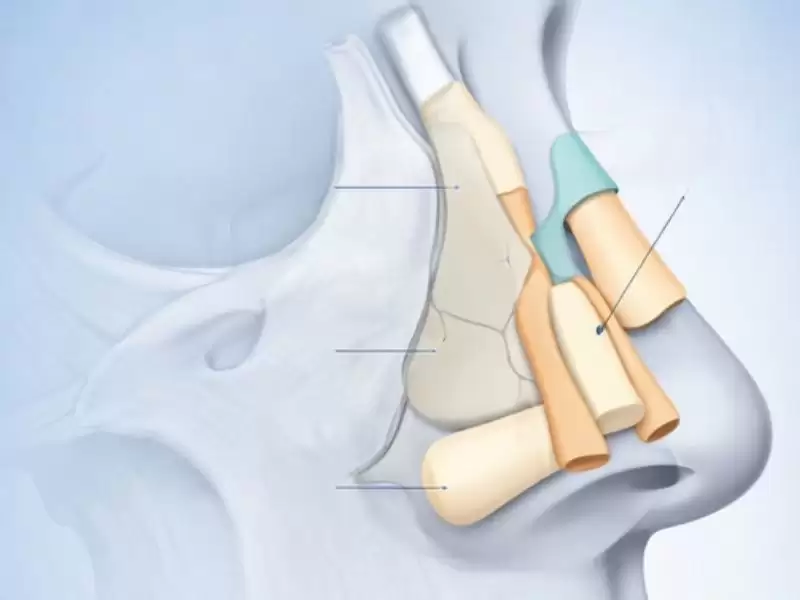
In revision (i.e., second) rhinoplasty, in some patients the existing cartilage tissue inside the nose may have been reduced or weakened during the previous operation. This situation may lead to structural changes such as:
Therefore, when planning a second surgery, additional cartilage support may be required.
This is the first area evaluated for revision.
In which cases can it be used?
Due to its soft and curved structure, it can be used especially in nasal tip adjustments.
Advantages:

It is considered in some complex revision surgeries.
In which cases may it be necessary?
Safety:
When harvested using appropriate surgical techniques, incisions are kept small and show healing over time.
The choice of cartilage source is not the same for every patient. Planning is made according to the following criteria:
In short, the type of cartilage to be used in revision rhinoplasty is determined as a result of an individualized evaluation.
Yasal Uyarı:
Her cerrahi veya girişimsel işlemde sonuçlar kişiden kişiye değişiklik gösterebilir. İşlem öncesinde hekiminizden detaylı görüş almanız önerilir.
Revision rhinoplasty is a second or third corrective surgery performed on individuals who have previously undergone rhinoplasty....

In patients who have undergone more than one nasal surgery, the available cartilage reserve inside the nose may decrease....
Advanced revision rhinoplasty is a surgical procedure performed to correct structural or aesthetic problems that arise after previous nose r...