

What Is UPPP (Uvulopalatopharyngoplasty) Snoring Surgery?
UPPP (Uvulopalatopharyngoplasty) is a surgical procedure considered in cases where snoring—and in some patients obstructive sleep apnea (OSA...
Snoring surgery refers to surgical treatment methods planned according to the area where airway narrowing causes snoring during sleep. Snoring is not only a disturbing sound problem. In some patients, it may be associated with nasal congestion, soft palate laxity, uvula elongation, enlarged tonsils, the tongue base falling backward or sleep apnea.
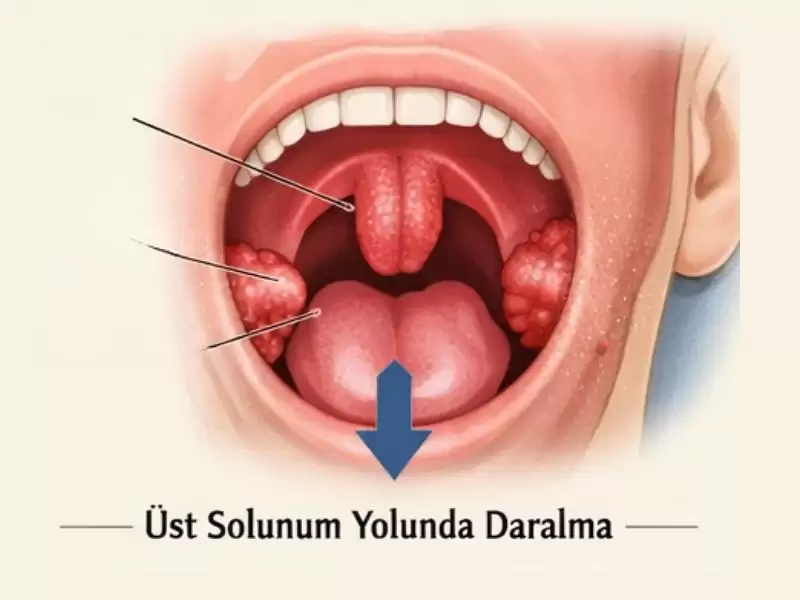
Snoring occurs when the air passing through the airway during sleep creates vibration in narrowed areas. This vibration most commonly occurs at the level of the nose, nasopharynx, soft palate, uvula, tonsils and tongue base. Since the area causing snoring is not the same in every patient, the treatment approach also varies from person to person.
The answer to the question what causes snoring may be related to many different structural and functional factors. Nasal septum deviation, enlarged nasal turbinates, allergic rhinitis, chronic nasal congestion, adenoid enlargement, enlarged tonsils, soft palate laxity and uvula elongation are among the main causes that may lead to snoring.
In some people, excess weight, sleeping on the back, alcohol use, smoking, irregular sleep, fatigue and some medications that may cause muscle relaxation can also increase snoring. Therefore, during a snoring evaluation, not only the throat structure but also nasal breathing, lifestyle and sleep pattern are taken into consideration.

| Area Causing Snoring | Possible Problem |
|---|---|
| Nose | Nasal septum deviation, enlarged nasal turbinates, allergic rhinitis |
| Nasopharynx | Adenoid enlargement, airway narrowing |
| Soft palate | Tissue laxity, increased vibration |
| Uvula | Elongation or sagging |
| Tonsils | Enlargement that narrows the airway |
| Tongue base | Backward narrowing during sleep |
Small note: Snoring may increase during certain periods due to infection, allergy or fatigue. However, long-lasting, loud snoring accompanied by breathing pauses during sleep should be evaluated in more detail.
The question who is snoring surgery suitable for is answered by evaluating the patient’s airway structure and accompanying findings. Snoring surgery may be considered in patients who have a surgically correctable narrowing or structural problem in the area causing snoring. The decision for surgery is not made based only on the patient’s complaint of snoring. First, where the airway narrowing is located, which tissues contribute to snoring and whether sleep apnea is present should be investigated.
Snoring surgery may especially be considered in the following situations:
In some patients, weight control, adjustment of sleep position, medical treatment of nasal congestion or device treatments for sleep apnea may be more appropriate instead of surgery.

Snoring and sleep apnea are not the same condition. Snoring is the sound caused by vibration in the airway during sleep. Sleep apnea is the short-term stopping or significant reduction of breathing during sleep. However, snoring may be one of the most commonly noticed symptoms of sleep apnea.
Especially if loud snoring, breathing pauses during sleep, waking up as if choking, morning headache, daytime sleepiness, attention problems and constant fatigue are present, an evaluation should be performed for sleep apnea symptoms.
Small note: In patients with suspected sleep apnea, reducing only the snoring sound may not be sufficient. First, the presence and severity of breathing pauses should be evaluated.
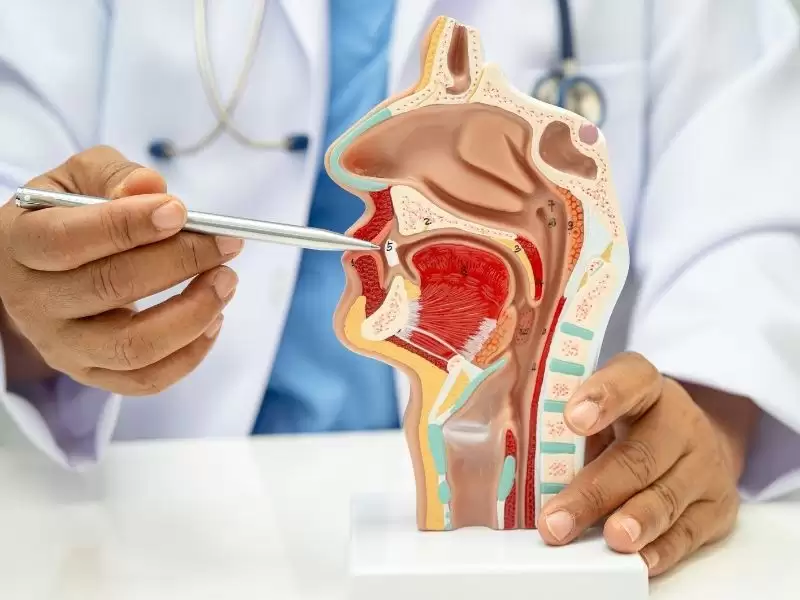
During the preoperative evaluation for snoring surgery, an ear, nose and throat examination is performed. The inside of the nose, nasal turbinates, septum, nasopharynx, tonsils, soft palate, uvula and tongue base are evaluated. When necessary, the levels of airway narrowing can be examined in more detail with an endoscopic examination.
During the examination, how long the patient’s snoring has been present, its severity, whether breathing pauses occur during sleep, daytime sleepiness, weight status and any additional diseases are evaluated in detail. Nighttime breathing pauses noticed by the patient’s spouse or relatives are also important for the evaluation.
If sleep apnea is suspected, a sleep test may be requested. A sleep test helps show breathing pauses throughout the night, changes in oxygen levels and how sleep is affected.
The answer to the question how is snoring surgery performed varies depending on the area causing snoring. Snoring surgery is not a single standard procedure. The surgical method is determined according to the area causing snoring. If there are nose-related problems, procedures such as septoplasty, nasal turbinate reduction or treatments aimed at improving the nasal airway may be performed. These procedures may contribute to reducing snoring by making nasal breathing easier.
If there is a problem in the soft palate and uvula area, surgical procedures may be performed to tighten the palate tissue, reduce vibration or widen the airway. Tonsil surgery may be planned in patients with enlarged tonsils. Since snoring originates from more than one area in some patients, a combined surgical approach may be required.
| Surgical Approach | Targeted Problem |
|---|---|
| Septoplasty | Airway narrowing due to nasal septum deviation |
| Nasal turbinate reduction | Obstruction due to enlarged nasal turbinates |
| Soft palate surgery | Palate laxity and vibration |
| Uvula procedures | Uvula elongation or sagging |
| Tonsil surgery | Enlarged tonsils narrowing the airway |
The recovery process after snoring surgery varies depending on the procedure performed. After surgeries involving the nasal area, temporary nasal congestion, crusting, mild discharge and sensitivity may occur inside the nose. After procedures involving the soft palate, uvula or tonsil area, sore throat, sensitivity while swallowing and temporary changes in eating habits may occur.
During the recovery period, medications recommended by the doctor should be used regularly, adequate fluid intake should be maintained and dietary recommendations should be followed. In the first days, very hot, hard and irritating foods may need to be avoided. In cases such as bleeding, high fever, significant difficulty breathing or more pain than expected, the doctor should be contacted.

Yasal Uyarı:
Her cerrahi veya girişimsel işlemde sonuçlar kişiden kişiye değişiklik gösterebilir. İşlem öncesinde hekiminizden detaylı görüş almanız önerilir.
UPPP (Uvulopalatopharyngoplasty) is a surgical procedure considered in cases where snoring—and in some patients obstructive sleep apnea (OSA...
For doctors who perform UPPP surgery, the main approach is not to apply the same surgical procedure to every patient, but to accurately eval...
One of the most commonly performed surgical procedures in the field of Ear, Nose, and Throat (ENT) is tonsillectomy and adenoidectomy. These...