One of the questions parents most frequently ask before tonsillectomy is whether tonsil removal weakens the immune system. The tonsils are indeed part of the immune system, but the body's defenses do not depend solely on these tissues. A tonsillectomy performed for appropriate medical reasons is not expected to cause significant and permanent weakening of the immune system in children.
After surgery, a child may still develop colds, pharyngitis, or other upper respiratory tract infections. This does not mean that removing the tonsils has damaged the immune system. What matters most is why surgery was recommended. If problems such as frequent infections, sleep apnea, significant snoring, or breathing difficulties are present, the benefits provided by the tonsils are weighed against the problems they cause.
- Tonsil Removal Does Not Significantly Weaken the Immune System
- What Does Scientific Research Say?
- What Are Tonsils and What Is Their Role in the Immune System?
- Are the Tonsils and Adenoids Lymphoid Tissues?
- Are the Tonsils the Body's Only Immune Organ?
- Where Did This Myth Come From?
- The Belief That Tonsils Are the Body's Protective Shield
- Temporary Illnesses After Surgery
- When Is Tonsil Removal Necessary?
- Frequently Recurring Tonsil Infections
- Sleep Apnea and Snoring
- Difficulty Swallowing and Breathing
- Differences Between Children Who Undergo Surgery and Those Who Do Not
- When Should You Consult a Doctor?
- Frequently Asked Questions from Parents
- References
-
-
Tonsil Removal Does Not Significantly Weaken the Immune System
- Removing the tonsils does not mean that the immune system stops functioning.
- The tonsils are among the lymphoid tissues in the mouth and throat that encounter microorganisms. They may contribute to the development of immune responses, particularly during childhood. However, the body contains many other immune tissues and cells that share similar functions.
- Therefore, when deciding on surgery, both the immune function of the tonsils and the burden they place on the child are considered.
- For example, if the tonsils become frequently infected, interfere with nighttime breathing, or seriously affect the child's sleep quality, they are no longer viewed solely as beneficial structures.
-
What Does Scientific Research Say?
Some immune markers may show temporary changes after tonsillectomy. However, there is no strong body of evidence demonstrating clinically significant and permanent weakening of the immune system in children over the long term.
The important point is that surgery should be performed for an appropriate medical reason.
Not every child needs to have their tonsils removed. However, when the criteria for surgery are met, fear of losing immune protection alone should not be considered sufficient reason to postpone necessary treatment.
What Are Tonsils and What Is Their Role in the Immune System?
One of the main questions parents ask is what tonsils do.
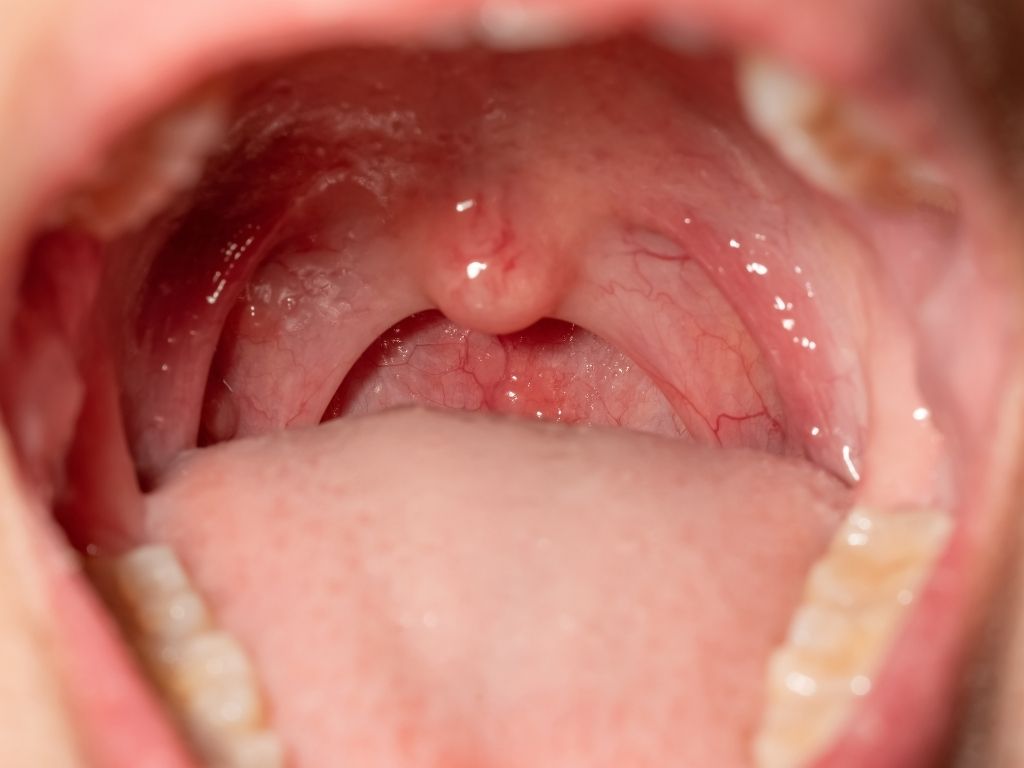
The tonsils are lymphoid tissues belonging to the immune system, located on both sides of the throat. Because they are among the first structures to encounter microorganisms entering the body through the mouth and nose, they contribute to the development of immune responses.
This function may be more prominent during childhood. However, the tonsils are not solely responsible for protecting the body against infections. The immune system is an extensive network of organs, cells, and tissues working together.
Are the Tonsils and Adenoids Lymphoid Tissues?
Yes. Both the tonsils and adenoids consist of lymphoid tissue.
While the tonsils can be seen by looking into the mouth, the adenoids are located deeper, at the back of the nose. Both structures are immune tissues that encounter microorganisms entering the upper respiratory tract.
They may be particularly active during childhood.
As people grow older, the relative importance of these tissues in the immune system may change, and the adenoids may gradually become smaller in many individuals.
Are the Tonsils the Body's Only Immune Organ?
No.
The immune system does not consist solely of the tonsils.
Many structures throughout the body work together, including:
- Lymph nodes
- Spleen
- Bone marrow
- Gut-associated lymphoid tissues
- Immune cells in the blood and tissues
Therefore, removing the tonsils does not leave the body defenseless against microorganisms.
Where Did This Myth Come From?
It is understandable for a parent who learns that the tonsils are part of the immune system to wonder whether removing them might reduce their child's defenses.
Therefore, concerns about tonsillectomy and immunity do not arise from a completely unfounded idea.
The misconception is treating the tonsils as though they were the body's only line of defense.
The Belief That Tonsils Are the Body's Protective Shield
The statement that tonsils are the body's protective shield is commonly used in everyday language. However, from an immunological perspective, this description is overly simplistic.
The tonsils are one component of the body's defense system, but they are not its only protective barrier. Similarly, the belief that microorganisms will pass directly into the lungs after tonsil removal does not accurately reflect how the body works.
The upper respiratory tract and immune system continue functioning after tonsillectomy.
The child will still encounter infections, and their body can continue producing immune responses against them.
Temporary Illnesses After Surgery
One concern about immunity after tonsillectomy arises when a child becomes ill several times following surgery.
During the first few weeks after surgery, the child is recovering. Eating habits may change temporarily, sleep patterns may be affected, and the child may need to stay away from normal daily activities for a while.
When returning to school or daycare, the child may once again be exposed to numerous respiratory viruses.
It would be incorrect to attribute every upper respiratory tract infection during this period to a weakened immune system caused by surgery.
Likewise, expecting a child never to experience another throat infection or cold after tonsillectomy is unrealistic.
When Is Tonsil Removal Necessary?
Tonsillectomy is not performed simply because the tonsils are enlarged. The decision depends on the problems the child experiences.
For some children, frequent infections are the main concern, while for others, the primary problem is impaired breathing during sleep.
Frequently Recurring Tonsil Infections
Recurrent tonsil infections can significantly affect a child's quality of life.
Episodes accompanied by high fever, frequent doctor visits, repeated antibiotic use, and school absences may be considered when evaluating the need for surgery. The assessment is not based solely on the number of infections per year.
The following factors are evaluated together:
- How severe the infections are
- How frequently they recur
- How much they affect the child's daily life
- How much the need for treatment has increased
Sleep Apnea and Snoring
Enlarged tonsils can narrow the airway in children.
This may cause not only snoring but also repeated interruptions in breathing during sleep.
Parents should pay particular attention to the following symptoms:
- Significant snoring every night
- Breathing that appears to stop during sleep
- Sleeping with the mouth open
- Restless sleep
- Excessive sweating at night
- Frequent awakenings
- Difficulty waking up in the morning
- Attention or behavioral problems during the day
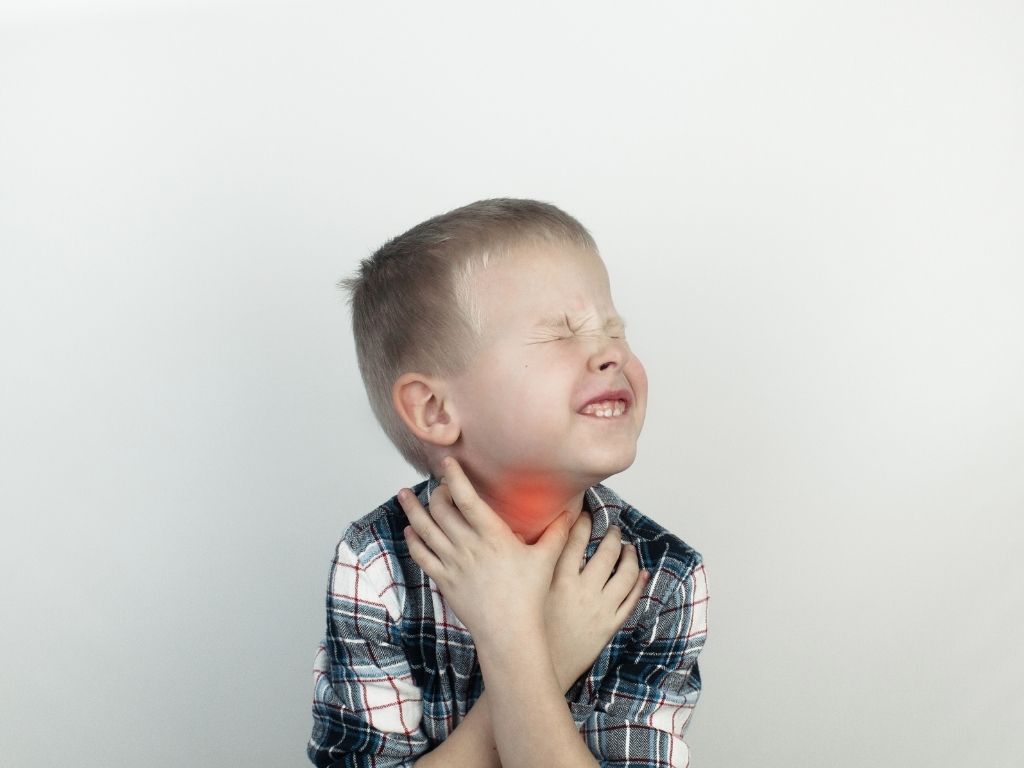
Good-quality sleep is important for growth, learning, and everyday behavior in children. Therefore, suspected sleep apnea may be an important factor in the decision to perform tonsillectomy.
Difficulty Swallowing and Breathing
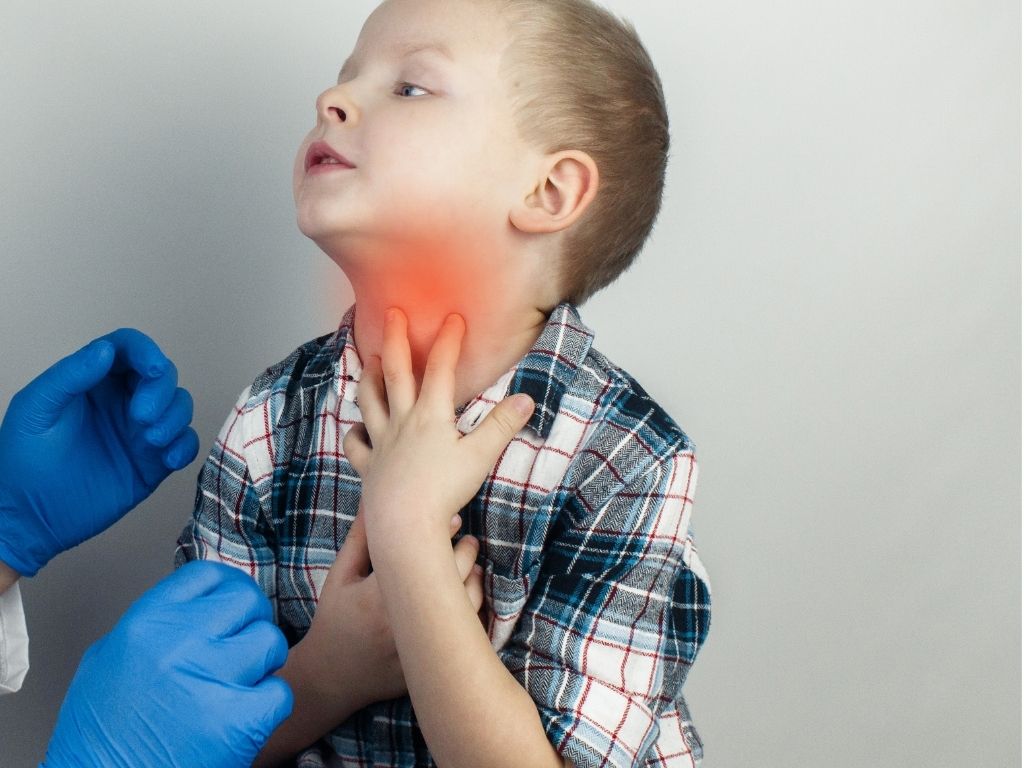
In some children, the tonsils may become so enlarged that they create a mechanical obstruction while eating or breathing.
The child may have difficulty swallowing solid foods, take a very long time to eat, or constantly keep their mouth open to breathe at night.
What matters is not simply that the tonsils appear large, but whether they cause a functional problem.
Differences Between Children Who Undergo Surgery and Those Who Do Not
It would be incorrect to compare children who need tonsillectomy with those who do not solely in terms of immunity. Surgery is generally planned to address an existing problem.
|
Topic |
Child Who Does Not Require Surgery |
After Surgery in a Child with an Indication for Tonsillectomy |
|
Immunity |
The tonsils contribute to the immune system |
Other immune tissues continue functioning |
|
Infections |
Childhood infections may occur |
Upper respiratory tract infections do not disappear completely |
|
Sleep |
No problems are expected if the airway is unobstructed |
If obstruction was present, snoring and sleep quality may improve |
|
Throat infections |
Recurrent tonsil infections may occur |
Recurrent infections originating from the tonsils may decrease |
|
Daily life |
Surgery may not be necessary if there are no significant symptoms |
Sleep, eating, and daily activities may become easier in appropriately selected patients |
One of the questions parents ask most frequently is whether their child will become ill more often after tonsil removal.
It would be incorrect to generalize that every child will become ill more frequently after surgery.
Tonsillectomy does not prevent other infections that occur during childhood. The child may still encounter viruses, develop a runny nose, or experience pharyngitis or colds.
So, what happens when the tonsils are removed? The child will no longer experience recurrent infections of the removed tonsil tissue. However, infections may still develop in other parts of the throat, and upper respiratory tract infections may continue.
Therefore, the purpose of surgery is not to protect the child from every illness.
When Should You Consult a Doctor?
Tonsil problems can affect not only a child's throat but also their sleep, eating habits, and daily life.
An ENT evaluation is appropriate in the following situations:
- Frequent recurrent tonsil infections
- Significant snoring almost every night
- Breathing pauses observed during sleep
- Consistently sleeping with the mouth open
- Difficulty swallowing or breathing
- Restless sleep
- Daytime attention, behavior, or school performance problems
- Frequent antibiotic use due to recurrent infections
- Concerns about immunity after tonsillectomy has been recommended
The tonsils play a role in the immune system, but the decision to perform surgery is not based on this fact alone. A more appropriate approach is to consider the child's infection frequency, nighttime breathing, sleep quality, growth, and daily life together.
Frequently Asked Questions from Parents
References
- Mitchell RB, et al. Clinical Practice Guideline: Tonsillectomy in Children (Update). Otolaryngol Head Neck Surg. 2019;160(1_suppl):S1–S42. (American Academy of Otolaryngology–Head and Neck Surgery Foundation)
Yasal Uyarı:
Her cerrahi veya girişimsel işlemde sonuçlar kişiden kişiye değişiklik gösterebilir. İşlem öncesinde hekiminizden detaylı görüş almanız önerilir.