
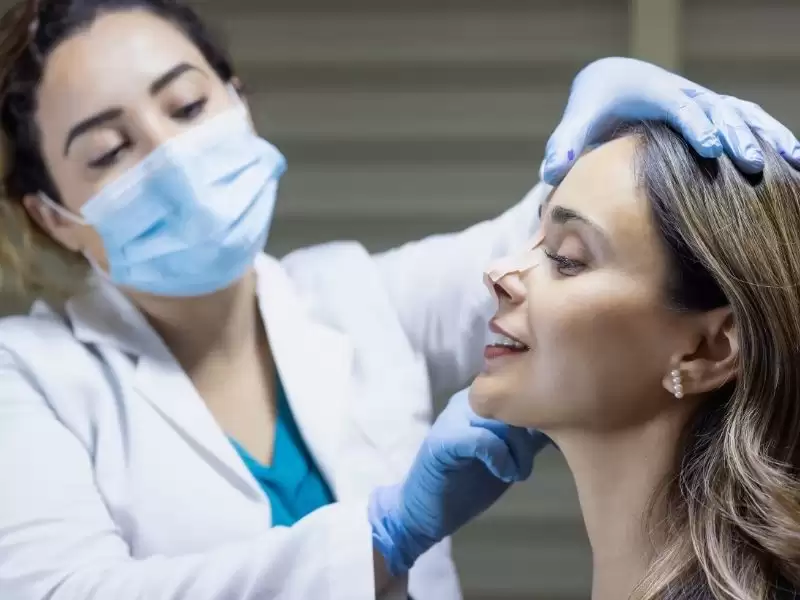
Use of Rib Cartilage in Revision Rhinoplasty
In revision rhinoplasty procedures, rib cartilage harvested from the rib is one of the most commonly used methods to reconstruct the nasal s...
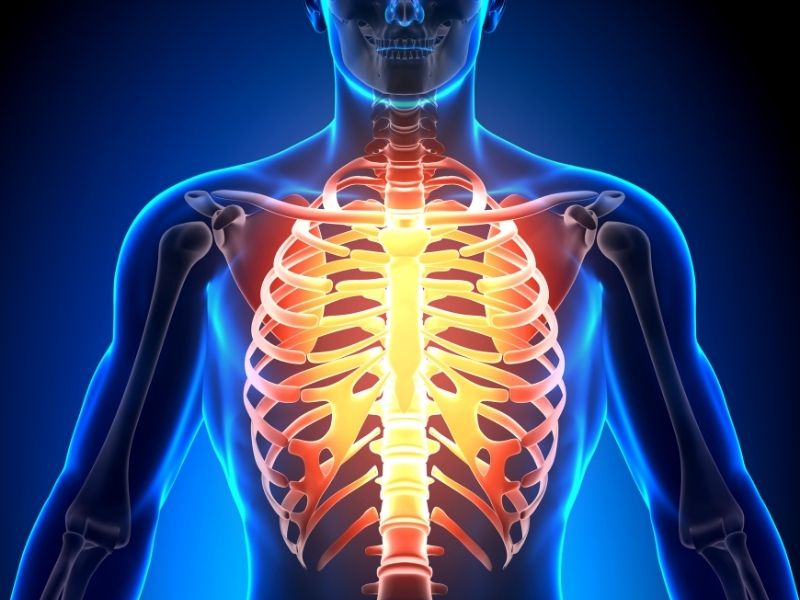
Rib cartilage removal, when performed by an experienced surgeon, does not harm the lungs. Only the cartilage tissue is removed during the procedure, and the pleura is carefully preserved.
Thanks to modern surgical techniques, the rate of serious complications, such as pneumothorax (lung collapse), in this area is extremely low.
After rib cartilage removal, mild chest burning or tenderness that lasts for a few days is normal.
This pain is usually:
Most patients experience significant relief within 3–7 days.
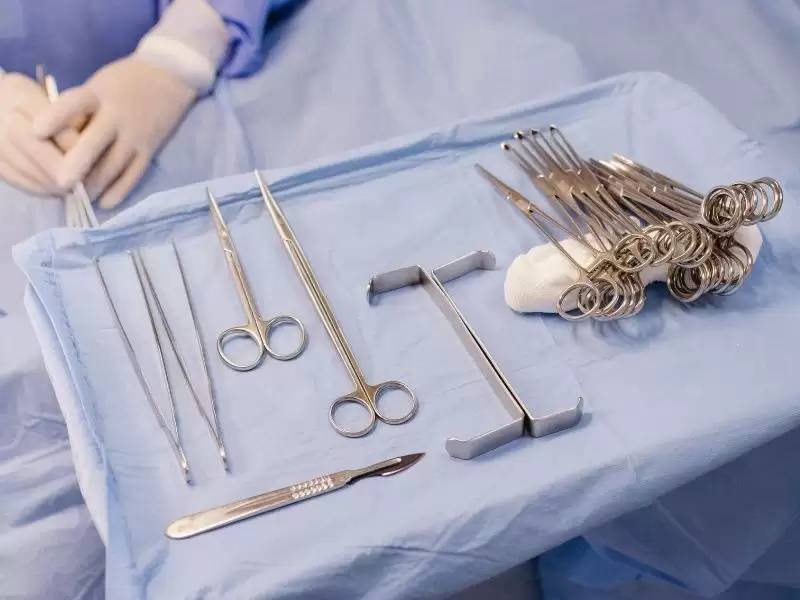
No. When performed by experienced rhinoplasty surgeons, it is a safe method. Rib cartilage is particularly preferred in revision rhinoplasty cases when strong support is needed.

The sense of taste and smell may temporarily decrease.
The reason for this is:
This usually improves within 3–6 weeks in most patients. Permanent loss of taste/smell is very rare.
Yes, noses with a history of filler or silicone injections require more careful planning for revision rhinoplasty because:
Therefore, personalized planning is very important in revision cases.
Yasal Uyarı:
Her cerrahi veya girişimsel işlemde sonuçlar kişiden kişiye değişiklik gösterebilir. İşlem öncesinde hekiminizden detaylı görüş almanız önerilir.
In revision rhinoplasty procedures, rib cartilage harvested from the rib is one of the most commonly used methods to reconstruct the nasal s...

The most frequently asked questions by international patients choosing Istanbul for revision rhinoplasty include: recovery process, surgical...
Preparation Guide for Rhinoplasty & Revision Rhinoplasty for International Patients | Istanbul • Assoc. Prof. Dr. Ali S. Resul...