
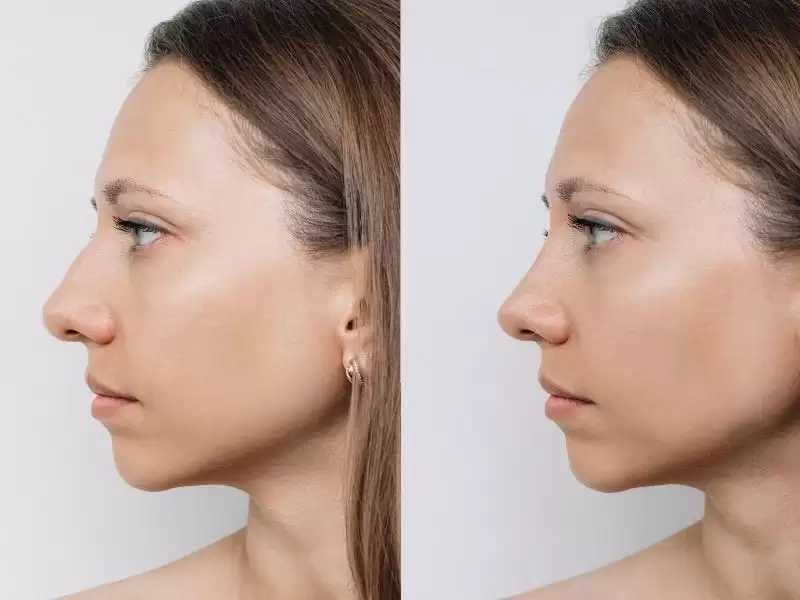
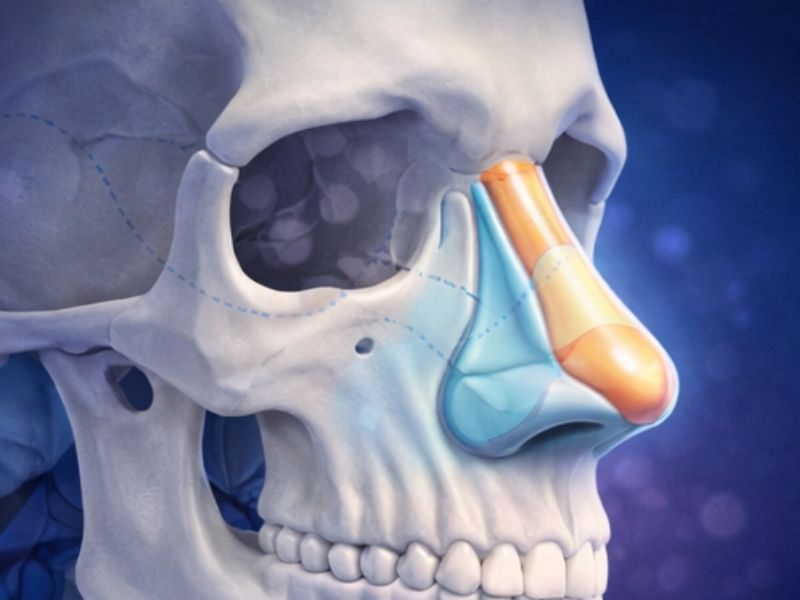
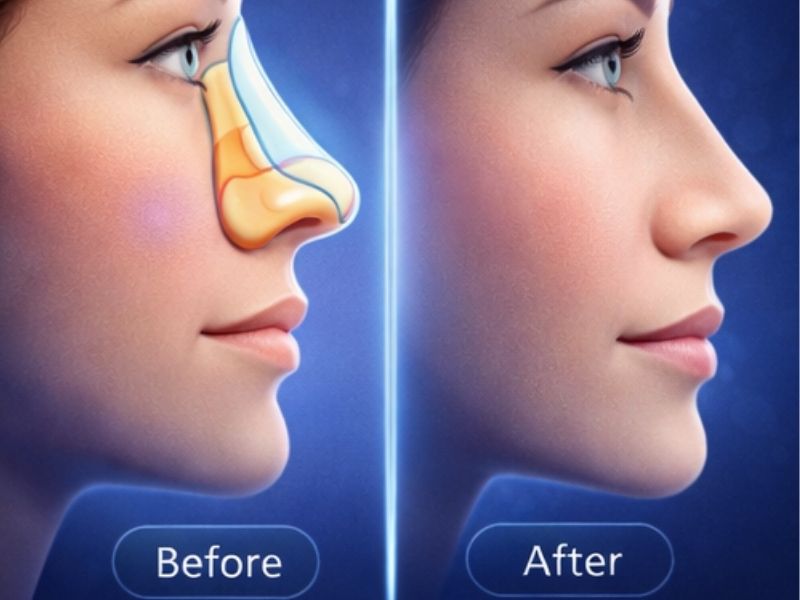
Rhinoplasty is a surgical procedure performed to reshape the bone and cartilage structure of the nose. Also known as aesthetic nose surgery, rhinoplasty may be planned to improve nasal appearance and, in some cases, to evaluate structural problems that may affect breathing.
Rhinoplasty surgery is planned according to the patient’s nasal structure, facial proportions, breathing function, and expectations. Before surgery, the bone and cartilage structure of the nose is evaluated in detail. These evaluations help determine how the nasal structure may be reshaped within a personalized surgical plan.
During rhinoplasty planning, both aesthetic appearance and nasal functions are considered together. The aim is to create a surgical plan that is compatible with the patient’s facial structure and functional needs.
- How Is Rhinoplasty Surgery Performed?
- Preoperative Evaluation Process For Rhinoplasty Surgery
- Techniques Used In Rhinoplasty Surgery
- Open Rhinoplasty Technique
- Closed Rhinoplasty Technique
- Recovery Process After Rhinoplasty
- First Days After Rhinoplasty
- Swelling And Edema Process After Rhinoplasty
- Rhinoplasty Planning For International Patients
- Important Points In Rhinoplasty Planning
- Rhinoplasty Surgery FAQ
How Is Rhinoplasty Surgery Performed?
Rhinoplasty surgery is generally performed under general anesthesia. During the operation, the bone and cartilage structures of the nose are reshaped according to the surgical plan. The procedures to be performed may vary depending on the patient’s nasal anatomy, breathing needs, and planned changes.
During the surgical process, the nasal bridge may be corrected, the nasal tip may be reshaped, or the width of the nose may be adjusted. While these procedures are performed, the natural support mechanisms of the nasal structure are preserved as much as possible.
The duration of the surgery may vary depending on the scope of the procedure. After the operation, a protective splint may be placed on the nose and intranasal support materials may be used when needed. These applications help support the nasal structure during the early healing period.
Preoperative Evaluation Process For Rhinoplasty Surgery
Before rhinoplasty surgery is planned, the patient’s nasal structure is evaluated in detail. During this evaluation, the bone and cartilage structure of the nose is examined, the airways inside the nose are checked, and the patient’s expectations are discussed. Based on this information, the surgical plan is created.
Photo analyses may be used during the preoperative process. These analyses help assess the current condition of the nasal structure more clearly and support surgical planning. By also considering the overall facial structure, the shape of the nose is evaluated together with facial proportions.
The patient’s general health condition also plays an important role in surgical planning. For this reason, routine health evaluations may be performed before surgery. These evaluations help determine whether the surgical procedure can be planned safely.

Techniques Used In Rhinoplasty Surgery
The surgical technique used in rhinoplasty surgery is determined according to the patient’s nasal structure, the extent of the planned changes, and the surgical evaluation. During rhinoplasty, the bone and cartilage structures of the nose may be reshaped to address areas such as the nasal bridge, nasal tip, and nasal width. In some patients, structural problems inside the nose may also be evaluated together with breathing function.
In rhinoplasty surgeries, there are two main approaches that may be considered: open rhinoplasty and closed rhinoplasty. These methods differ according to the way access to the nasal structure is achieved. The appropriate technique is determined according to the nasal anatomy, the scope of the planned procedure, and the surgeon’s evaluation.
Open Rhinoplasty Technique
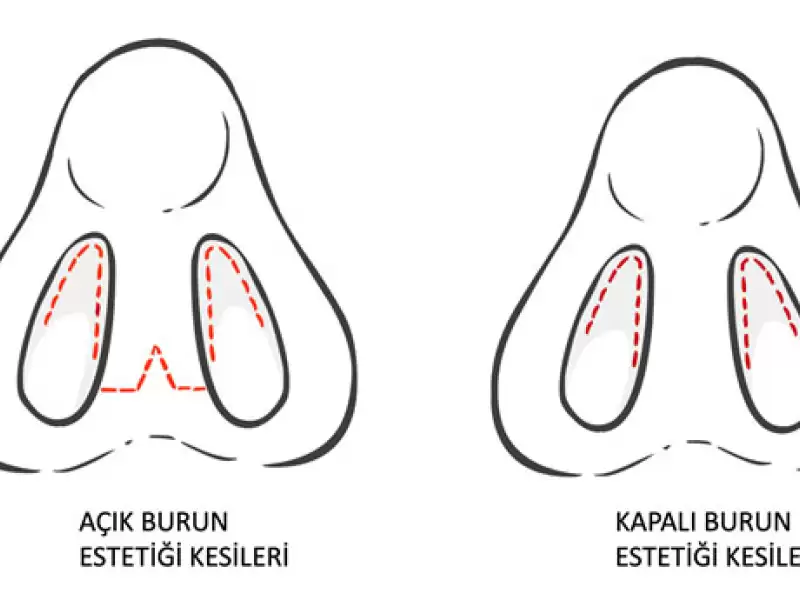
In the open rhinoplasty technique, access to the nasal structure is provided through a small incision in the columella area. This technique may allow the surgeon to evaluate the bone and cartilage structure of the nose in greater detail. For this reason, it may be considered in procedures that require more extensive reshaping.
The open rhinoplasty technique may be evaluated in the following situations:
- Cases in which the nasal tip needs detailed reshaping
- Presence of significant deformities on the nasal bridge
- Revision procedures after previous nose surgery
Closed Rhinoplasty Technique
In the closed rhinoplasty technique, surgical incisions are made inside the nose. With this method, there is no incision on the external nasal skin. It may be considered in selected patients where more limited adjustments are planned.
The closed rhinoplasty technique may be evaluated in the following situations:
- Correction of the nasal bridge structure
- Planning smaller adjustments to the nasal shape
- Making limited changes to the nasal bone and cartilage structure
Both techniques are planned according to the nasal structure and applied based on medical evaluation. The aim is to plan the nasal structure in a way that considers both aesthetic and functional aspects.
Recovery Process After Rhinoplasty
The recovery process after rhinoplasty surgery may vary from person to person and according to the extent of the surgical procedure performed. After the operation, a protective splint is generally placed on the nose. This splint helps support the nasal structure during the early healing period and is usually removed within the first week, depending on the doctor’s plan.
In the first days after surgery, swelling and bruising may be seen around the nose and eyes. This is a common condition after rhinoplasty surgery and may decrease gradually over time. Although swelling may reduce in the first weeks, complete healing of the nasal tissues and the settling of the nasal form may take several months.
During the recovery process, it is important for patients to follow their doctor’s recommendations. Protecting the nasal area from impacts, avoiding heavy physical activities for a period of time, and attending follow-up examinations may support the healing process.
First Days After Rhinoplasty
The first days after rhinoplasty surgery require careful postoperative care. After the operation, the protective splint placed on the nose and, in some cases, intranasal support materials help support the nasal structure. During this period, mild pain, swelling, and tenderness may be seen around the nose. These findings are generally expected in the early postoperative period and may decrease over time.
In the first days after surgery, resting with the head slightly elevated may be recommended. This position may help reduce swelling around the nose. In addition, avoiding movements that may create pressure on the nasal area, postponing heavy physical activities for a while, and protecting the nasal area from impacts are important during recovery. Follow-up examinations are also carried out to monitor the healing process.
Swelling And Edema Process After Rhinoplasty
After rhinoplasty surgery, swelling and edema may occur in the nasal tissues. Especially in the first weeks after surgery, swelling may be seen around the nose and eyes. Over time, this swelling may decrease and the nasal shape may become more defined.
Although edema may decrease in the first weeks, complete healing of the nasal tissues may take longer. Mild remaining edema on the nasal tip and nasal bridge may continue for several months. During this process, the nasal structure continues to heal gradually and the nasal form becomes clearer over time.
To support the recovery process, it is important to follow the doctor’s recommendations. Protecting the nasal area, attending follow-up examinations, and avoiding activities that may strain the healing process may help support tissue healing.
Rhinoplasty Planning For International Patients
For patients coming from abroad, the planned rhinoplasty surgery process may include preoperative evaluation, surgical planning, and postoperative follow-up stages. During this process, the patient’s expectations, nasal anatomy, breathing function, and general health condition are evaluated together.
For international patients, the rhinoplasty process may begin with an online preliminary consultation before surgery. During this consultation, the patient’s nasal structure may be evaluated through photographs and general information may be provided about surgical planning. The final surgical plan is made after an in-person examination.
After the operation, patients may need to remain under follow-up for a certain period of time. During this period, the splint and support materials on the nose are evaluated and the healing process is monitored. Necessary check-ups are carried out before travel planning, and information is provided about postoperative care.
For international patients planning rhinoplasty surgery, preoperative and postoperative processes should be organized carefully. This planning may help ensure that the surgery and recovery period are managed appropriately.
Important Points In Rhinoplasty Planning
Rhinoplasty planning should be based on the patient’s nasal anatomy, facial proportions, breathing function, general health condition, and expectations. For this reason, each patient should be evaluated individually before surgery.
During the surgical planning process, the nasal bridge, nasal tip, nasal width, septum, and internal nasal structures may be evaluated together. This approach helps determine whether aesthetic and functional needs can be addressed within the same surgical plan.
In some cases, patients may require additional evaluations before surgery. Previous nose surgery, breathing problems, trauma history, skin thickness, and cartilage structure may affect the surgical plan.
Some factors considered during rhinoplasty planning include:
- The patient’s nasal anatomy
- Breathing function and internal nasal structure
- Facial proportions
- Previous surgery or trauma history
- The scope of the planned surgical procedure
When these factors are evaluated together, a personalized surgical plan can be created according to medical assessment.
Rhinoplasty Surgery FAQ
How long should patients stay after rhinoplasty surgery?
For patients coming from abroad, the length of stay is generally planned to include preoperative evaluation and postoperative follow-up visits. This period may vary according to the surgical plan and the doctor’s recommendation.
Is rhinoplasty surgery performed under general anesthesia?
Rhinoplasty surgery is most often performed under general anesthesia. The anesthesia plan is determined according to the patient’s general health condition and the surgical procedure.
How long does rhinoplasty surgery take?
The duration of the surgery may vary depending on the extent of the procedures to be performed. It generally takes a few hours and may differ according to the surgical plan.
When does the nose look more natural after rhinoplasty?
Swelling may be seen during the first weeks after surgery. Over time, edema may decrease and the nasal form may become more defined. It may take several months for the nasal tissues to heal and for the final form to settle.
Why does the nasal tip heal more slowly after rhinoplasty?
Since the tissues in the nasal tip area are more delicate and may retain edema for longer, swelling in this area may take more time to subside compared with other parts of the nose.
When can patients return to work after rhinoplasty surgery?
The healing process may vary from person to person. Returning to daily activities is planned according to the scope of the surgery, recovery progress, and the doctor’s evaluation.
When can sports be resumed after rhinoplasty?
Heavy physical activities are generally avoided during the early postoperative period. The timing for returning to sports is determined according to the doctor’s evaluation.
Will there be a scar after rhinoplasty surgery?
The appearance of scars may vary depending on the surgical technique used and the person’s healing response. In the closed technique, incisions are made inside the nose. In the open technique, a small incision is made in the columella area.
Are the changes made during rhinoplasty long-lasting?
The structural changes made during rhinoplasty are intended to be long-lasting. However, healing, tissue changes, aging, and trauma may affect the nasal form over time.
Is rhinoplasty surgery suitable for everyone?
Before rhinoplasty surgery is planned, the patient’s nasal structure, breathing function, expectations, and general health condition are evaluated. Based on this assessment, it is determined whether the surgery is suitable.
Yasal Uyarı:
Her cerrahi veya girişimsel işlemde sonuçlar kişiden kişiye değişiklik gösterebilir. İşlem öncesinde hekiminizden detaylı görüş almanız önerilir.