


Piezo rhinoplasty is a modern rhinoplasty method in which the nasal bones are shaped with the help of special ultrasonic devices. In this method, instead of cutting tools used in classical techniques, a vibrating piezo device is used. In this way, while the bone tissues are processed in a more controlled manner, it is aimed to preserve the surrounding soft tissues.
Piezo rhinoplasty may be preferred especially in cases where the nasal hump needs to be corrected and the nasal bones need to be reshaped. Offering a more precise working opportunity has caused this method to be preferred more frequently in recent years.
The aim of this method is to make the healing process more comfortable while shaping the nasal structure in a more controlled way. At the same time, it is aimed to achieve a natural nose appearance that is harmonious with the face.
- What Is Piezo Rhinoplasty?
- How Is Piezo Rhinoplasty Performed?
- What Is the Difference Between Piezo Rhinoplasty and the Classical Method?
- What Are the Advantages of Piezo Rhinoplasty?
- Who Is Piezo Rhinoplasty Suitable For?
- Can a Natural Appearance Be Achieved with Piezo Rhinoplasty?
- How Is the Recovery Process After Piezo Rhinoplasty?
What Is Piezo Rhinoplasty?
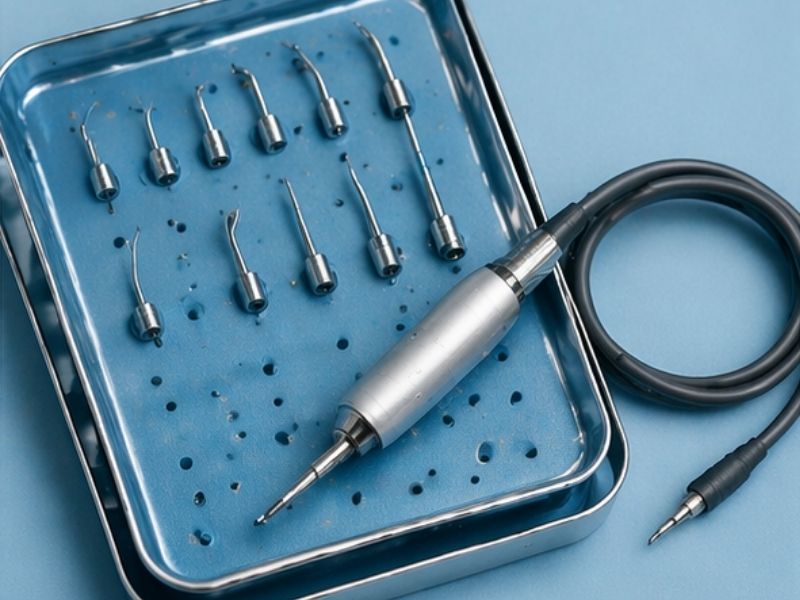
Piezo rhinoplasty is a rhinoplasty technique in which the nasal bones are shaped with the help of a special device working with ultrasonic waves. The piezo device used in this method aims to reduce the risk of harming soft tissues while acting only on hard tissues.
In classical rhinoplasty methods, bone cutting procedures are performed with more mechanical tools, whereas in the piezo method these procedures can be carried out in a more controlled and precise manner. This may help make more predictable surgical planning, especially in patients whose nasal bones need to be arranged.
Rhinoplasty with the piezo method offers the surgeon the opportunity to work in more detail on the bone. In this way, the nasal dorsum can be shaped in a more balanced manner and it is aimed to achieve an appearance harmonious with the face.
How Is Piezo Rhinoplasty Performed?
Piezo rhinoplasty surgery is a surgical procedure performed under general anesthesia and specially planned for each patient. Before the surgery, the nasal bone structure, cartilage tissues, and facial proportions are evaluated together. At this stage, the nasal dorsum, nasal tip, and profile appearance are analyzed in detail and the changes to be made are determined.
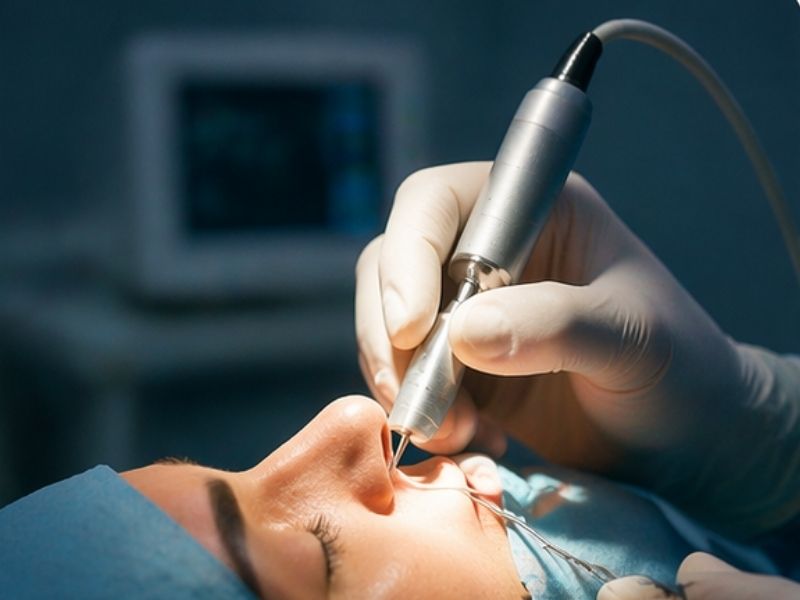
During the surgery, the nasal bones are shaped precisely using the piezo device. Since this device works with ultrasonic vibrations, it allows a controlled procedure on the bone tissues. Especially procedures such as correcting the nasal hump, thinning the bones, or repositioning them can be performed in a more predictable way.
According to the surgical plan, either open rhinoplasty or closed rhinoplasty techniques may be preferred. After the bone structure is arranged, the nasal tip and cartilage structures are also shaped in a way that will be harmonious with the face. At this stage, both the aesthetic and functional balance of the nose is tried to be preserved.
After the procedure is completed, a protective splint is placed on the nose. In some cases, materials supporting the inside of the nose may also be used. Mild edema and sensitivity may be seen in the first days after the surgery. As the healing process progresses, the shape of the nose becomes clearer.
What Is the Difference Between Piezo Rhinoplasty and the Classical Method?
Piezo rhinoplasty differs from classical rhinoplasty in the way the nasal bones are shaped. In the classical method, bone procedures are performed with more mechanical tools, whereas in the piezo technique a device working with ultrasonic vibrations is used. In this way, a more controlled procedure can be performed on the bone tissues.
Since the effect of the device in the piezo method is limited to bone tissues, there is an approach aimed at preserving the surrounding soft tissues. This may contribute to the tissues around the nose being affected less.
In addition, with the piezo technique, bone arrangements can be performed more precisely. This helps the nasal dorsum to be shaped in a more balanced way and supports the surgical plan being applied more predictably.
What Are the Advantages of Piezo Rhinoplasty?
Piezo rhinoplasty is a method that allows surgical planning to be applied in a more controlled way. Thanks to the working principle of the device used, more precise procedures can be performed on bone tissues. This may contribute to achieving a more balanced result, especially in shaping the nasal dorsum and bone structure. Some prominent features of this method are as follows:
- Allowing the bone tissues to be shaped in a controlled way
- Offering an approach aimed at preserving the surrounding soft tissues
- Allowing the surgical plan to be applied in a more predictable way
- Helping create a more balanced nasal dorsum and profile appearance
In addition, in rhinoplasty performed with the piezo method, the postoperative period may progress more comfortably in some patients. However, the healing process is different in every patient and may vary according to the extent of the procedure performed.
Who Is Piezo Rhinoplasty Suitable For?
Piezo rhinoplasty is one of the methods that can be preferred for people who require correction of the nasal bone structure and for whom a more controlled shaping is planned. In particular, this technique may be considered in patients who have a nasal hump, wide nasal bones, or marked asymmetry in the nasal structure.
In people who have not had nose surgery before, that is, in patients planned for primary rhinoplasty, the piezo method can be used frequently. However, in some cases it may also be preferred in revision rhinoplasty surgeries when more precise work on the bone structure is needed.
Whether this method is suitable is determined according to the patient's nasal structure, skin characteristics, and the planned surgical changes. Therefore, piezo rhinoplasty is evaluated not as a standard method for every patient, but as a technique preferred in suitable cases.
In addition, this method may be an option for people planning rhinoplasty and wanting the postoperative process to progress in a more controlled way. However, surgical planning is the determining factor when deciding which technique will be used.
Can a Natural Appearance Be Achieved with Piezo Rhinoplasty?
The aim in piezo rhinoplasty is to achieve a natural appearance while making the nasal structure harmonious with the face. The controlled operation of the device on the bone tissues may contribute to shaping the nasal dorsum and the general form in a more balanced way.
In order to achieve a natural result, not only the technique used but also surgical planning is important. The nasal dorsum, nasal tip, and nasal width are evaluated according to facial proportions. It is aimed that the changes made are not exaggerated and that the characteristic structure of the face is preserved.
Since the bone structure can be shaped more precisely during adjustments performed with the piezo method, smoother transitions can be created in the profile appearance. This may help the nose look more harmonious with the face.
How Is the Recovery Process After Piezo Rhinoplasty?
The recovery process after piezo rhinoplasty progresses in certain stages, although it varies depending on the extent of the surgical procedure and the person's tissue structure. The splint placed on the nose after the surgery is usually removed within the first week. During this period, the nasal structure has not yet fully settled and may look different because of edema.
In the first days, it is considered normal to have mild swelling and sensitivity in and around the nose. Since the bone tissues are processed in a more controlled way in procedures performed with the piezo method, it may be seen that this period is more comfortable in some patients. However, the healing process progresses differently in every patient.
After the first week, the swelling gradually begins to decrease. At the end of the first month, the shape of the nose becomes clearer, but edema may continue especially in the nasal tip area. From the third month onward, the nasal form begins to look more natural. There are some points that should be considered during the healing process:
- Protecting the nose area against impacts
- Resting with the head slightly elevated
- Avoiding heavy physical activities for a while
It may generally take a few months for the nasal structure to settle completely. During this period, the shape of the nose becomes more balanced over time.
- First Days After Piezo Rhinoplasty: In the first days after the surgery, there may be a feeling of fullness and mild congestion in the nose. This condition is usually caused by edema and is temporary. Resting and following the recommendations help the process progress more comfortably.
- Swelling and Bruising Process After Piezo Rhinoplasty: Swelling and bruising may be seen in the postoperative period. The edema, which is noticeable in the first weeks, decreases over time. Swelling at the nasal tip may take longer to resolve. As the edema decreases, the shape of the nose becomes clearer.
Yasal Uyarı:
Her cerrahi veya girişimsel işlemde sonuçlar kişiden kişiye değişiklik gösterebilir. İşlem öncesinde hekiminizden detaylı görüş almanız önerilir.