
Yasal Uyarı:
Her cerrahi veya girişimsel işlemde sonuçlar kişiden kişiye değişiklik gösterebilir. İşlem öncesinde hekiminizden detaylı görüş almanız önerilir.
Revision rhinoplasty is a corrective surgery performed for individuals who have previously undergone nasal aesthetics but require further intervention due to aesthetic deformities, functional issues, or loss of support in the nasal tip.
This surgery may require more delicate techniques than the initial surgery, as there may be scar tissue, loss of support, weakened cartilage, and asymmetries in the nose.
In recent years, Istanbul has become one of the cities with specialized centers for revision rhinoplasty. This is due to surgical experience, personalized planning, the use of imaging methods, modern surgical infrastructure, and a multidisciplinary working culture.
- Revision Rhinoplasty Approaches in Turkey
- 1) Case Experience
- 2) Technical Diversity and Modern Methods
- 3) Personalized Planning Approach
- 4) Multidisciplinary Approach
- 5) Increasing Interest from International Patients
- How is Revision Rhinoplasty Performed?
- 1) Examination and Digital Analysis
- 2) Use of Cartilage Sources if Needed
- 3) Open or Closed Technique Selection
- 4) Breathing Function Adjustment
- Frequently Asked Questions About Why Turkey is Preferred for Revision Rhinoplasty
Revision Rhinoplasty Approaches in Turkey
In Turkey, there are surgeons with varying levels of experience in revision rhinoplasty. Due to commonly used surgical techniques and a multidisciplinary approach, it is one of the countries with a high number of international patients seeking this surgery.
1) Case Experience
The high number of revision nose surgeries allows for working with various anatomical structures, contributing to surgeons gaining more experience.
2) Technical Diversity and Modern Methods
Many centers in Turkey use the following approaches:
- Cartilage reinforcement
- Rib/ear cartilage support
- Combination of open and closed techniques
- Simultaneous evaluation of functional and aesthetic structures
3) Personalized Planning Approach
The assessment process in revision rhinoplasty is personalized.
In this process:
- Skin thickness
- Loss of tissue from previous surgeries
- Cartilage reserves
- Breathing functions
are carefully analyzed.
4) Multidisciplinary Approach
Collaboration between ENT specialists, plastic surgery teams, and functional surgical clinics supports the planning process.
5) Increasing Interest from International Patients
The reason Istanbul is frequently chosen for revision rhinoplasty is the variety of cases, the use of modern surgical techniques, and the advanced planning processes.
How is Revision Rhinoplasty Performed?
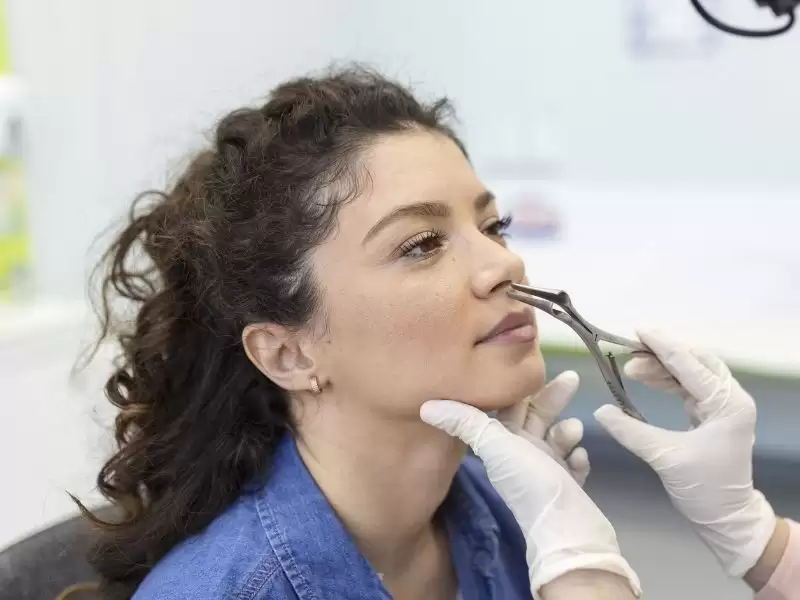
1) Examination and Digital Analysis
The following factors are analyzed during the evaluation:
- Nasal tip support
- Deviations
- Cartilage loss
- Asymmetry
- Breathing condition
2) Use of Cartilage Sources if Needed
In revision surgeries, cartilage support may be required.
Available sources include:
- Rib cartilage
- Ear cartilage
- Septal remnants
The amount of cartilage is determined based on the patient's needs.
3) Open or Closed Technique Selection
When choosing the technique:
- Skin thickness
- Nasal tip support
- Internal nasal structures
are evaluated.
4) Breathing Function Adjustment
One important part of revision rhinoplasty is the adjustment of the functional structure.
Frequently Asked Questions About Why Turkey is Preferred for Revision Rhinoplasty
When can revision rhinoplasty be performed?
Typically, it is evaluated at least 9–12 months after the initial surgery, when the tissues have healed.