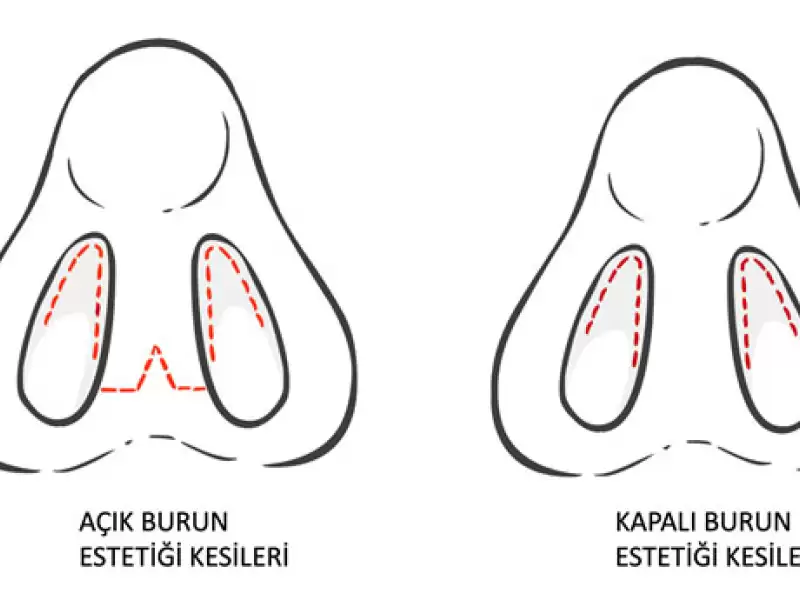
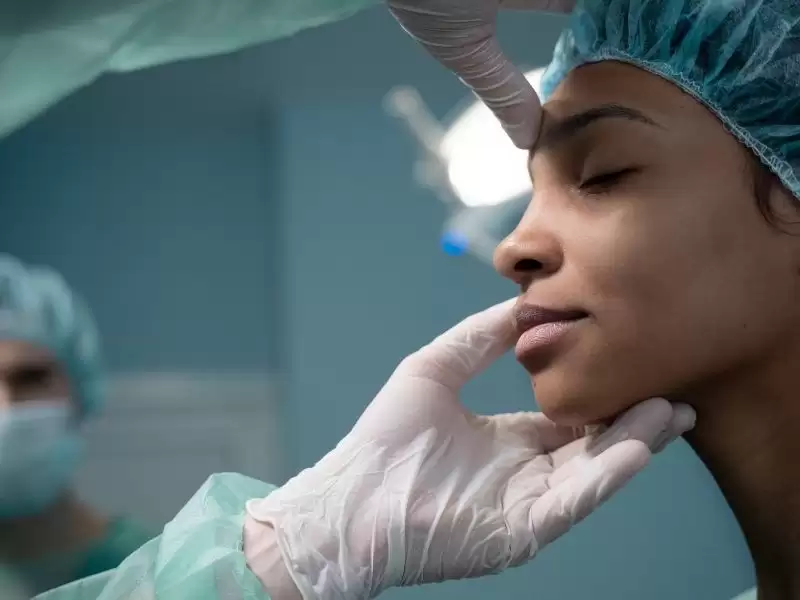
What is nasal aesthetics?
Nasal aesthetics, medically known as rhinoplasty, is a surgical procedure aimed at reshaping the nose's shape, size, and proportions to achi...
Bleeding after rhinoplasty is one of the most common concerns for patients. Not every bleeding seen after surgery indicates a complication. However, the amount, duration, and associated symptoms of bleeding are important in distinguishing between the normal healing process and situations that require attention.
This article discusses in detail the causes of bleeding after rhinoplasty, what amount is considered normal, how long it can last, and when to consult a doctor, all within a medical framework.
Yes. Light and seepage-like bleeding is expected after rhinoplasty. The nose is a vascular area, so it is normal to see small amounts of bleeding after surgery.
Especially:
Bleeding seen during these times is generally a part of the normal healing process.
The main causes of bleeding after rhinoplasty are:
Operations on the nasal mucosa and soft tissues during surgery can cause small blood vessels to open.
The nasal tissues are swollen and sensitive after surgery; even small touches can lead to bleeding.
In the early postoperative period, elevated blood pressure may increase bleeding.
Sudden increases in pressure can affect the blood vessels in the nose.
This type of bleeding typically decreases and stops on its own.
These situations require evaluation.

A general timeline is as follows:
Yes.
After the removal of the tampons:
The following conditions can increase bleeding during the postoperative period:
Avoiding these factors is recommended in the first week.
Medical evaluation is needed in the following situations:
These situations are rare, but should not be ignored.
Most of the time, no.
Light and short-lasting bleeding are expected and temporary conditions after rhinoplasty.
bleeding should occur.
No.
Bleeding within normal limits:
What is important is that the process is managed in a controlled and informed manner.
Light bleeding in the nose after rhinoplasty is often normal.
Especially seepage-like bleeding seen in the first 1–2 days is a natural part of the healing process.
However:
should be closely monitored.
Healthy recovery after rhinoplasty is possible with an informed patient, proper care, and timely medical evaluation when needed.
One of the most common questions patients ask after rhinoplasty is “When will the final result be visible?”. Rhinoplasty is not a procedure that shows immediate results; it is a surgical process that matures and settles over time. Therefore, the appearance seen in the early postoperative period does not represent the final result.
This article discusses in detail what the final result means in rhinoplasty, what factors it depends on, and when it can be properly assessed.
The final result refers to:
At this stage, the nose:
This time varies depending on the individual and the structure of the nose.
Especially in thick-skinned noses, the final result appears later.
The more comprehensive the surgery, the longer the recovery process.
However, there is no significant difference in terms of final result time.
These vary from person to person.
directly affects the final result.
Most of the time, no.
In the early period:
These are very common and temporary.
These findings are mostly due to:
They are temporary and will subside over time.
For a realistic evaluation:
Early evaluations may cause unnecessary anxiety.
In a successful final result:
In most patients, no.
The need for revision:
Revision is not planned until the final evaluation is made.
Rhinoplasty:
Especially the nose tip is the last part to settle.
Patients with patience tend to have higher satisfaction rates.
The final result of rhinoplasty does not appear immediately after surgery;
Generally:
The real success of rhinoplasty is hidden not in the early appearance, but in the natural and balanced result that emerges over time.
Rhinoplasty Aftercare
The recovery process after rhinoplasty is just as important as the surgery itself. During this period, protecting the nose from trauma and positioning the head correctly plays a crucial role in maintaining both the aesthetic result and the functional healing process. Even a small blow in the early stages can negatively affect the healing process.
This article discusses in detail the risks of nasal trauma after rhinoplasty, prevention methods, and correct sleeping positions in a practical and informative way.
In the post-surgical period, the nose:
For this reason, the nose is more vulnerable to external influences, especially during the first few weeks and months.
The Most Common Nasal Traumas
Trauma after rhinoplasty often occurs unknowingly.
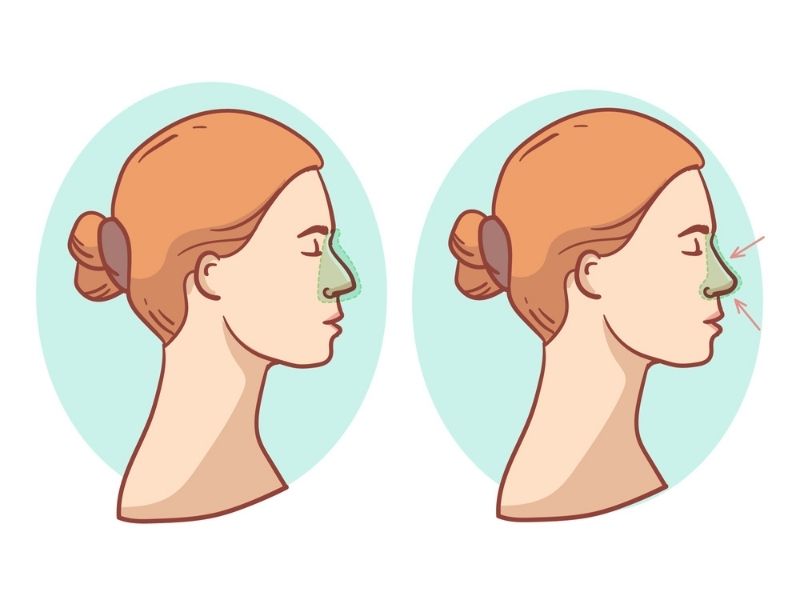
Most minor contact does not create permanent problems, but care should be taken in the early stages.
These actions may increase the risk of trauma.
The Correct Position: Supine (Lying on the Back)
This position:
How to Adjust Head Height?
This height helps:
Side sleeping can:
It is recommended to avoid side sleeping in the first 2–3 weeks.
Face-Down Sleeping Should Definitely Be Avoided
Face-down sleeping:
It should definitely be avoided after rhinoplasty.
These methods can reduce unintentional turning.
General recommendations:
Bone healing typically strengthens within 6–8 weeks, but complete stability is achieved over time.
Early control in doubtful situations prevents unnecessary anxiety.
Protecting the nose from trauma after rhinoplasty is essential for a successful and lasting result.
The correct sleeping position and simple precautions during daily activities:
The recovery process after rhinoplasty starts with proper protection and conscious behavior, not just the surgery itself.
Yasal Uyarı:
Her cerrahi veya girişimsel işlemde sonuçlar kişiden kişiye değişiklik gösterebilir. İşlem öncesinde hekiminizden detaylı görüş almanız önerilir.
Nasal aesthetics, medically known as rhinoplasty, is a surgical procedure aimed at reshaping the nose's shape, size, and proportions to achi...

Rhinoplasty and eyelid aesthetics can be planned during the same surgical process under suitable health conditions. ...