

Rhinoplasty, medically known as rhinoplasty, is a surgical procedure performed in a planned and controlled manner. One of the important stages of this process is anesthesia. Anesthesia process is considered in three main stages: preoperative evaluation, administration during the surgery, and recovery after surgery. The goal is to ensure that the patient experiences the surgical process in a comfortable, safe, and controlled manner.
- Which Types of Anesthesia Are Used in Rhinoplasty?
- What is General Anesthesia?
- Preoperative Anesthesia Evaluation
- Preoperative Fasting Period
- Anesthesia Process During Surgery
- Post-Surgery Awakening Process
- First Few Hours After Anesthesia
- Anesthesia Safety and Risks
- Does Anesthesia Affect the Result of Rhinoplasty?
- Conclusion
Which Types of Anesthesia Are Used in Rhinoplasty?
The most commonly preferred method in rhinoplasty is general anesthesia. The main reason for this is to ensure both patient comfort and the surgeon's ability to work with precision and control on both the internal and external nasal structures.
In some limited and minor interventions, local anesthesia + sedation may also be considered for appropriate patients. However, general anesthesia is the standard approach in classic rhinoplasty procedures.
What is General Anesthesia?
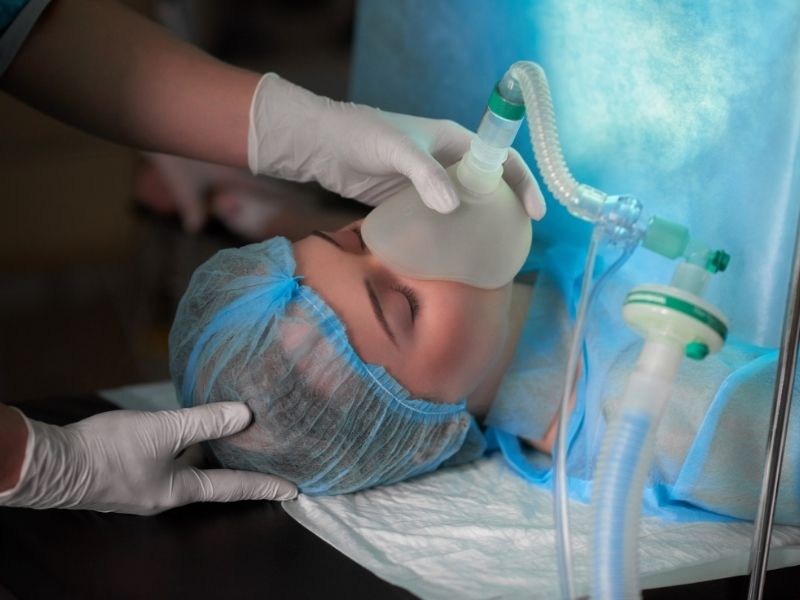
General anesthesia is a method where the patient is fully asleep during the surgery, unable to feel pain, and unresponsive to external stimuli. Respiratory, heart rate, and other vital functions are continuously monitored by the anesthesia team.
Rhinoplasty reasons for choosing general anesthesia:
- Complete control of patient movement
- Safe management of the airway
- Stability during long and detailed surgical procedures
- Increased patient comfort
Preoperative Anesthesia Evaluation
The anesthesia process begins before the surgery day. In this phase, the patient’s general health condition is evaluated in detail.
In this evaluation:
- Previous surgeries
- Medications used
- Allergy history
- Chronic diseases
- Respiratory and heart system condition
are reviewed. If necessary, additional tests may be planned. The goal is to ensure that anesthesia is applied in a personalized and safe manner.
Preoperative Fasting Period
For patients who will undergo general anesthesia, a specific period of fasting is necessary to reduce the risk of stomach contents entering the airways.
Typically:
- No solid food intake after the time specified before the surgery
- Limiting liquid intake
is recommended. This period is an important step for anesthesia safety.
Anesthesia Process During Surgery
On the day of the surgery, once the patient is taken into the operating room, the anesthesia team begins monitoring. With general anesthesia, the patient is put to sleep.
At this stage:
- Breathing is controlled
- Heart rate, blood pressure, and oxygen levels are continuously monitored
- The depth of anesthesia is adjusted throughout the surgical process
The anesthesia team ensures the patient’s safety continuously throughout the surgery.

Post-Surgery Awakening Process
After the surgical procedure is completed, the anesthesia medications are gradually reduced, and the patient is awakened. This period is called the awakening (recovery) phase.
During the awakening process:
- Light dizziness may occur
- Dry mouth
- Light throat irritation
These symptoms are usually temporary and will diminish over time.
First Few Hours After Anesthesia
After surgery, the patient is kept under observation for a period. During this time:
- Vital signs are monitored
- Nausea or dizziness is controlled
- Pain management is provided
Once the patient stabilizes, they are transferred to the normal ward.
Anesthesia Safety and Risks
Today, the anesthesia methods used during rhinoplasty have high safety standards, thanks to modern monitoring and equipment. Anesthesia risks are assessed based on the patient’s general health, age, and additional diseases.
Therefore, the detailed anesthesia evaluation before surgery is one of the most important steps in the process.
Does Anesthesia Affect the Result of Rhinoplasty?
Anesthesia does not directly determine the aesthetic outcome of rhinoplasty. However:
- It allows the surgeon to work comfortably and with control
- It ensures the surgery proceeds smoothly and stably
- It maintains the patient's comfort
Indirectly, it affects the quality of the process.
Conclusion
Rhinoplasty anesthesia process consists of preoperative evaluation, safe administration during surgery, and controlled awakening after surgery. General anesthesia is the most commonly preferred method in rhinoplasty and increases patient comfort.
A well-planned anesthesia process contributes to the safe, controlled, and predictable progress of the rhinoplasty surgery. Anesthesia is an integral part of rhinoplasty and an important element that supports the success of the surgical process.
Yasal Uyarı:
Her cerrahi veya girişimsel işlemde sonuçlar kişiden kişiye değişiklik gösterebilir. İşlem öncesinde hekiminizden detaylı görüş almanız önerilir.