
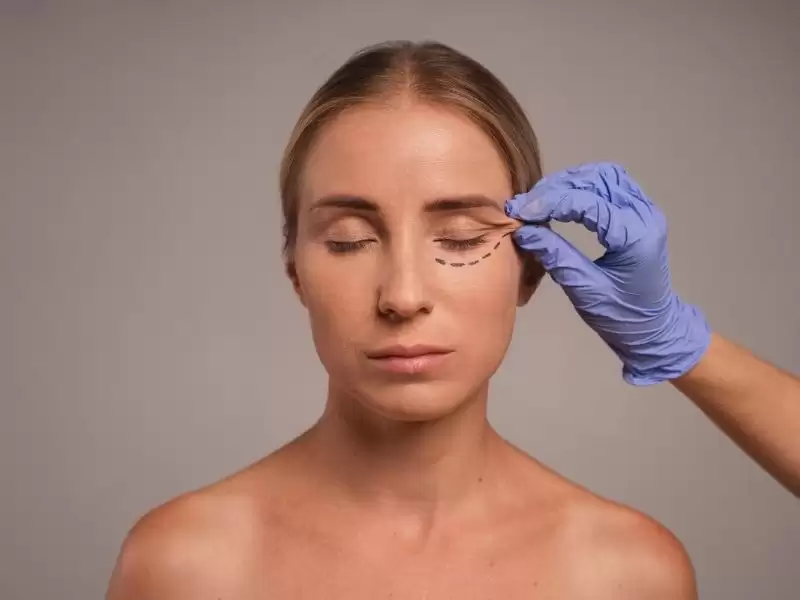
Cat Eye Surgery
Cat eye aesthetics, which is thought to create a deeper-looking gaze and a different facial expression, has become one of the frequently pre...

A facelift is a surgical procedure performed after evaluating signs of aging in the face, neck, and jawline areas. Aimed at reducing skin sagging and wrinkles, this procedure is one of the commonly preferred methods in aesthetic surgery. Another name for facelift surgery is “rhytidectomy.” With this operation, three areas—the face, neck, and jaw—may be addressed together. A facelift is performed to reposition the skin and muscular tissues of the face and neck into a more youthful alignment.
Through the surgical procedure, the underlying muscular tissues are reshaped, and the goal is to achieve a tighter, more lifted facial appearance. A facelift can be performed using many different techniques. The patient’s needs are taken into consideration, and the procedure is planned accordingly.
In facelift surgery, small incisions are made in front of or behind the ear to access the underlying connective tissue, loosened tissues, and muscles, and then reshaping is performed. In this way, the muscles and tissues are moved to a more appropriate position. The skin is tightened, and any excess skin can be removed if needed.
Facelift surgery is generally not an operation that causes significant pain. For most people, the first days after surgery are manageable. The issues that may cause discomfort are usually bruising and swelling. Although these complaints vary from person to person, they may decrease over time.

With the classic facelift technique:
The incisions may be visible at first, but they become less noticeable as the healing process progresses.
With the endoscopic technique:
The incisions are made within the hairline, so they may not be visible from the outside.

As the name suggests, a mini facelift is a more limited procedure. It may be performed in the early and mild stages of facial aging. Although the surgical process is similar to a facelift, its area of effect is more limited, and the neck area is not included in this technique.
An overnight stay may be recommended after surgery. If drains are used, they are typically removed on the second day.
After approximately 2 days of rest, daily activities may be resumed.
A decrease in bruising and swelling may begin within 2–4 days.
By the end of one week, many patients can return to work.
Noticeable results of the operation typically appear within a few weeks.
Yasal Uyarı:
Her cerrahi veya girişimsel işlemde sonuçlar kişiden kişiye değişiklik gösterebilir. İşlem öncesinde hekiminizden detaylı görüş almanız önerilir.
Cat eye aesthetics, which is thought to create a deeper-looking gaze and a different facial expression, has become one of the frequently pre...
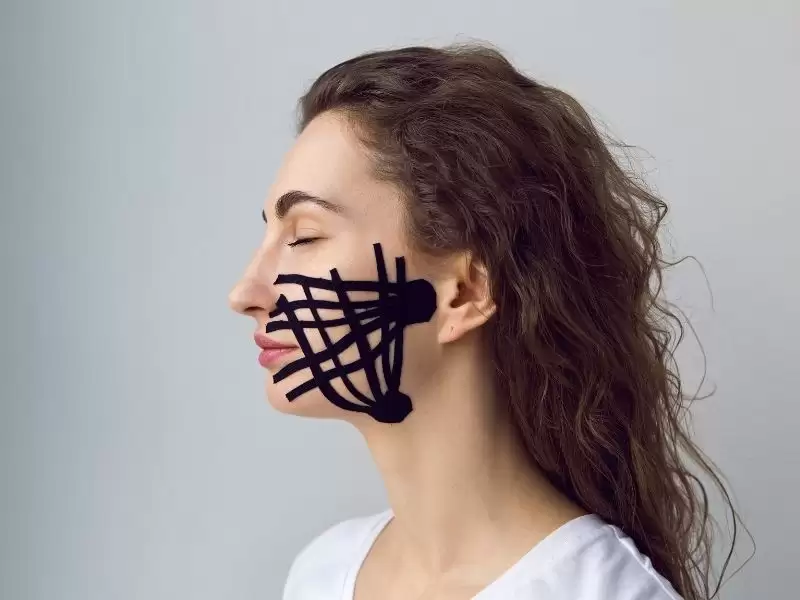
Facial bones are among the structures frequently affected in traumatic injuries. A zygomatic (cheekbone) fracture is one of the fractures th...

Non-surgical facelift is one of the medical aesthetic procedures aimed at reducing the appearance of skin sagging and looseness without the ...