
Rhinoplasty and prominent ear surgery can be performed in the same session in suitable patients. Rhinoplasty aims to reshape the nasal structure from both aesthetic and functional perspectives. Otoplasty is performed when the ear cartilage appears noticeably separated from the head, with the aim of positioning the ear in a more natural and balanced way. Since the two procedures are performed on different anatomical areas, they can be considered within the same surgical process in patients whose general health condition and anesthesia suitability are appropriate. Some patients planning rhinoplasty in Istanbul may also be uncomfortable with the prominent appearance of their ears in addition to the appearance of their nose. The nose and ears are two important structures that affect facial expression. Therefore, performing rhinoplasty and prominent ear surgery together may help facial proportions be evaluated in a more balanced way. However, this decision should not be based only on aesthetic expectations; it should also be made according to surgery duration, recovery process, the patient’s age, general health condition and whether expectations are realistic.
Can Rhinoplasty and Otoplasty Be Performed in the Same Session?
Rhinoplasty and otoplasty can be performed in the same session. Since these two procedures are applied to different areas, the surgical fields do not directly overlap. While rhinoplasty focuses on the nasal bone, cartilage structure, nasal bridge and nasal tip; otoplasty regulates the shape of the ear cartilage, its angle and its relationship with the head.
Performing the two surgeries together is especially considered in patients who are uncomfortable with both the appearance of their nose and the appearance of prominent ears. In this way, instead of undergoing two separate surgeries and two separate recovery periods, the person can have two different areas related to facial aesthetics evaluated within the same period through a single surgical plan under suitable conditions.
In Which Cases Are Rhinoplasty and Prominent Ear Surgery Planned Together?
Rhinoplasty and prominent ear surgery can be planned together if the patient has aesthetic concerns related to both the nose and the ears in facial appearance. If conditions such as a nasal hump, drooping nasal tip, nasal deviation, wide nose or nasal asymmetry are accompanied by a prominent ear appearance, the two procedures can be evaluated within the same surgical process.
Prominent ear appearance can become noticeable in some people from childhood and may continue to cause aesthetic discomfort in adulthood. If a patient applying for rhinoplasty also has expectations regarding ear appearance, facial proportions can be evaluated as a whole during the preoperative assessment. This approach helps assess the overall harmony of the face rather than focusing only on a single area.

How Does Performing Two Surgeries Together Affect Facial Proportions?
The nose is located in the midline of the face and is at the center of facial expression. The ears define the lateral borders of the face. When the shape of the nose changes, the overall perception of the face may also change. The prominent position of the ears can also create a noticeable appearance, especially from the front and side views.
When rhinoplasty and otoplasty are planned together, the aim is to achieve a more balanced appearance in different areas of the face. This does not mean that both structures will undergo major changes at the same time. The main goal is to create a natural and balanced plan suitable for the person’s facial structure. Therefore, the patient’s expectations should be evaluated in detail during the preoperative consultation.
Who May Be Suitable for Rhinoplasty and Otoplasty?
Rhinoplasty and otoplasty can be evaluated together in people who are uncomfortable with the shape of their nose and also complain about the prominent appearance of their ears. If aesthetic expectations such as a nasal hump, drooping nasal tip, nasal deviation, nasal asymmetry or wide nose are accompanied by a prominent ear appearance, combined surgery may be considered.
For this planning, it is important that the patient is suitable for general anesthesia, can correctly follow the postoperative care process and has realistic expectations. Since ear development is largely completed during childhood, otoplasty can be performed at earlier ages. However, nasal development must be completed for rhinoplasty. Therefore, the age range for performing both surgeries together should be carefully evaluated, especially in young patients.

Who May Not Be Recommended for Rhinoplasty and Prominent Ear Surgery?
Performing both procedures in the same session may not be suitable for patients who carry risks in terms of general anesthesia, have an active infection, have health problems that may affect wound healing or may have difficulty complying with postoperative care recommendations. In addition, planning a comprehensive combined surgery for only a minor aesthetic concern is not always necessary.
In some patients, rhinoplasty may be planned first and otoplasty at a later stage. In some patients, only otoplasty or only rhinoplasty may be sufficient. This distinction should be made by considering the patient’s facial structure, expectations, risks related to prolonged surgery duration and recovery comfort.
Advantages of Rhinoplasty and Prominent Ear Surgery and Points to Consider
|
Advantages |
Points to Consider |
|
The appearance of the nose and ears can be evaluated within the same surgical process. |
The surgery duration may be longer compared to a single procedure. |
|
Two different aesthetic procedures can be completed with a single anesthesia. |
There may be sensitivity in both the nose and ear areas during the first days. |
|
Instead of two separate recovery periods, a single recovery process can be experienced. |
More care should be taken regarding sleeping position and protecting the head area. |
|
Facial proportions can be evaluated more holistically. |
An ear band and nasal splint may be used during the same period. |
|
The return to work and social life can progress in a more planned way. |
It is not suitable for every patient; the decision should be made individually. |
How Is the Preoperative Evaluation Performed Before Rhinoplasty and Prominent Ear Surgery?
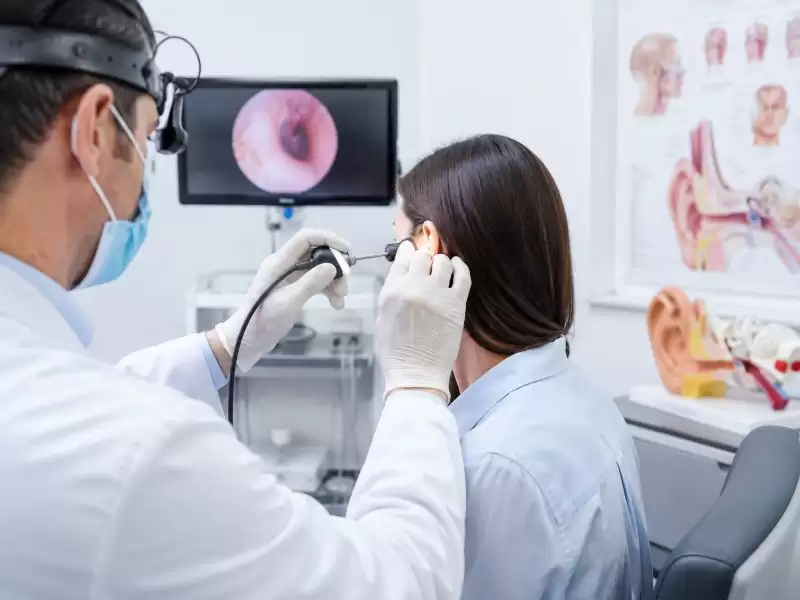
Before rhinoplasty and prominent ear surgery, the nasal structure, the angle of the ear cartilage, facial proportions and the patient’s expectations are evaluated together. For rhinoplasty, the nasal bridge, nasal tip, nasal wings, nostrils and breathing function are examined. For otoplasty, the angle between the ears and the head, symmetry between both ears, the prominence of ear folds and the general shape of the ear cartilage are evaluated.
Whether the patient has previously undergone nose or ear surgery, history of trauma, general health condition and regularly used medications are also considered in planning. In patients considering rhinoplasty in Istanbul and otoplasty, this process should be evaluated not only in terms of aesthetic appearance but also in terms of postoperative care and recovery comfort.
Recovery Process After Rhinoplasty and Otoplasty
When rhinoplasty and prominent ear surgery are performed together, the recovery process involves two different areas. After rhinoplasty, swelling, bruising, nasal congestion and tenderness may occur around the nose. After otoplasty, mild pain, tightness, swelling and contact sensitivity may develop around the ears.
In the first days, it is important to protect the head area from impacts. A special bandage or ear band may be used to protect the ears. If a splint or tape application has been placed for the nose, these should also be protected in accordance with the physician’s recommendations. Sleeping position becomes important during this period; lying in a way that does not put pressure on either the nose or ear area may improve recovery comfort.

Return to Social Life After Rhinoplasty and Prominent Ear Surgery
The time required to return to social life varies depending on the scope of the procedures performed and the person’s healing rate. After otoplasty, noticeable sensitivity around the ears is usually greater during the first days. After rhinoplasty, swelling and bruising around the nose may decrease at different rates from person to person.
In combined surgeries, it is important for the patient not to rush the recovery process. Return to work, sports, use of glasses, hair washing, use of an ear band and nasal care practices should be planned according to the physician’s recommendations. Regular follow-ups during this process help monitor the healing of both the nose and ear areas properly.
Can Rhinoplasty and Prominent Ear Surgery Be Performed in Istanbul?
Yes, rhinoplasty and prominent ear surgery can be evaluated in the same session in Istanbul. In patients planning rhinoplasty who are also uncomfortable with the prominent appearance of their ears, a surgical plan that evaluates facial proportions together can be created. In this process, nasal structure, ear angle, facial balance, anesthesia suitability and recovery process should be considered together.
For patients considering rhinoplasty and otoplasty in Istanbul, the important point is that performing the two procedures at the same time is not always necessary. The suitability decision should be made individually. While a combined procedure may provide advantages for some patients, planning the surgeries at separate times may be more appropriate for others.
Yasal Uyarı:
Her cerrahi veya girişimsel işlemde sonuçlar kişiden kişiye değişiklik gösterebilir. İşlem öncesinde hekiminizden detaylı görüş almanız önerilir.