
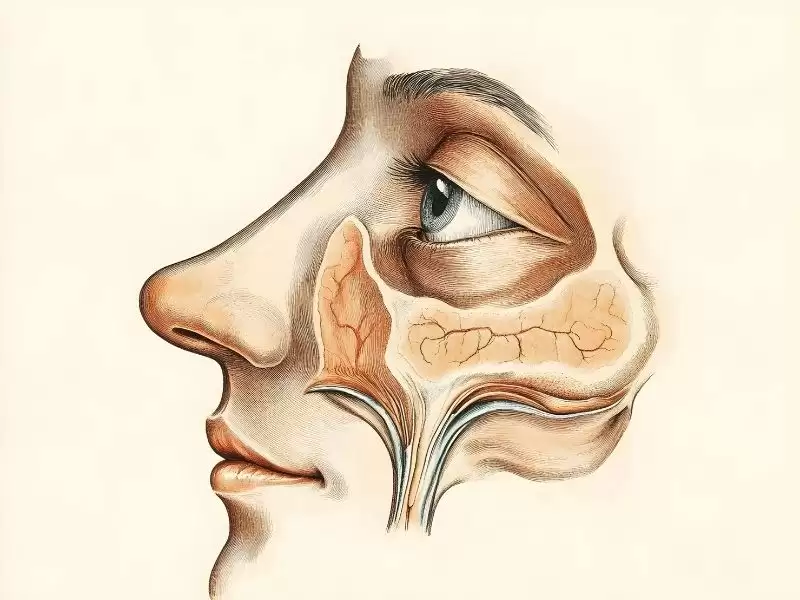
Rhinoplasty and eyelid aesthetics can be planned during the same surgical process under suitable health conditions. While rhinoplasty aims to make the nose shape compatible with the face, blepharoplasty is performed to correct problems such as excess skin on the upper or lower eyelids, bags and a tired appearance. When these two procedures are evaluated together, the nose, eye area and facial expression can be addressed more holistically. Some people considering rhinoplasty in Istanbul may also be bothered by eyelid drooping, excess skin or under-eye bags in addition to the appearance of the nose. Since the nose is at the center of the face and the eye area is decisive in the expression of the gaze, changes in these two areas can directly affect facial perception.
Can Rhinoplasty and Blepharoplasty Be Planned in the Same Surgery?
Rhinoplasty and blepharoplasty can be planned during the same surgical process. Since these two procedures are performed on different areas of the face, their surgical goals are separate from each other. Rhinoplasty focuses on the nasal bone, cartilage structure, nasal bridge and nasal tip, while blepharoplasty deals with eyelid skin, fat tissue and signs of aging around the eyes.
This combination comes to the agenda especially in people who are planning nose aesthetics and are also bothered by a tired appearance around the eyes. The aim is not only to change a single area of the face, but to evaluate the person’s overall facial expression in a more balanced way. For this reason, the nasal structure, eye area, eyebrow position, skin elasticity and facial proportions should be examined together before surgery.

Why Can Blepharoplasty Be Considered Together with Rhinoplasty?
The nose and eye area are two important areas that complement each other in facial expression. While changes in the nose shape affect the center of the face, eyelid aesthetics can help reduce a tired, droopy or aged appearance in the gaze. For this reason, in some patients, rhinoplasty alone may not meet the person’s expected overall facial rejuvenation.
If there is excess skin on the upper eyelid, a feeling of eyelid drooping, under-eye bags or a visibly tired appearance around the eyes, blepharoplasty can be evaluated within the same plan as rhinoplasty. In this way, the midline of the face and the gaze area are addressed together. This approach may be meaningful for people who aim for a more harmonious and natural appearance instead of an exaggerated change.
In Which Cases Can Performing Them Together Be Considered?
Rhinoplasty and eyelid aesthetics can be considered together in people who have clear expectations about both the nose appearance and the eye area. If complaints such as a nasal hump, droopy nasal tip, nasal deviation or nasal width are accompanied by excess eyelid skin, under-eye bags or a tired expression in the gaze, both procedures can be evaluated in the same process.
It is important to analyze the nose and eye area together, especially in people who want a fresher, more balanced and harmonious facial appearance. This is because rhinoplasty changes the center of the face, while blepharoplasty affects the expression of the gaze. Evaluating these two areas within the whole face rather than separately helps create a more accurate plan.
Who Can Be Suitable for Rhinoplasty and Eyelid Aesthetics?
In people who are bothered by the shape of their nose and also have upper eyelid excess or lower eyelid bags, rhinoplasty and blepharoplasty can be evaluated together. Excess skin on the eyelids may be only an aesthetic concern in some people, while in others it may also affect the field of vision. This distinction should be determined during the examination.
For this combination of procedures, the person’s general health condition must be suitable for surgery. Medications that increase the risk of bleeding, dry eye, thyroid diseases, eye pressure, skin structure and previous procedures around the eyes must be evaluated. On the rhinoplasty side, nasal structure, breathing status, cartilage support and aesthetic expectations are taken into account.
Who May Not Be Recommended for Rhinoplasty and Blepharoplasty?
In people who carry risks in terms of general anesthesia, have uncontrolled health problems, active eye infection or severe dry eye, the surgical plan may be postponed. Patients using blood-thinning medications should also be evaluated more carefully before surgery. Only the relevant physicians should decide whether these medications will be stopped.
A combined aesthetic surgery plan may also not be appropriate for people with unrealistic expectations. Rhinoplasty and blepharoplasty can provide changes in facial expression; however, they do not completely transform the person’s entire facial structure. Therefore, expectations should be clear and realistic before surgery.
What Is Evaluated When Rhinoplasty and Eyelid Aesthetics Are Performed Together?
| Evaluated Area | Why Is It Important? |
|---|---|
| Nasal bridge and nasal tip | It affects the aesthetic balance at the center of the face. |
| Excess upper eyelid skin | It can create a tired or droopy appearance in the gaze. |
| Lower eyelid bags | It can create an aged or sleepless expression around the eyes. |
| Eyebrow position | It can affect the eyelid aesthetics plan. |
| Skin elasticity | It is one of the factors affecting healing in both the nose and eye area. |
| Breathing status | The internal nasal airway should also be evaluated when planning rhinoplasty. |
How Is Preoperative Planning Done for Rhinoplasty and Eyelid Aesthetics?
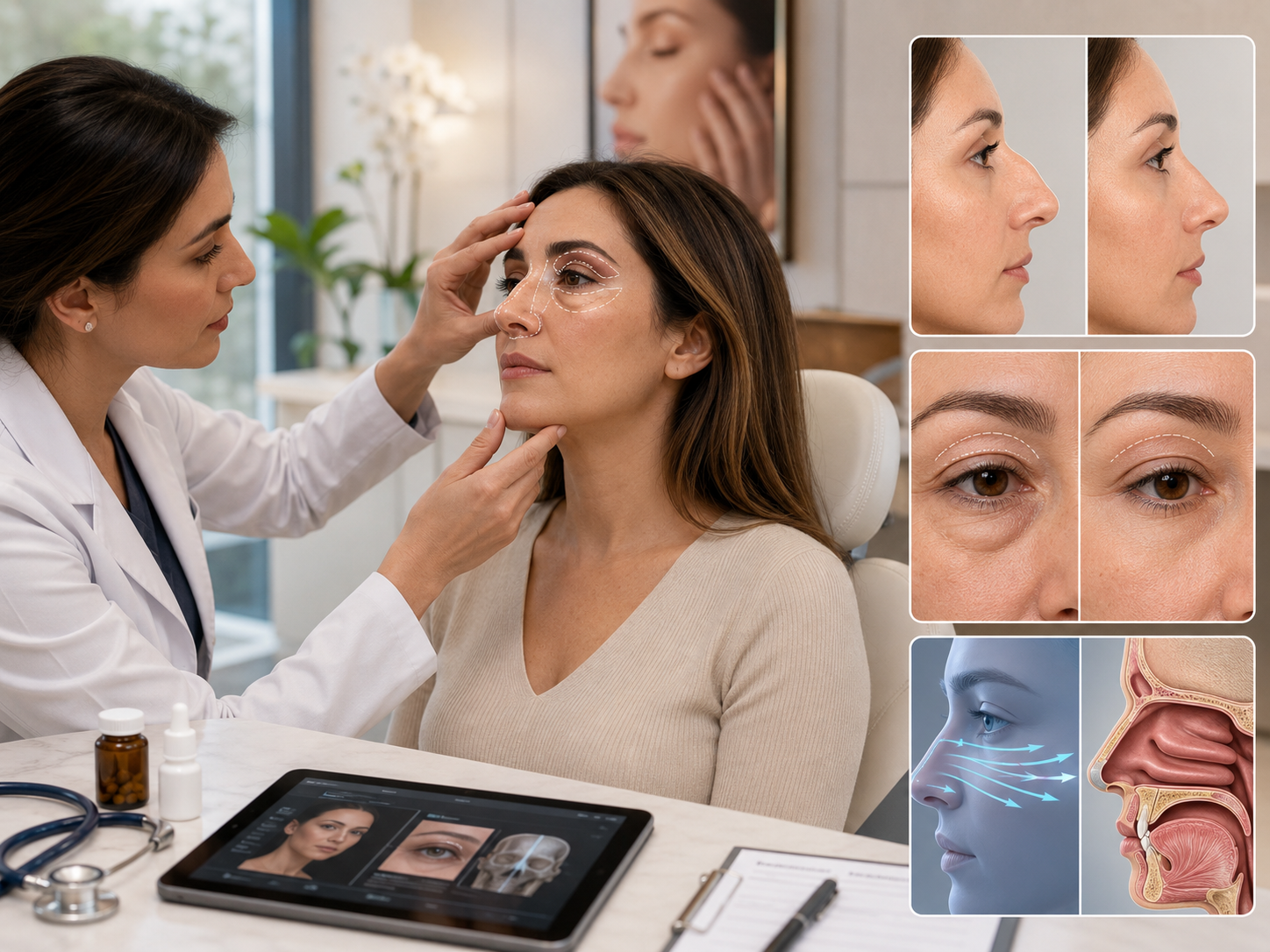
Before rhinoplasty and eyelid aesthetics, facial analysis is performed in detail. Nasal structure, eyelid skin, under-eye tissues, eyebrow position and facial proportions are evaluated together. The amount of excess skin on the upper eyelid, whether there is fat bagging in the lower eyelid and whether there is asymmetry around the eyes are examined.
In terms of rhinoplasty, the nasal bridge, nasal tip, nasal wings, nostrils and breathing status are evaluated. In patients planning rhinoplasty in Istanbul and blepharoplasty, this process should be carried out not only through photographs but also by considering the dynamic facial expression, gaze structure and the patient’s daily complaints.
Recovery Process After Rhinoplasty and Blepharoplasty
When rhinoplasty and eyelid aesthetics are performed in the same process, swelling, bruising, a feeling of fullness around the nose and a temporary decrease in breathing comfort may occur in the early period. After blepharoplasty, swelling around the eyes, discoloration, mild tightness and sensitivity to touch may be seen. In most patients, these effects gradually decrease as healing progresses.
In the first days, it is important to keep the head elevated, avoid pressure on the eye area, protect the nose area from impacts and follow the care practices recommended by the physician. Bruising and swelling around the eyes may be noticeable in many people during the same period as swelling around the nose. Therefore, the return to social life may vary from person to person.

When Can You Return to Social Life After Rhinoplasty and Eyelid Aesthetics?
The time required to return to daily life after rhinoplasty and blepharoplasty may vary from person to person depending on the details of the surgery and the healing speed of the tissues. In the first weeks, swelling around the nose, bruising around the eyes and sensitivity may be more noticeable. During this period, the timing determined by the physician should be followed for glasses use, makeup application, exercise, strenuous activities and procedures that may involve contact with the facial area.
While some people can return to daily life in a short time, swelling may take longer to decrease in others. The final shape of the nose settles over months. In eyelid aesthetics, the appearance around the eyes usually recovers earlier; however, complete tissue healing should be awaited for the final evaluation.
Frequently Asked Questions About Rhinoplasty and Eyelid Aesthetics
Yasal Uyarı:
Her cerrahi veya girişimsel işlemde sonuçlar kişiden kişiye değişiklik gösterebilir. İşlem öncesinde hekiminizden detaylı görüş almanız önerilir.