

Bruising and Swelling (Edema) After Rhinoplasty
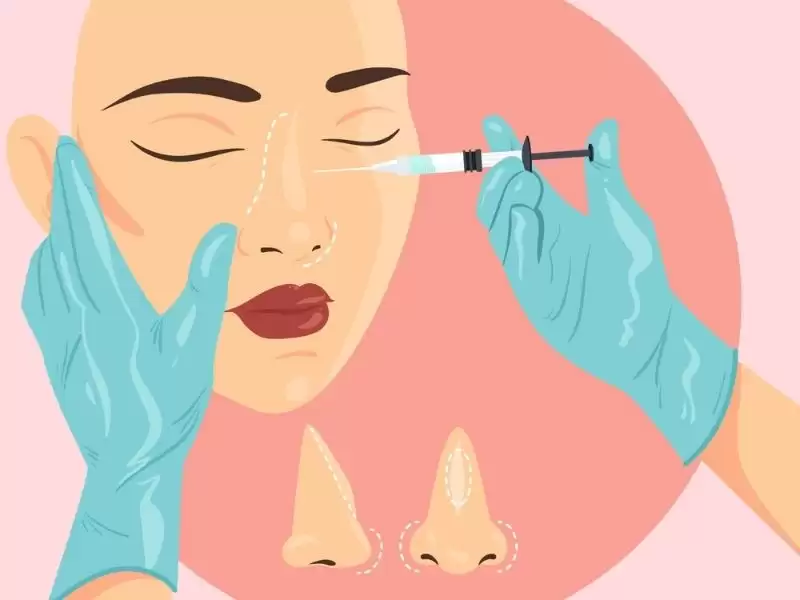
Rhinoplasty (nose aesthetic surgery) leads to bruising and swelling, which are natural and temporary responses of the body to surgical intervention. This does not occur at the same level in every patient; its severity and duration may vary depending on personal factors and the surgical technique applied.
- Bruising and Swelling (Edema) After Rhinoplasty
- Why Does Bruising Occur After Rhinoplasty?
- Why Does Edema (Swelling) Occur After Rhinoplasty?
- How Long Does Swelling Last?
- Who Might Experience Longer Swelling?
- Factors Affecting Bruising and Swelling
- What Should Be Considered During the Post-Surgery Period?
- Are Bruising and Swelling Permanent?
- Conclusion:
Why Does Bruising Occur After Rhinoplasty?
Bruising (ecchymosis) develops as a result of the intervention on the nose bones and surrounding soft tissues, which affects small blood vessels. It is most commonly observed under the eyes and in the upper cheek areas.
Factors that affect the severity of bruising:
- Whether or not intervention was made to the nose bones
- The surgical technique used
- Skin type and vascular sensitivity
- Personal recovery capacity
Bruising is usually prominent during the first 3–5 days and significantly disappears within 7–14 days.

Why Does Edema (Swelling) Occur After Rhinoplasty?
Edema occurs as a result of fluid retention in the tissues due to the trauma caused during surgery. After rhinoplasty, it is most commonly seen in the nose, nose tip, and the area around the eyes.
The formation of edema:
- Is part of a normal healing process
- Is a result of the body’s self-healing mechanism
Swelling decreases gradually over time.
How Long Does Swelling Last?
The general recovery process is as follows:
- First week: Swelling and edema are most pronounced
- 2–4 weeks: Most swelling subsides
- 1–3 months: Minor edema may persist
- 3–12 months: Nasal tissues reach their final form
Swelling in the nose tip area tends to resolve more slowly compared to other areas.
Who Might Experience Longer Swelling?
In some patients, swelling is expected to last longer:
- People with thick skin on their noses
- Cases with more extensive surgical intervention
- Patients undergoing revision rhinoplasty
- Individuals with slow lymphatic drainage
However, this does not usually indicate a permanent issue.
Factors Affecting Bruising and Swelling
- Surgical technique and tissue-preserving approach
- Surgery duration
- Patient’s age and skin type
- Compliance with post-surgery instructions
Each patient’s healing process progresses differently.
What Should Be Considered During the Post-Surgery Period?
To help control swelling and bruising, the following precautions are generally recommended:
- Keep the head elevated during the first few days
- Avoid sudden bending and heavy physical activities
- Limit salt intake
- Protect from the sun during the first weeks
Patience is important during this process, as it is essential to accept the natural course of recovery.
Are Bruising and Swelling Permanent?
Bruising and swelling after rhinoplasty are not permanent. Over time, the body’s tissues regenerate, and the nose shape gradually becomes more defined. Final results typically emerge within months.
Conclusion:
Bruising and swelling after rhinoplasty are expected and temporary parts of the healing process. Their severity and duration vary from person to person. With proper surgical planning, tissue-preserving techniques, and a patient recovery process, these effects gradually subside, and the nose regains its natural form.
The post-rhinoplasty process requires the recovery period to be managed carefully and consciously as much as the surgery itself.
Yasal Uyarı:
Her cerrahi veya girişimsel işlemde sonuçlar kişiden kişiye değişiklik gösterebilir. İşlem öncesinde hekiminizden detaylı görüş almanız önerilir.