

A Nose That Smiles When You Smile, Moves Naturally When You Cry
Rhinoplasty (nose aesthetics) is not just a surgery that changes the shape of the nose. The nose is a living structure that constantly moves with speech, laughter, crying, and facial expressions. Therefore, one of the most important goals of modern rhinoplasty is to preserve facial expressions.
- A Nose That Smiles When You Smile, Moves Naturally When You Cry
- The Natural Relationship Between the Nose and Facial Expressions
- Reasons for Disrupted Facial Expressions in Rhinoplasty
- Over-Hardening of the Nose Tip
- Excessive Reduction and Tension
- Ignoring the Nose’s Anatomy During Planning
- How Are Facial Expressions Preserved in Modern Rhinoplasty?
- Modern rhinoplasty:
- Balanced Use of Nose Tip Support
- Preservation of Facial Muscles
- Avoiding an Overly Lifted or Over-Hard Nose Tip
- In Natural Rhinoplasty, the goal is:
- Why Should the Nose “Smile” When Smiling?
- Naturalness When Crying or Speaking
- When Do Facial Expressions Fully Return?
- Does Preserving Facial Expressions Reduce Revision Risks?
- What is Natural Rhinoplasty?
- Conclusion:
After a successful nose aesthetic surgery, the nose should:
- Adapt to a smile
- Move naturally while speaking
- Not distort facial expression when crying
- Not appear stiff, hard, or “immobile”
This article details why facial expressions should be preserved after rhinoplasty, which techniques allow for this, and how a natural appearance is achieved.

The Natural Relationship Between the Nose and Facial Expressions
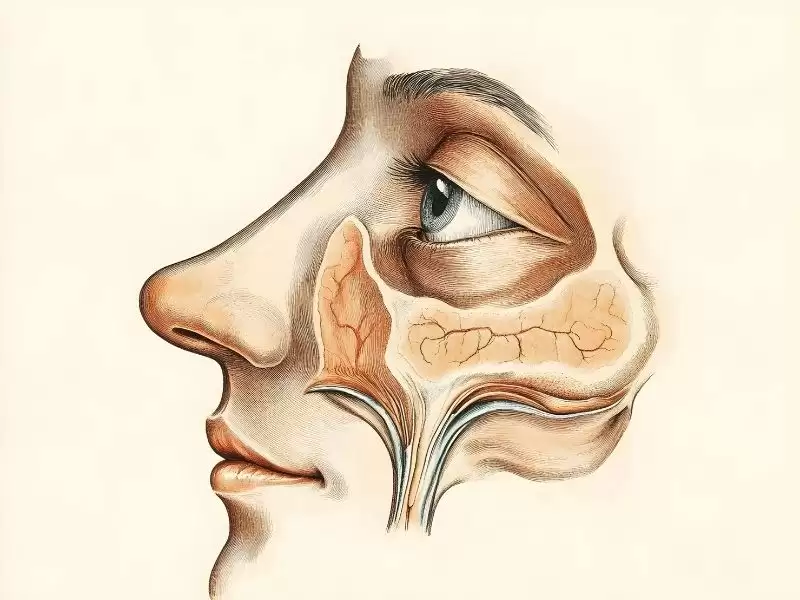
The nose is at the center of facial expressions. Specifically:
- The nose tip
- The nostrils
- The relationship between the upper lip and nose
It moves actively during smiling, speaking, and crying.
In a healthy and natural nose:
- When smiling, the nose tip moves harmoniously with the face
- During crying, the nose expression does not become stiff
- Facial expressions are not exaggerated or artificial
If rhinoplasty disrupts this natural dynamic, the facial expression changes.
Reasons for Disrupted Facial Expressions in Rhinoplasty
The loss of facial expressions generally does not come from rhinoplasty itself but from incorrect surgical approaches.
Over-Hardening of the Nose Tip
The nose tip may lose its mobility due to:
- Excessive support
- Excessive cartilage suturing
Excessive Reduction and Tension
When the nose is:
- Excessively reduced
- Skin is overly stretched
It suppresses facial expressions.
Ignoring the Nose’s Anatomy During Planning
If the nose is planned without considering:
- The upper lip
- The smile muscles
- The facial dynamics
The result may be stiff.
How Are Facial Expressions Preserved in Modern Rhinoplasty?
The Dynamic Nose Approach
Modern rhinoplasty:
Aims for a nose that moves with the face.
The nose should look natural not only at rest but also while moving.
Balanced Use of Nose Tip Support
The nose tip:
- Should neither be left unsupported (risk of drooping)
- Nor over-hardened (loss of facial expression)
The goal is to create a stable yet flexible nose tip.
This balance is the key to preserving facial expressions.

Preservation of Facial Muscles
During rhinoplasty:
- The connections between the upper lip and nose muscles
- Are not unnecessarily cut
- Natural anatomical relationships are preserved
As a result:
- The smile remains natural
- The facial expression during speech does not change
Avoiding an Overly Lifted or Over-Hard Nose Tip
An overly lifted nose tip can:
- Create an artificial look when smiling
An overly hard nose tip can:
- Lead to a “mask-like” appearance
In Natural Rhinoplasty, the goal is:
- Soft transitions
- Balanced angles
- Natural mobility
Why Should the Nose “Smile” When Smiling?
The human face is a whole. During a smile:
- The upper lip moves upward
- The nose tip and wings adjust to this
If the nose does not accompany this movement:
- The facial expression appears mismatched
- A “surgical” perception occurs
After successful rhinoplasty, the nose should:
- Not suppress the smile
- Smile with the face
Naturalness When Crying or Speaking
During crying, speaking, and using facial expressions:
- The nostrils move slightly
- The nose tip follows the expression
After a rhinoplasty that preserves facial expressions:
- The facial expression remains unchanged
- The person continues to look “like themselves”
This is the quiet but strongest sign of aesthetic success.
When Do Facial Expressions Fully Return?
In the early post-surgery period:
- Swelling
- Stiffness
- Temporary tension
Can limit facial expressions.
Generally:
- Facial movements increase in the first 4–6 weeks
- From the 3rd month onward, facial expressions become natural
- The final feeling and movement harmony completes within 6–12 months
This process may take longer in patients with thick skin.
Does Preserving Facial Expressions Reduce Revision Risks?
Yes.
Rhinoplasties that disrupt facial expressions often lead to:
- Aesthetic dissatisfaction
- The feeling that “my face has changed”
- Requests for revisions
In rhinoplasties planned individually and dynamically:
- Long-term satisfaction is higher
- The need for revision decreases
What is Natural Rhinoplasty?
Natural rhinoplasty is:
- A nose that is not only beautiful but also
- Moves
- Holds expression
- Preserves the character of the person
True naturalness emerges from harmony with facial expressions.
Conclusion:
Preserving facial expressions after rhinoplasty is an essential criterion of modern rhinoplasty.
A successful rhinoplasty should:
- Smile when smiling
- Not freeze when crying
- Be in harmony with the face when speaking
- Accompany facial expressions
Rhinoplasty is not about freezing the nose but making the facial expression more balanced and aesthetic. True success is noticed when looking in the mirror, but most of all when smiling.
Yasal Uyarı:
Her cerrahi veya girişimsel işlemde sonuçlar kişiden kişiye değişiklik gösterebilir. İşlem öncesinde hekiminizden detaylı görüş almanız önerilir.