
Revision Rhinoplasty – Most Frequently Asked Questions by International Patients
The most frequently asked questions by international patients choosing Istanbul for revision rhinoplasty include: recovery process, surgical...
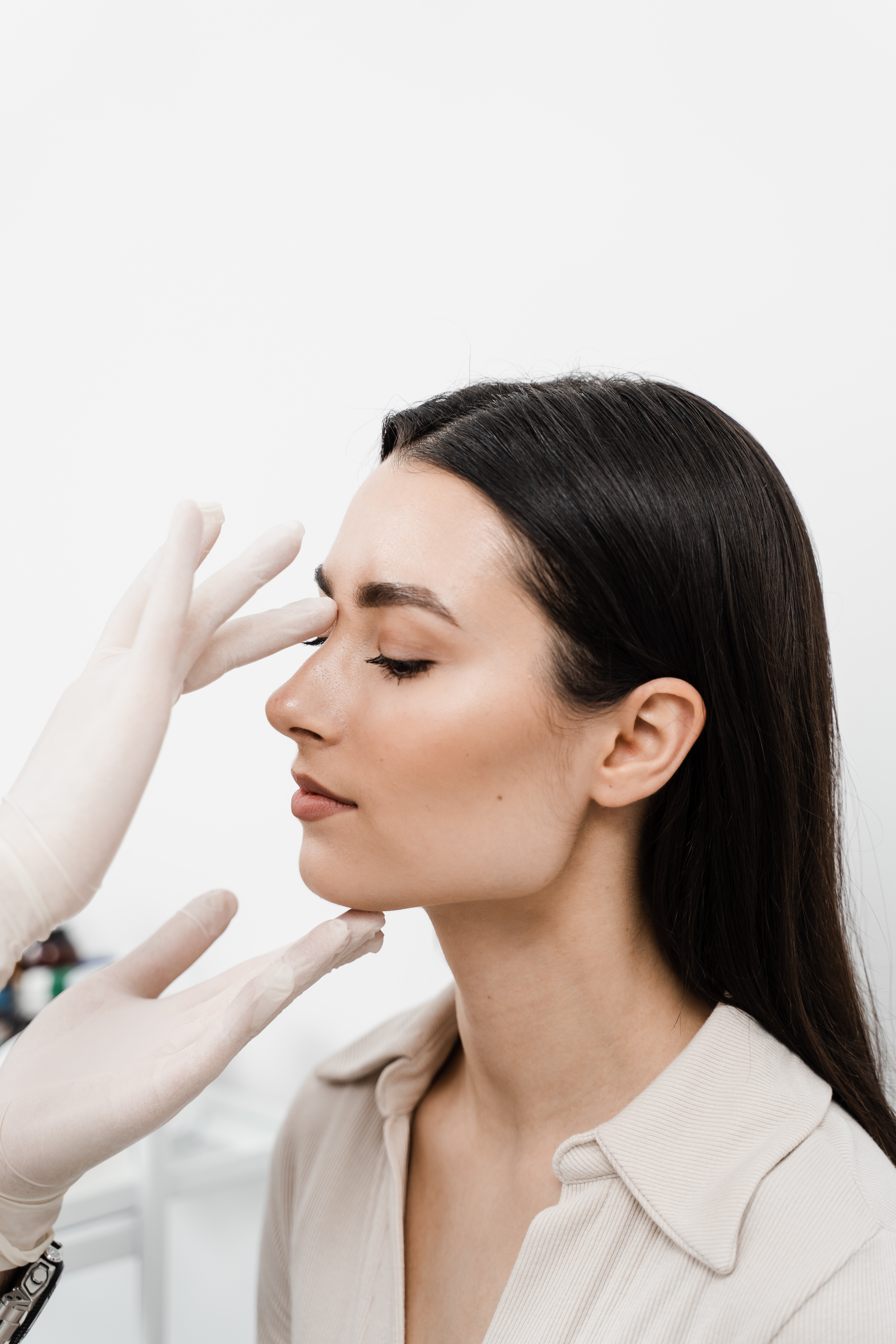
Revision rhinoplasty recovery may vary from person to person depending on the effects of previous nose surgeries, nasal skin structure, cartilage support, scar tissue, and the condition of the nasal airways. Therefore, in revision surgeries, the postoperative follow-up process should be evaluated as carefully as the surgical planning itself.
In revision surgeries, the following points are usually examined in detail:
After this evaluation, the revision rhinoplasty recovery process should be followed individually according to the patient’s nasal structure and the scope of the surgical procedure performed.
Recovery after revision rhinoplasty may vary depending on individual factors and the scope of surgical planning. The most influential factors in this process include:
In patients with thick skin, swelling may take longer to decrease. In patients with thin skin, some nasal contours may become noticeable earlier.
Each patient’s tissue healing capacity is different. Tissues that have undergone previous surgery may sometimes require a longer follow-up period.
Cartilage graft use, nasal tip support, open or closed technique selection, and the extent of the procedure may affect the recovery process.
Scar tissue, cartilage deficiency, or support loss from previous rhinoplasty procedures may require more detailed planning during revision surgery.

In the first days after revision rhinoplasty, swelling, bruising, tenderness around the nose, and a feeling of nasal congestion may occur. The severity of these symptoms may vary depending on the patient, the extent of the procedure, and the individual healing response.
During the first days, keeping the head elevated, using medications recommended by the physician regularly, and avoiding trauma to the nose are important.
Within the first week, follow-up appointments, intranasal cleaning, bandage care, or splint monitoring may be performed according to the physician’s plan. During this period, patients should avoid self-intervention and should not skip follow-up visits.
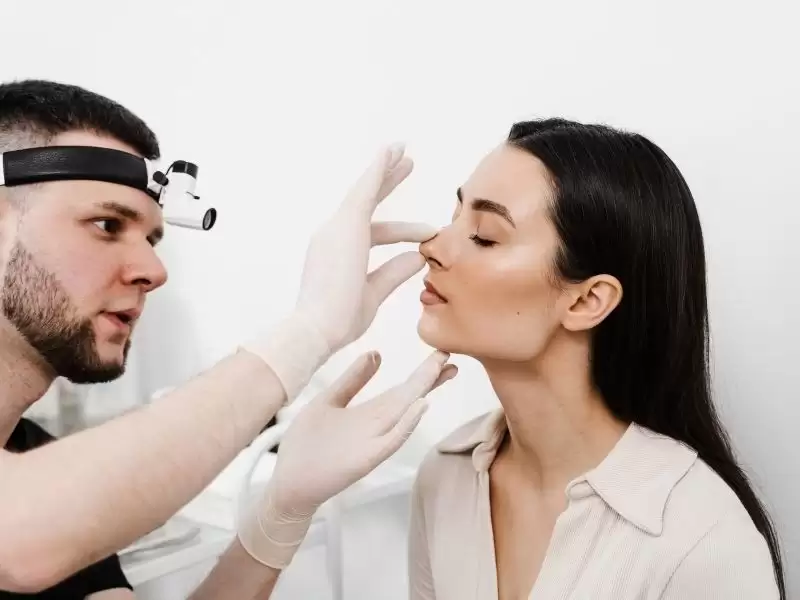
The nasal packing process may vary depending on the surgical procedure performed and the intranasal evaluation. Nasal packing may not be used in every patient, or the duration of packing may differ.
After the nasal packing is removed, intranasal swelling may continue, so breathing may not feel completely normal immediately. During this process, intranasal care and cleaning should be performed according to the physician’s recommendations.
The splint process is arranged according to the physician’s plan to protect the nasal bone and cartilage structures. After the splint is removed, the nasal tissues may still be sensitive, so the nose should be protected from trauma.
During the first month, some of the swelling may decrease; however, nasal tip stiffness, swelling, and tenderness may continue. The time required to return to daily life varies depending on the patient’s recovery and the physician’s recommendations.
Around the third month, the nasal contours may begin to become more noticeable. However, in revision rhinoplasty, especially the nasal tip and cartilage support areas may require longer follow-up.
In revision rhinoplasty surgeries, recovery may take longer than primary rhinoplasty because the tissues have previously undergone surgical intervention. Reduction of swelling, settling of nasal tip support, and definition of nasal contours progress gradually.
In patients where cartilage grafts are used, the nasal tip and support areas should be evaluated through long-term follow-up. Patience and regular physician follow-ups are important when assessing the final appearance.
For patients traveling from abroad, the length of stay after revision rhinoplasty should be determined according to the scope of the surgery, follow-up plan, splint or packing process, and the patient’s early recovery status.
Instead of giving a fixed duration, the patient’s follow-up appointments and the physician’s evaluation should be taken into account. In more complex revision cases where grafts are used, the follow-up process may be planned in greater detail.
Returning to social life after revision rhinoplasty may vary from person to person. The scope of the procedure, swelling and bruising, the patient’s work, daily activity level, and physician recommendations are determining factors in this process.
Bruising and swelling after revision rhinoplasty may vary depending on the patient’s skin structure, vascular sensitivity, the scope of the surgical procedure, and individual healing response.
Bruising may be more noticeable in the early period and gradually decreases over time. Swelling may last longer, especially in the nasal tip area.
The following factors may affect the swelling process:
Nasal tip swelling is usually one of the last areas to decrease. Therefore, regular follow-up and patient monitoring are important throughout the revision rhinoplasty recovery process.
This content is intended for general informational purposes only. It does not replace diagnosis, treatment planning, or personalized surgical evaluation. Recovery after revision rhinoplasty should be followed individually after examination and physician assessment.
Yasal Uyarı:
Her cerrahi veya girişimsel işlemde sonuçlar kişiden kişiye değişiklik gösterebilir. İşlem öncesinde hekiminizden detaylı görüş almanız önerilir.
The most frequently asked questions by international patients choosing Istanbul for revision rhinoplasty include: recovery process, surgical...
Revision rhinoplasty is a second (or third) surgical procedure performed to correct aesthetic or functional issues in patients who have prev...
Evaluation and resolution of nasal tip (NT) length, projection, and rotation have an important role in rhinoplasty operations . Detailed fa...